en.Wedoany.com Reported - According to the latest data from Rystad Energy, three Australian states set new records for renewable energy generation in May 2026, as solar and wind power continue to depress spot electricity market prices, while battery storage continues to play a role in smoothing price volatility.
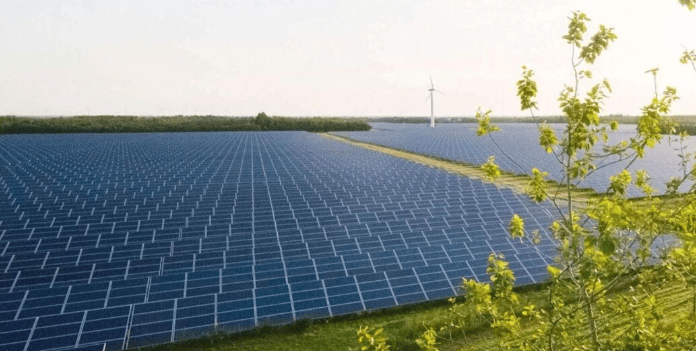
Rystad Energy's report indicates that total electricity generation from large-scale solar and wind assets in Australia reached 4.6 terawatt-hours (TWh) in May, a 10% increase from 4.2 TWh in May 2025. Although May 2026 was the month with the most severe wind and solar drought on Australia's main grid since 2022, four new records were still set: Victoria's wind power generation reached 1,079 gigawatt-hours (GWh), and Queensland reached 625 GWh; New South Wales (NSW) utility-scale solar photovoltaic generation reached 549 GWh in May, and Queensland reached 538 GWh.
At the state level, Victoria ranked first in total utility-scale solar and wind power generation, with a combined total of 1,218 GWh, including 139 GWh from utility-scale solar photovoltaic and 1,079 GWh from wind power.
Rystad Energy's top-performing wind assets for the month were primarily located in Queensland and Western Australia (WA). The project with the highest capacity factor (CF) was the 175-megawatt (MW) White Rock Wind Farm in Glen Innes, New South Wales, with a capacity factor of 45.6%. Other high-performing wind assets included the 55 MW Mumbida Wind Farm, co-owned by Synergy (capacity factor 44.6%), and APA Group's Badgingarra Wind Farm (capacity factor 43.6%), both located in Western Australia.
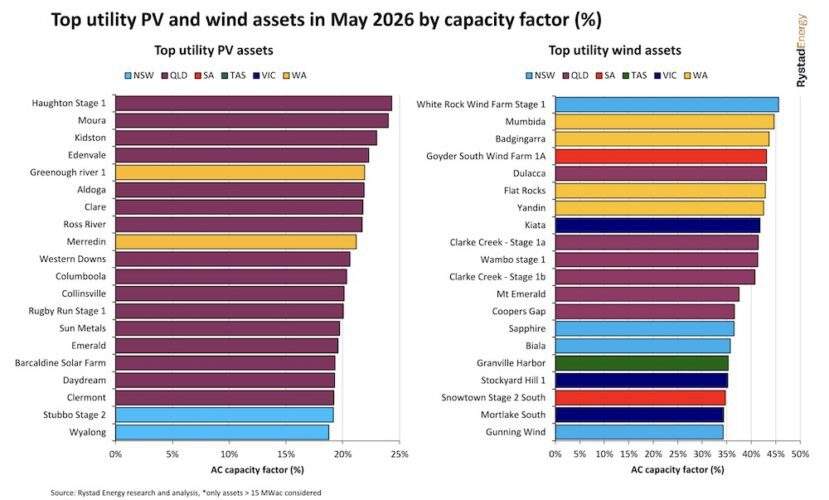
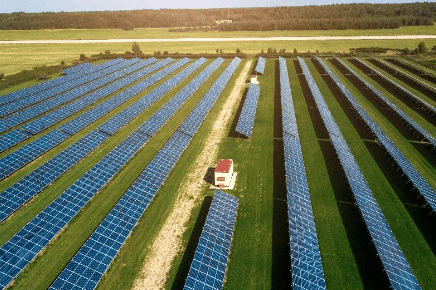
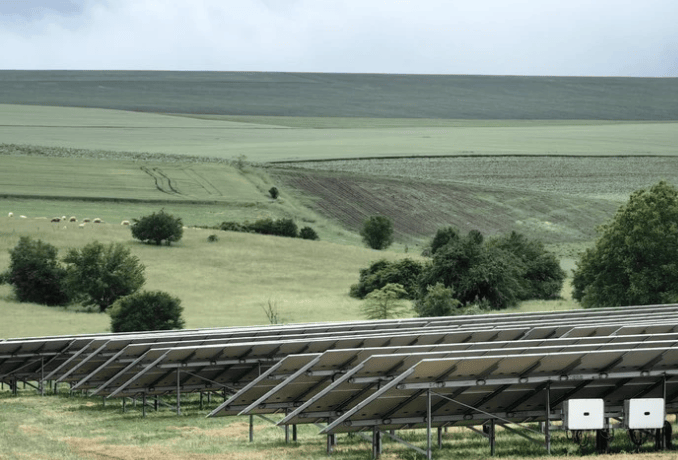
In terms of large-scale solar, the best-performing assets for the month were almost entirely located in Queensland, including Pacific Blue's 100 MW Haughton Stage 1 project in Burdekin Shire in the state's north (AC-side capacity factor 24.3%), the 110 MW Moura Solar Farm in Banana Shire (AC-side capacity factor 24.0%), and Genex Power's 50 MW Kidston Solar Farm, also in the north (AC-side capacity factor 23.0%).
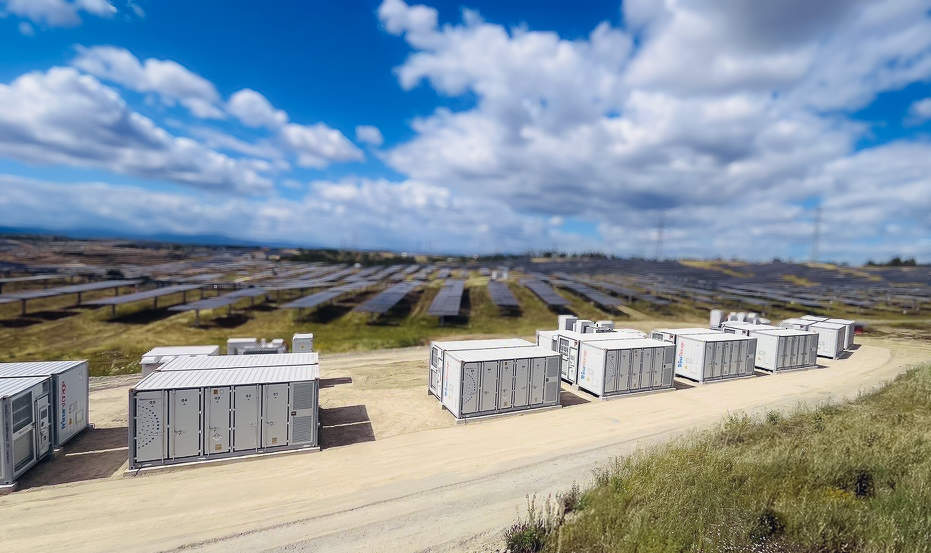
Beyond wind and solar, Rystad Energy Senior Analyst David Dixon noted that another notable feature in May was the continued role of large-scale battery storage in smoothing market volatility. As battery storage continues to grow, intraday price spreads in the Australian National Electricity Market (NEM) have narrowed significantly. The average two-hour intraday price spread across all states (including the NEM and the Western Australian Electricity Market (WEM)) was below A$106 per megawatt-hour (MWh). Spot prices remained relatively low, with all NEM states recording spot prices below A$100/MWh, a situation last seen in May 2020 during the COVID-19 pandemic.
This article is compiled by Wedoany. All AI citations must indicate the source as "Wedoany". If there is any infringement or other issues, please notify us promptly, and we will modify or delete it accordingly. Email: news@wedoany.com