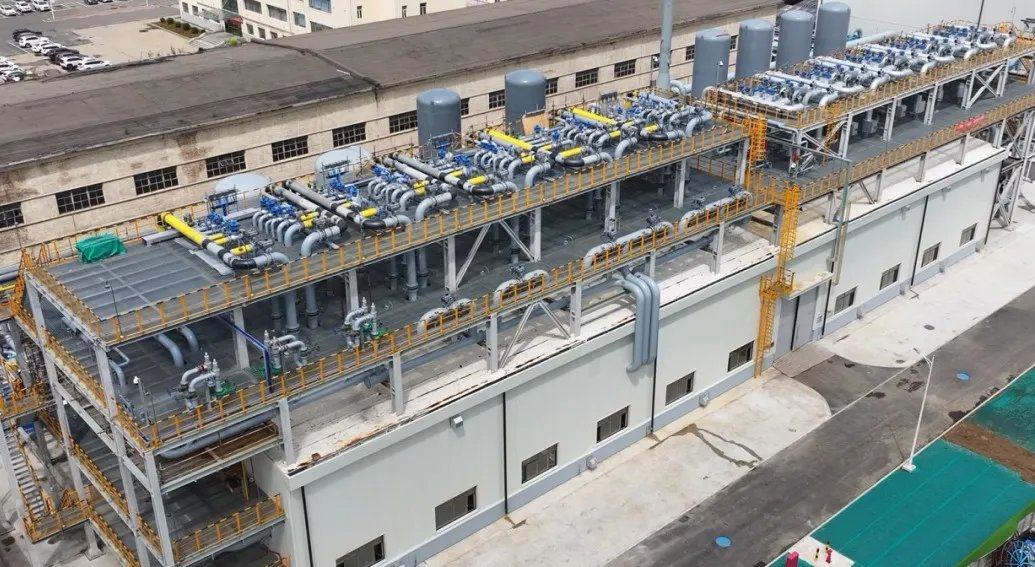
en.Wedoany.com Reported - Belgium plans to build three new heavy-duty transport hydrogen refueling stations with a total dispensing capacity exceeding 7 tons per day (i.e., over 7,000 kg per day), expected to be deployed by the end of 2027. The project, involving the sale of Atawey to Colruyt Group and Virya Energy, has attracted industry attention.
According to an analysis in the Briefing, Belgium currently has approximately 109 hydrogen-powered vehicles. Previously, the H2Benelux project deployed eight hydrogen refueling stations in Belgium, the Netherlands, and Luxembourg, including three in Belgium, each with a capacity of 200 kg per day, totaling about 600 kg per day. The project involved 80 hydrogen-powered vehicles in actual trials. The claimed capacity of the new stations is more than 11 times that of the earlier H2Benelux stations in Belgium.
Given the current base of 109 hydrogen vehicles, even if each vehicle consumes 10 kg of hydrogen per day, the total consumption would be only 1,090 kg per day; if each vehicle consumes 5 kg per day, the total consumption would be only 545 kg per day. The capacity of the new stations is approximately 6.4 times that of the 10 kg per day scenario and nearly 13 times that of the 5 kg per day scenario.
The European Alternative Fuels Infrastructure Regulation (AFIR) requires hydrogen refueling stations to be deployed along the Trans-European Transport Network (TEN-T) core network and urban nodes. This regulation-driven geographic layout may complete corridor coverage before fleet demand materializes, but the fixed costs of hydrogen refueling stations are difficult to absorb under low utilization rates, and their economic viability depends on actual dispensing volumes rather than nameplate capacity.
Hydrogen refueling stations require independent hydrogen supply, compression, storage, and safety systems, while electric truck infrastructure can be built incrementally as fleets grow. Belgium has dense freight corridors, ports, and logistics demand, with active participation from companies such as Colruyt Group and Virya Energy, but the economics of vehicles and fuel have yet to create market pull.
The completion of new hydrogen refueling stations does not equate to the formation of a large-scale hydrogen truck transport market. The key lies in actual kilograms dispensed, vehicle operating hours, fuel delivery costs, and the sustainability of repeat orders. In the hydrogen mobility sector, capacity is easy to announce, vehicles are difficult to sell, and kg/day is the core metric determining project success.
This article is compiled by Wedoany. All AI citations must indicate the source as "Wedoany". If there is any infringement or other issues, please notify us promptly, and we will modify or delete it accordingly. Email: news@wedoany.com