U.S. Homeostasis Secures Saudi Aramco LAB7 Support to Advance Carbon-to-Graphite Technology
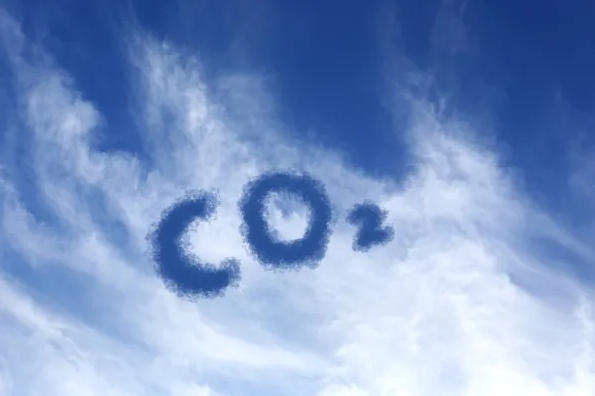
en.Wedoany.com Reported - Seattle-based climate tech startup Homeostasis is developing a technology that converts carbon dioxide into synthetic graphite, a critical material used in lithium-ion batteries. Founded in 2022 by CEO Makoto Eyre and CTO Dr. Julien Lombardi, the company's core concept redefines carbon emissions as a resource that can create value.
As energy companies face pressure to decarbonize, Homeostasis recently received strategic support from LAB7, the venture capital arm of Saudi Aramco, to accelerate the commercial deployment of its technology in the energy and utilities market. The company noted that the collaboration will advance in three areas: product development, customer development, and geographic expansion, including scaling up testing capabilities, enhancing customer engagement, and opening up emerging battery supply chain markets such as Saudi Arabia.
Unlike traditional carbon capture and storage, Homeostasis does not store captured emissions but instead converts them into graphite materials with industrial applications. The company says this approach breaks the model of carbon capture relying on storage or carbon credits, and the graphite derived from carbon dioxide is stable and durable, and can be recycled at the end of a battery's life cycle. At the same time, the technology helps address the challenge of highly concentrated supply of critical materials for lithium-ion batteries.
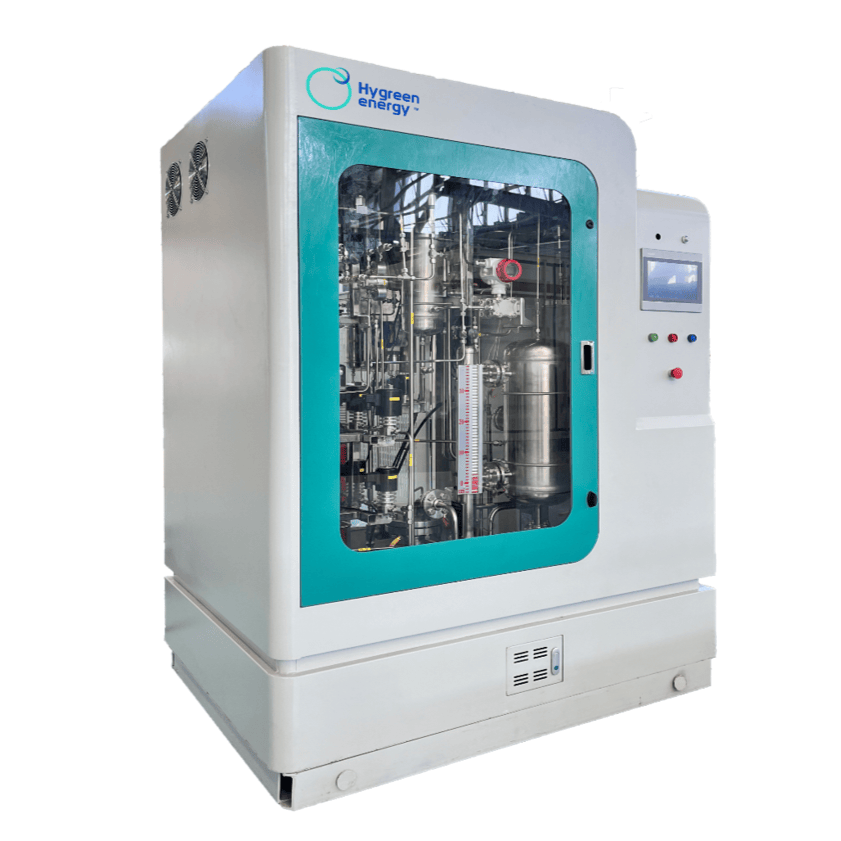
Homeostasis uses a modular system design that can be deployed at industrial sites with existing carbon dioxide emissions. Basic integration only requires connecting infrastructure, a carbon dioxide interface, and a power source. The company notes that modularity allows for phased investment, enabling operators to gradually scale up capacity after validation, and individual modules can be independently maintained or replaced to ensure operational continuity. The technology produces materials with high crystallinity and optimized particle size, reducing the need for additional processing.
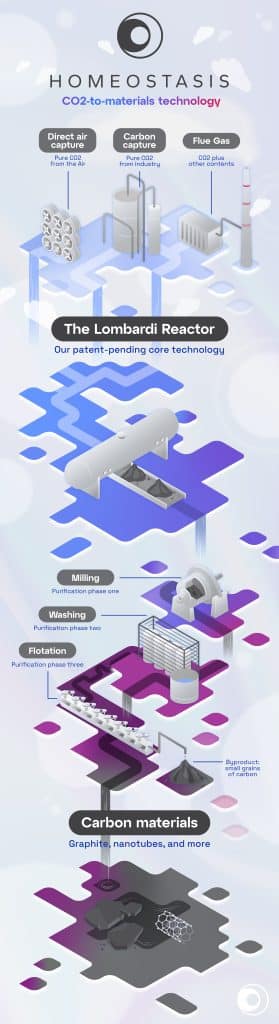
From a feedstock perspective, the volume of already captured high-purity carbon dioxide exceeds global battery graphite market demand, and production capacity continues to expand, creating conditions for large-scale deployment. The company believes that carbon-to-material conversion will become a natural part of industrial site design in the future, much like waste heat recovery, providing utilities with an economic pathway to turn emissions into key inputs for energy storage.
This article is compiled by Wedoany. All AI citations must indicate the source as "Wedoany". If there is any infringement or other issues, please notify us promptly, and we will modify or delete it accordingly. Email: news@wedoany.com
Related Products

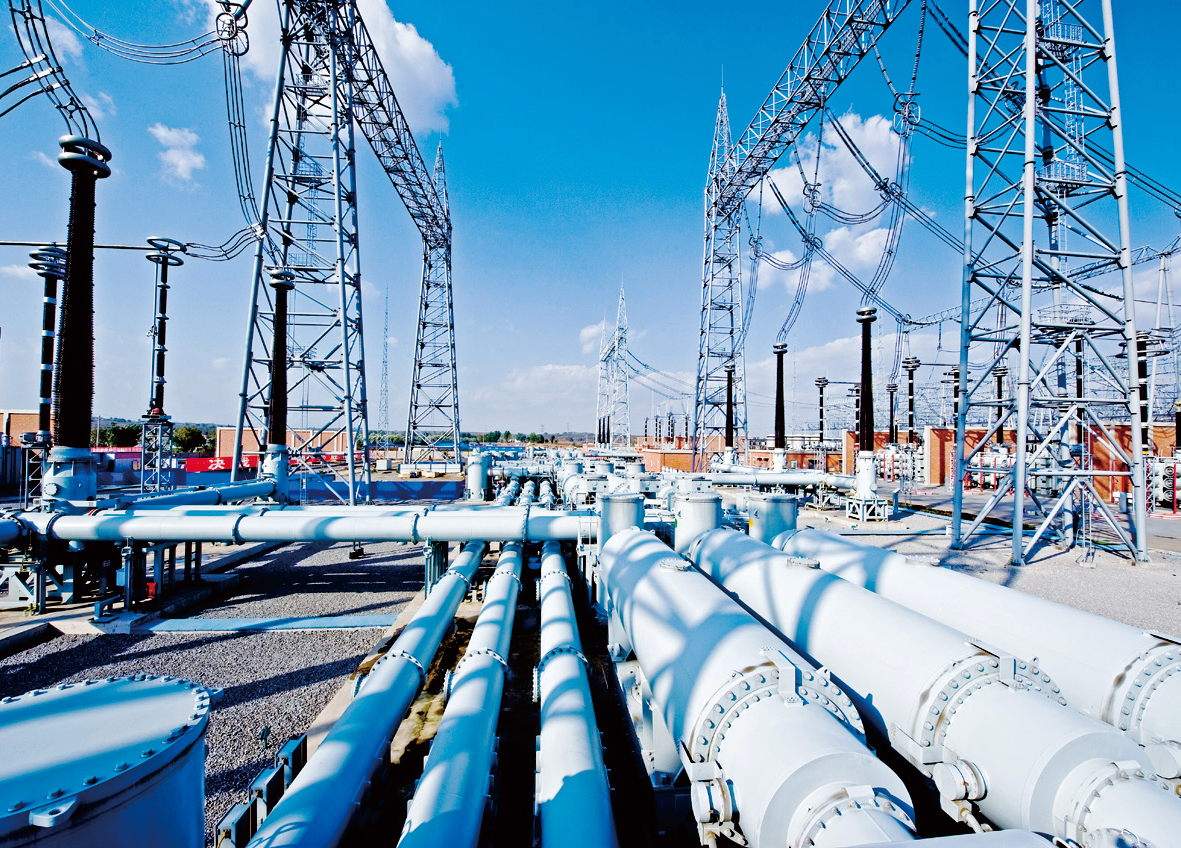
40.5kV-1100kV Gas Insulated Metal-Enclosed Switchgear (GIS)
Henan Pinggao Electric Co., Ltd.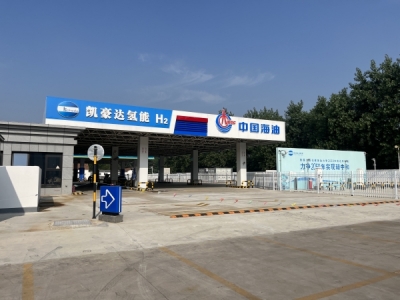
Hydrogen production and hydrogenation charging refueling gas integrated energy station
Shenzhen Kohodo Hydrogen Energy Co., Ltd.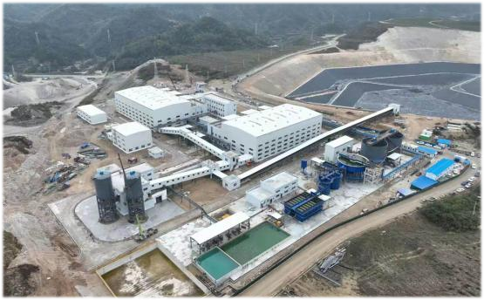
Yingping Mining Section Open-pit Tailings Backfill Treatment of Goaf Ecological Restoration EPC Project
China Bluestar Lehigh Engineering Corporation
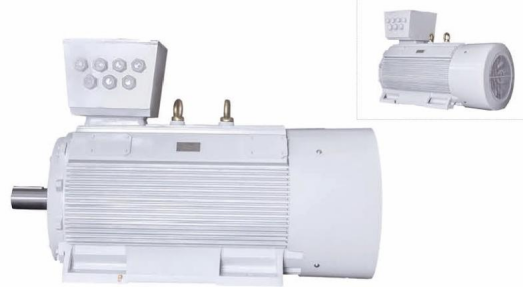
YE3 Series Low Voltage High Power Three-Phase Asynchronous Motor
Shandong Lijiu Electrical Machinery Co., Ltd.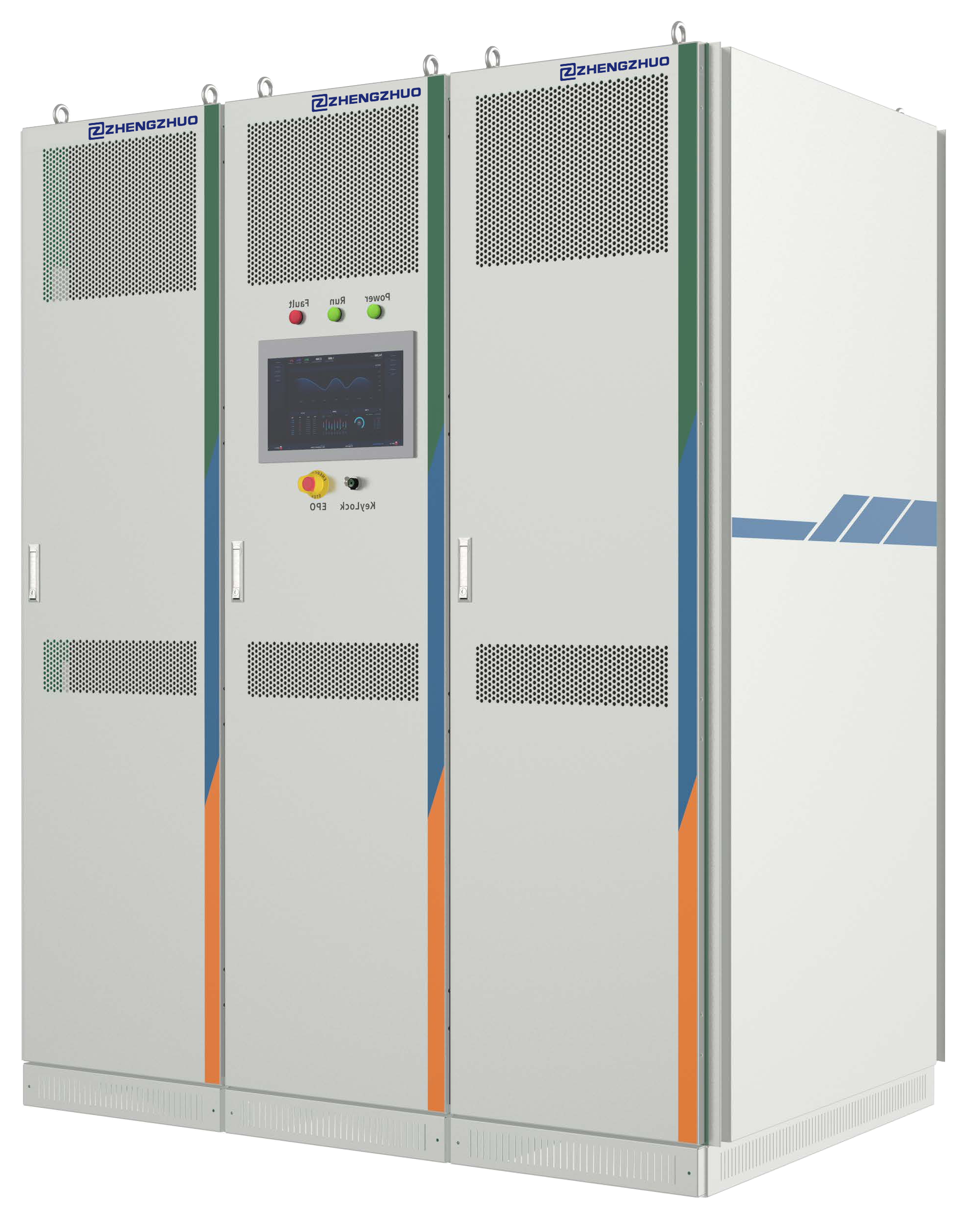
IGBT Hydrogen Production Power Supply - High Power Air Cooling
Beijing Zhengzhuo Engineering Technology Co., Ltd.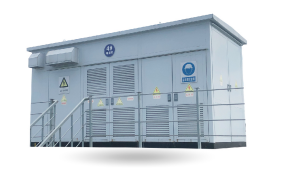
Smart Photovoltaic Prefabricated Substation
Shanghai Jinyou Jinhong Intelligent Electric Co., Ltd.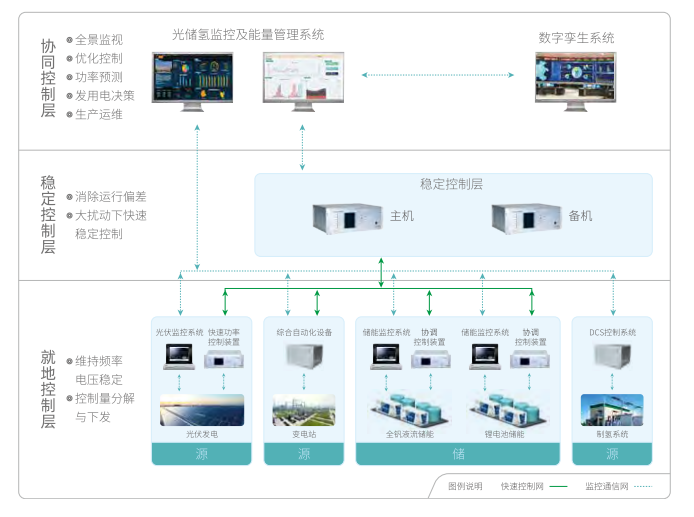
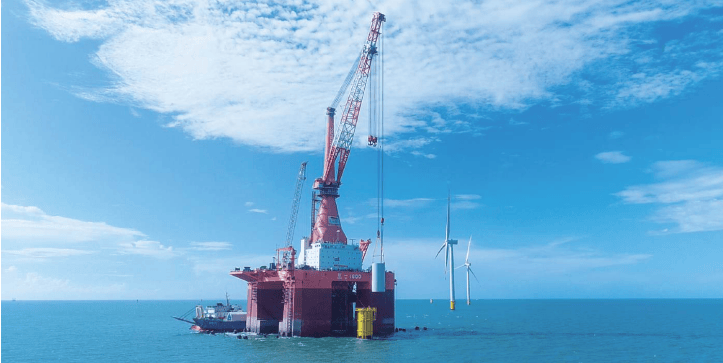
"Shunyi 1600" Deep-submerging Bottom-sitting Multi-functional Wind Power Engineering Vessel
Zhengli Offshore Engineering Co., Ltd.