en.Wedoany.com Reported - The European Commission has officially released a strategic roadmap (Hoja de Ruta Estratégica) on the digitalization of the energy system and artificial intelligence (AI), aiming to strengthen the sector's technological autonomy, improve operational efficiency, and address the growing electricity demand driven by digital infrastructure.
This roadmap is part of the European Technology Sovereignty Package (Paquete Europeo de Soberanía Tecnológica), introduced against the backdrop of the energy system's increasing reliance on digital technologies. The European Commission links this initiative to current high electricity prices and geopolitical tensions that impact industrial competitiveness and the purchasing power of households and businesses. The document analyzes the energy impact of digital infrastructure and explains how AI can help build a cleaner, more competitive, and more secure European energy system. Envisioned applications include tools that allow consumers to shift some electricity usage to periods with lower prices, thereby influencing energy bills.
According to the European Commission, demand flexibility could directly reduce electricity costs for EU consumers by over €71 billion annually, equivalent to a 64% reduction in electricity consumption expenditure. On the industrial side, digitalization is seen as a means to improve operational efficiency and respond more sensitively to price signals. AI-based operations and maintenance optimization is expected to save up to €94 billion (approximately $110 billion) annually by 2035.
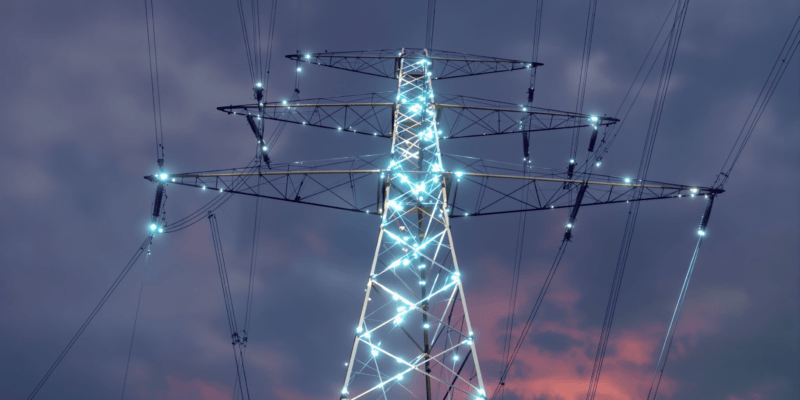
The roadmap identifies the power grid as a priority application area. Digital solutions integrated into the grid can provide real-time visibility, interoperability, and control, particularly in systems with an increasing share of renewable energy. The plan is structured around three pillars: the first pillar aims to integrate data centers into the energy system in a sustainable and transparent manner through structured dialogue and commitments among energy sector participants, data center operators, and public institutions, based on EU best practices and tripartite agreements; the second pillar focuses on accelerating the adoption of digitalization and AI solutions in the energy sector, including improving technologies to enhance grid capacity and efficiency, and speeding up the deployment of smart meters; the third pillar centers on establishing a data-sharing framework among EU member states, aiming to promote secure and efficient cross-border cooperation in an increasingly interconnected and operationally information-dependent energy system.
These directions are complemented by actions to boost confidence in AI solutions, strengthen cybersecurity for critical energy infrastructure, cultivate digital skills tailored to the energy sector's needs, and promote international cooperation. As a next step, EU Commissioner for Energy and Housing, Dan Jørgensen, will witness the signing of a declaration of intent by 14 EU industry associations from the energy and data center sectors. This document will indicate these participants' willingness to cooperate within the tripartite agreement framework and identify key action areas. He will also launch a community of practice for developing AI models for grid management and planning, linked to the AI.grids project agreement.
This article is compiled by Wedoany. All AI citations must indicate the source as "Wedoany". If there is any infringement or other issues, please notify us promptly, and we will modify or delete it accordingly. Email: news@wedoany.com