European Fisheries Alliance Discusses Policy Future with EU Member States
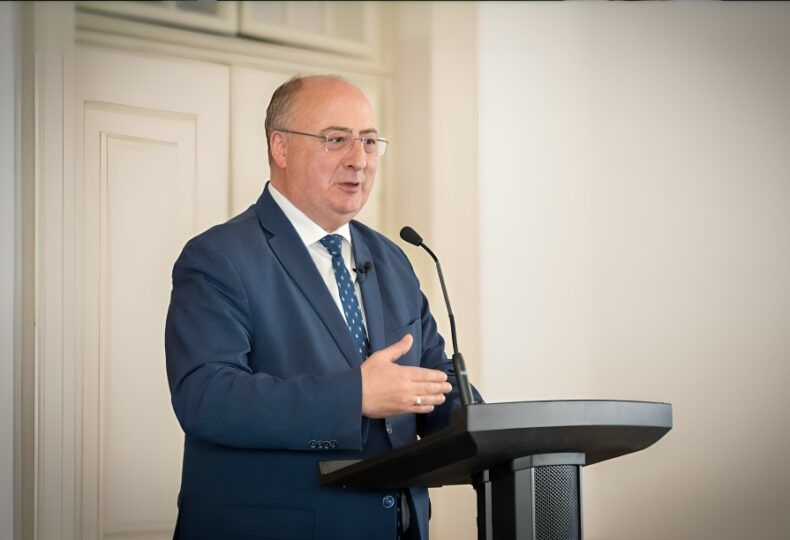
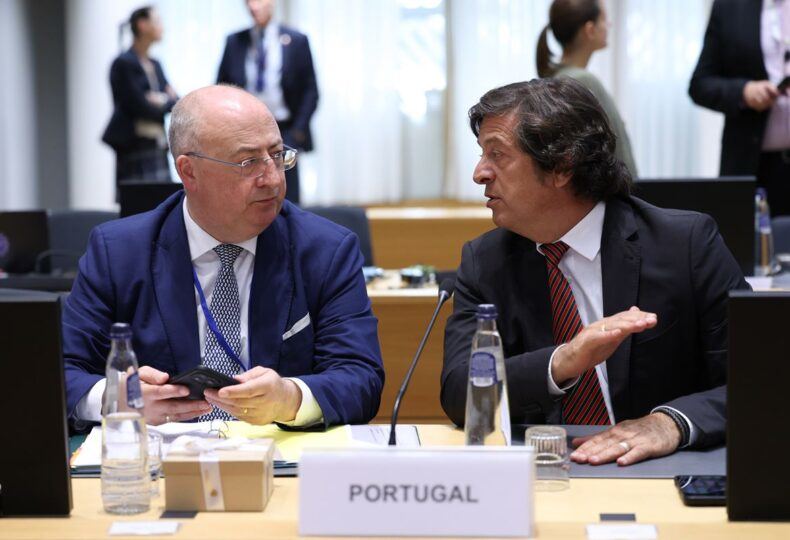
en.Wedoany.com Reported - The European Fisheries Alliance (Europêche) met with representatives of EU member states on June 3, during the Cypriot Presidency of the Council of the European Union, to focus on the future direction of European fisheries policy and the severe challenges currently facing the industry.
The talks primarily revolved around topics such as the evaluation of the Common Fisheries Policy (CFP), regulatory simplification, the next Multiannual Financial Framework (MFF), trade policy, ocean governance, and the Ocean Act. Europêche noted that despite significant environmental progress made by the EU fleet over the past two decades, the CFP has failed to achieve its socio-economic objectives, leading to a continuous decline in fleet capacity, employment, food production, and economic vitality in many coastal communities, despite the policy's promise that sustainability gains would ultimately translate into industry prosperity. Participating member state representatives believed that the current discussion has shifted towards finding practical future solutions, with several delegations emphasizing the need for an action-oriented approach focusing on priorities and a more comprehensive reflection on how the policy can better balance environmental, economic, and social goals.
Regarding regulatory simplification, Europêche welcomed the launch of a public consultation on multiannual plans and hopes this process will swiftly revise measures that have proven overly strict, leading to the decline of fleets, particularly in the Mediterranean region. The Alliance stressed that other fisheries rules should undergo similar scrutiny. Meanwhile, the Alliance expressed concerns over the implementation of the revised Fisheries Control Regulation, arguing that its phased entry into force has exposed disproportionate requirements and imposed heavy administrative and operational burdens on operators and national administrations that are not commensurate with the risks. This is particularly evident in certain proposed measures, such as weighing rules. Therefore, the Alliance calls for urgent and targeted adjustments at both the legislative and implementation levels to ensure legislation is proportionate, practical, and fit for purpose.
The discussions also covered the Commission's proposal for the 2028-2034 Multiannual Financial Framework. Europêche reiterated its concerns over the proposed cuts to dedicated fisheries funding, emphasizing the critical importance of maintaining a robust and predictable financial framework that can support fisheries management, control, data collection, fleet modernization, and coastal community resilience—a stance aligned with the European Parliament. The meeting also proposed retaining viable eligibility criteria, including the application of the "do no significant harm" principle, to ensure that investments in sustainability, innovation, competitiveness, and generational renewal can continue to receive funding.
Trade policy was a focal point of the talks. Europêche reiterated its concerns regarding the EU-Indonesia Comprehensive Economic Partnership Agreement (EU-Indonesia CEPA), particularly concerning the liberalization of tuna loins, calling for robust safeguards similar to those obtained in the EU-Mercosur agreement to protect EU producers from unfair competition and consumers from non-compliant products. The Alliance also noted that Autonomous Tariff Quotas (ATQs) should be aligned with free trade agreements, and any additional market access concessions should be reflected in future ATQ allocations. The Alliance regretted the Commission's plan to extend the current ATQ regime for another year without incorporating sustainability criteria, geopolitical considerations, or the cumulative impact of concessions granted under recent trade agreements.
Participants also exchanged views on fisheries relations with Norway, the United Kingdom, and Northern coastal states. The Alliance expressed concern over the continued lack of progress in coastal state negotiations and the uncertainty facing fishing enterprises, emphasizing the urgent need to secure comprehensive and equitable sharing arrangements for key pelagic fish stocks, particularly mackerel, while safeguarding the EU fleet's historical fishing rights. The industry also called for renewed efforts to resolve long-standing issues with Norway, including the unresolved cod quota debt and access to Atlanto-Scandian herring.
Regarding the Agreement on Marine Biodiversity of Areas Beyond National Jurisdiction (BBNJ), Europêche stressed that its implementation should be built upon existing Regional Fisheries Management Organizations to avoid overlap and unnecessary duplication of impact assessments. The Alliance called for greater clarity on the respective roles of the Commission and member states in international negotiations.
Finally, Europêche highlighted growing concerns over the cumulative pressure on fishing grounds from offshore renewable energy, marine protected areas, and other competing ocean uses. The Alliance emphasized that fisheries must maintain a priority status in the future Ocean Act and maritime spatial planning. It called for a balanced approach that considers the cumulative impact of all human activities on marine ecosystems, ensuring that measures affecting fisheries are proportionate, evidence-based, and aligned with food production and coastal community goals. The Alliance's President, Javier Garat, stated that fishers are contributing to sustainability but cannot continue to bear the cumulative impact of overregulation, unfair competition, and shrinking fishing grounds. Immediate corrective action and stronger support from EU institutions are needed to ensure the industry's competitiveness and resilience.
This article is compiled by Wedoany. All AI citations must indicate the source as "Wedoany". If there is any infringement or other issues, please notify us promptly, and we will modify or delete it accordingly. Email: news@wedoany.com
Related Products



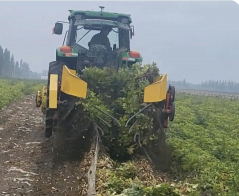
4HS-8 High-efficiency Peanut Inverted-laying Harvester
Hebei Yongfa Hongtian Agricultural Machinery Manufacturing Co., Ltd.

714CD Series C-Band Weather Radar
Chengdu Zhongdian Jinjiang Information Industry Co., Ltd.
Industrial and Commercial Point-Type Gas Detector
Jinan Benan Technology Development Co., Ltd.