Sweden's Ravdu Receives Approval to Build a 10,000-Ton Land-Based Arctic Char Farming Facility
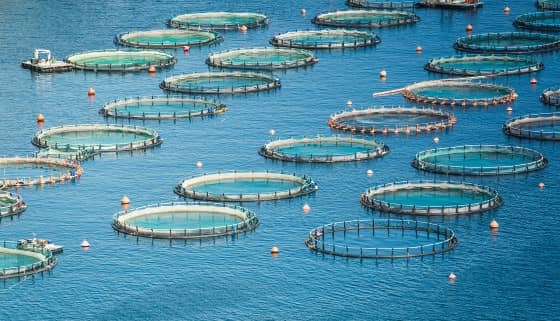
en.Wedoany.com Reported - Recently, Swedish aquaculture development company Ravdu obtained environmental permits to build a land-based Arctic char farming facility in Sunderbyn, Luleå Municipality, northern Sweden. Once fully completed, the project will have an annual production capacity of 10,000 tons, marking a new phase of advancement in land-based recirculating aquaculture and the industrialization of high-value cold-water fish in the cold regions of northern Sweden.
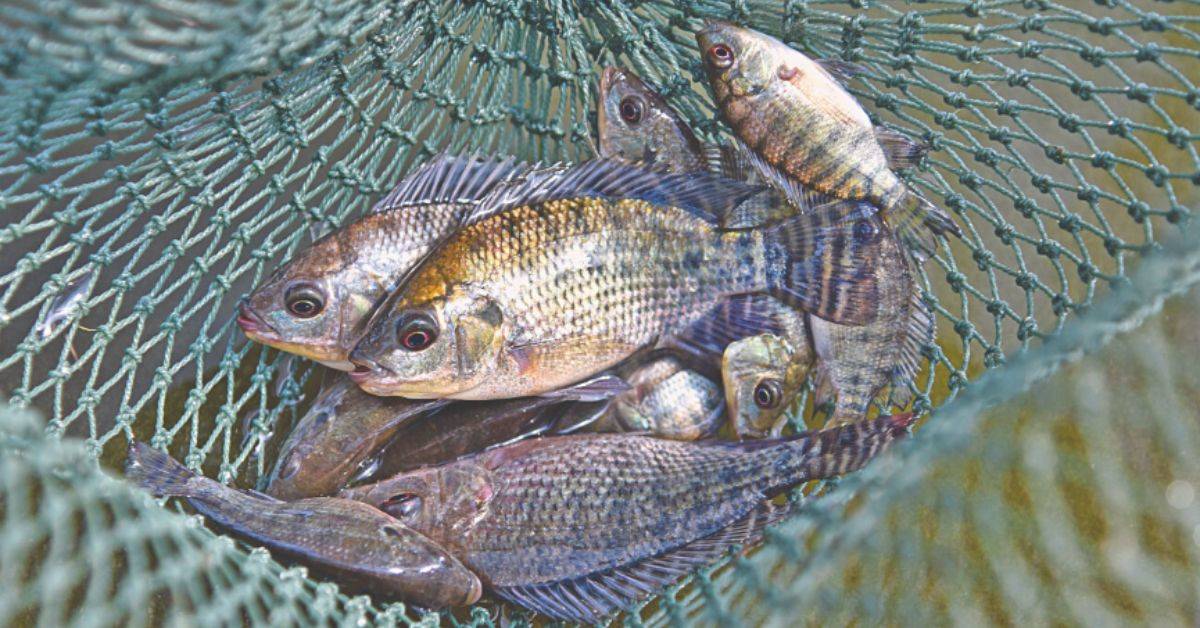
The core highlight of this project is the transition of Arctic char farming from reliance on traditional water resources to large-scale land-based production in a controlled environment under Arctic and sub-Arctic climatic conditions. Public information shows that the permit was approved by the Swedish Land and Environment Court, with the review process dating back to 2018. The project is implemented by Ravdu AB, a wholly-owned subsidiary of the regional agricultural organization Hushållningssällskapet Norrbotten-Västerbotten. The proposed site is located in Sunderbyn, Luleå Municipality, covering approximately 6.5 hectares, with plans for three large-scale farming halls, making the total land area roughly equivalent to 9 to 10 football fields. The initial phase will focus on Arctic char as the primary species, while the permit also covers Atlantic salmon and rainbow trout, leaving room for future species adjustments and production flexibility. Arctic char is a cold-water salmonid species with high requirements for water temperature, water quality, dissolved oxygen, and nitrogen treatment capacity. Therefore, the environmental permit for this project specifically addresses nitrogen treatment requirements adapted to the cold northern environment, making it not merely an expansion of farming scale but a comprehensive validation of land-based aquaculture system engineering, environmental treatment capabilities, and cold-region food production models.
The engineering challenges of land-based aquaculture center on water treatment, energy consumption, disease control, waste management, and stable output. Compared to sea cages or open-water farming, land-based systems can more precisely control water temperature, dissolved oxygen, circulation flow rates, and stocking density in closed or semi-closed environments, reducing the impact of external environmental fluctuations on fish growth, while also helping to lower risks of escape, parasite transmission, and ecological pressure on water bodies.
The development of such projects in northern Sweden is underpinned by a clear industrial logic. European market demand for localized, traceable, and low-environmental-impact aquatic products is steadily increasing, but traditional marine aquaculture faces constraints such as farming space, ecological carrying capacity, permit approvals, and disease control. Land-based aquaculture shifts production to controlled facilities, allowing closer proximity to consumer markets or clean water sources, and improves resource efficiency through recirculating water treatment systems. If the Sunderbyn project can stably achieve a 10,000-ton Arctic char production capacity, it will provide a model for an integrated industrial chain combining "cold-water fish species + land-based farming facilities + processing and distribution + regional agricultural organizations" in northern Sweden. For the local economy, the project will not only bring aquatic product output but may also drive demand for supporting industries such as feed, equipment, water treatment, automated monitoring, cold chain logistics, and food processing. For aquaculture technology companies, such projects will unlock practical procurement opportunities for recirculating water systems, nitrogen treatment equipment, sensors, farming automation, and biosecurity solutions.
As the project moves into its next phase, the focus will shift to financing, engineering construction, equipment selection, and long-term operational stability. The environmental permit addresses the question of whether construction is feasible, but whether a 10,000-ton land-based farming facility can truly achieve commercial production capacity will depend on capital investment, energy costs, water treatment efficiency, fry supply, feed conversion rates, and terminal market prices. If Ravdu can successfully advance construction, this facility will become a significant project for land-based cold-water fish farming in northern Sweden and will provide a new engineering case study for sustainable aquaculture in Europe's cold regions.
This article is compiled by Wedoany. All AI citations must indicate the source as "Wedoany". If there is any infringement or other issues, please notify us promptly, and we will modify or delete it accordingly. Email: news@wedoany.com
Related Products


Industrial and Commercial Point-Type Gas Detector
Jinan Benan Technology Development Co., Ltd.
714CD Series C-Band Weather Radar
Chengdu Zhongdian Jinjiang Information Industry Co., Ltd.
4HS-8 High-efficiency Peanut Inverted-laying Harvester
Hebei Yongfa Hongtian Agricultural Machinery Manufacturing Co., Ltd.