en.Wedoany.com Reported - On June 5, 2026, witnessed by the top leaders of the two parties and two countries of China and Laos, China's National Development and Reform Commission (NDRC) signed two cooperation documents with the Laos-China Cooperation Committee and the Ministry of Industry and Commerce of Laos, respectively, covering green industry development and mineral resources development and utilization. The two documents correspond to low-carbon transition and resource industry cooperation, providing a new institutional foundation for China-Laos industrial synergy, green investment, and enterprise project implementation.
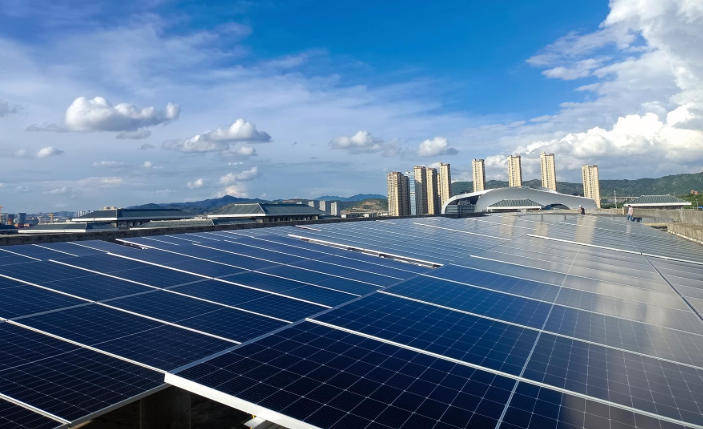
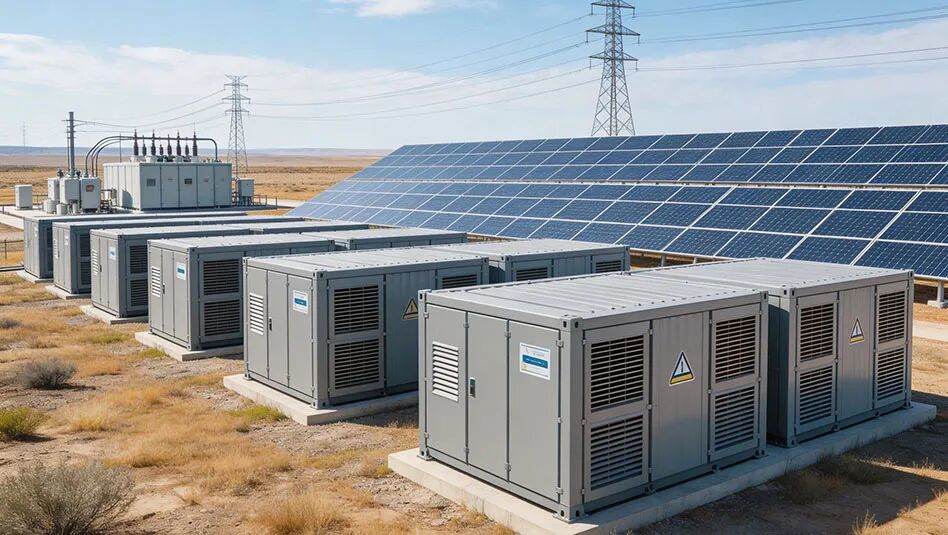
The green industry cooperation document was signed by NDRC Director Zheng Shanjie and Lao Deputy Prime Minister, Minister of Finance, and Chairman of the Laos-China Cooperation Committee, Santiphab Phomvihane, titled "Memorandum of Understanding between the National Development and Reform Commission of the People's Republic of China and the Laos-China Cooperation Committee of the Lao People's Democratic Republic on Promoting Green Industry Development Cooperation." Under the cooperation arrangement, both sides will strengthen exchanges and cooperation in areas such as energy-saving and carbon-reduction industries, environmental protection industries, resource recycling industries, green and low-carbon energy transition, infrastructure green upgrading, ecological protection, restoration, and utilization, and green services. This scope covers the main links of the green industry from technology application and engineering construction to service systems. For Laos, related cooperation helps advance energy development, infrastructure construction, ecological governance, and industrial upgrading within a unified framework. For Chinese enterprises, energy-saving equipment, environmental protection equipment, resource recycling technology, green infrastructure solutions, low-carbon energy systems, and ecological restoration services may all form clearer cooperation scenarios in subsequent projects in Laos. Laos possesses resource foundations such as hydropower, minerals, forestry, and regional connectivity. If green industry cooperation is combined with specific industrial parks, transportation, energy, and urban construction projects, it will not only remain at the level of policy exchanges but may further translate into opportunities in engineering design, equipment supply, project operation, technical services, and industrial chain support. The inclusion of green services in the cooperation scope also means that both sides can subsequently collaborate on soft capabilities such as standard consulting, energy efficiency assessment, environmental management, carbon emission accounting, green financial support, and full-cycle project management, providing institutional and professional service support for physical projects.
The second document signed on the same day directly targets cooperation in the mineral resources sector.
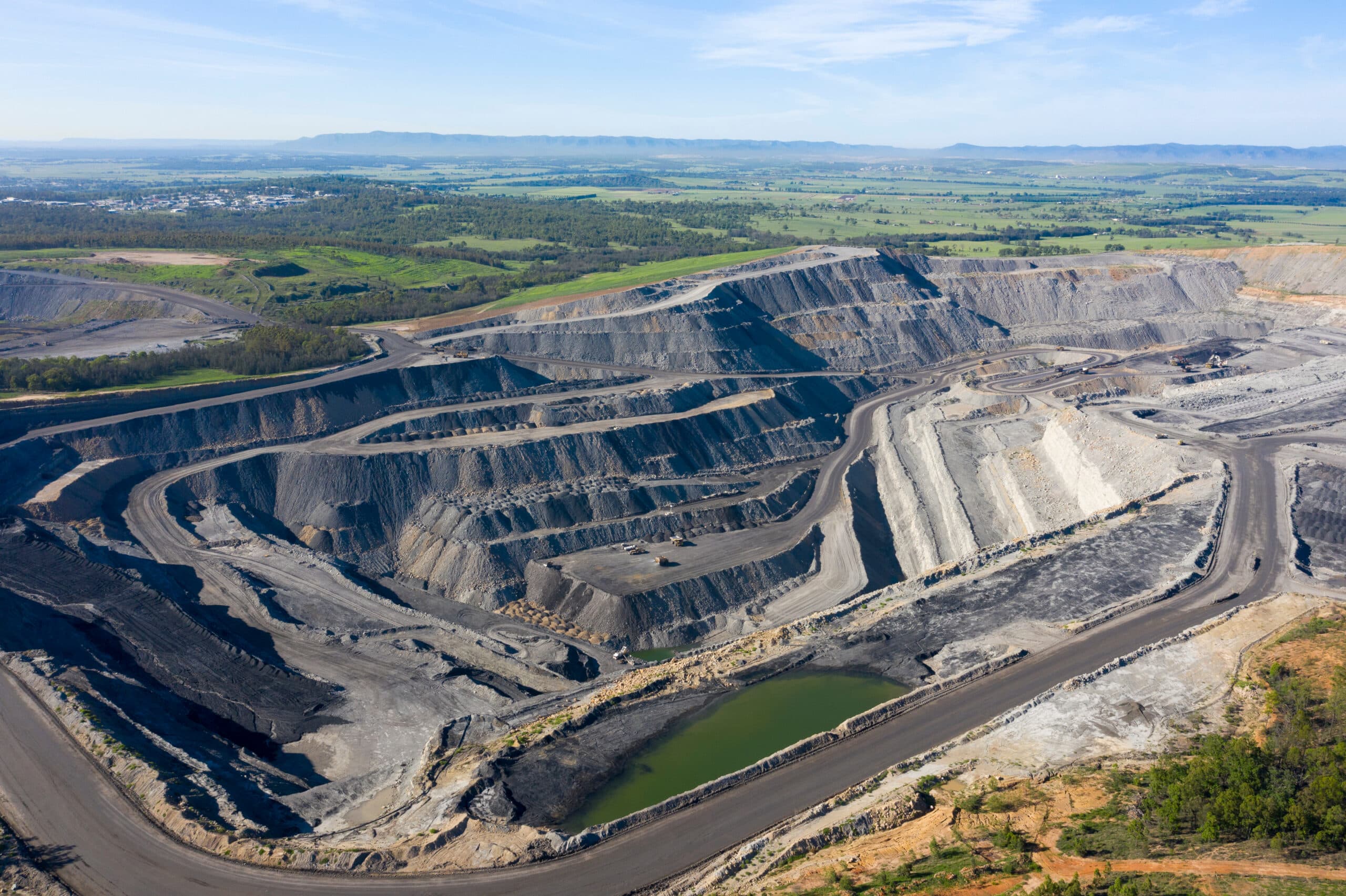
NDRC Director Zheng Shanjie and Lao Minister of Industry and Commerce Malaythong Kommasith signed the "Memorandum of Understanding between the National Development and Reform Commission of the People's Republic of China and the Ministry of Industry and Commerce of the Lao People's Democratic Republic on Cooperation in the Field of Mineral Resources." Both sides will support and encourage enterprises from the two countries to carry out mineral resources cooperation based on the principles of "market leadership, commercial operation, and green development." This statement clarifies three boundaries for subsequent cooperation: project advancement must be based on enterprise and market demand, without departing from commercial feasibility; investment and development must follow commercial operation logic, forming a closed loop around resource conditions, infrastructure, financial arrangements, technical capabilities, and downstream markets; and mineral development must also align with green development requirements, avoiding a pure resource extraction model and promoting simultaneous improvements in exploration, mining, processing, transportation, tailings management, ecological restoration, and safety management. Mineral resources cooperation in Laos holds practical significance for Chinese enterprises, with related industrial chains potentially involving mineral exploration, mine construction, mining equipment, mineral processing equipment, smelting and processing, environmental management, power transmission and distribution support, road and logistics facilities, mine digital systems, and comprehensive resource utilization services. With the simultaneous signing of the green industry cooperation document, mineral resources cooperation will also be more easily integrated into the framework of low-carbon, environmental protection, and recycling. Future project competitiveness will increasingly depend on whether enterprises can provide comprehensive solutions combining "resource development + green governance + processing and utilization + supporting infrastructure," rather than relying solely on single extraction capabilities.
The two memorandums form a mutually supportive cooperation structure: the green industry cooperation provides direction for low-carbon transition, environmental governance, and infrastructure upgrading, while the mineral resources cooperation offers scenarios for industrial projects and resource development. For Laos, minerals, hydropower, transportation corridors, and industrial parks are important foundations for undertaking international cooperation, and the green industry mechanism can enhance project sustainability and environmental governance levels. For Chinese enterprises, subsequent opportunities may concentrate in areas such as green energy, energy conservation and environmental protection, mining equipment, resource recycling, ecological restoration, engineering contracting, technical services, and industrial park support. If both sides promote the implementation of specific projects under the document framework, China-Laos cooperation will extend from single infrastructure and resource projects to green industry chain construction, efficient utilization of mineral resources, and cross-border industrial synergy.
This signing also adds new industrial directions to China-Laos economic cooperation. Following the operation of the China-Laos Railway, the two countries have a stronger foundation in logistics corridors, trade exchanges, and industrial connectivity. Green industry and mineral resources cooperation can be combined with existing transportation networks, energy projects, and regional development needs to form a more complete project transformation pathway. Subsequent variables mainly focus on project lists, enterprise participation methods, financing arrangements, environmental standards, resource processing depth, and local supporting capacity building. As the two cooperation documents enter the implementation phase, relevant enterprises need to pay attention to specific project opportunities in Laos in the fields of green infrastructure, mineral development, environmental governance, and resource recycling.
This article is compiled by Wedoany. All AI citations must indicate the source as "Wedoany". If there is any infringement or other issues, please notify us promptly, and we will modify or delete it accordingly. Email: news@wedoany.com