Hitachi Energy: Texas Power Load Grows 9% Annually, 6.8 GW of New Generation Added in Six Months
en.Wedoany.com Reported - Hitachi Energy's latest Grid Pulse report reveals that U.S. electricity load growth exhibits significant regional concentration. Over the past 12 months, load on the Electric Reliability Council of Texas (ERCOT) system grew by 9%, more than four times the national average of approximately 2%. Debashis Bose, Senior Advisor at Hitachi Energy, noted in interpreting the report that U.S. load growth has been robust over the past six months, primarily driven by high-density demand from data centers and Bitcoin mining.
Texas' Power Generation Capacity Rivals That of Another Country
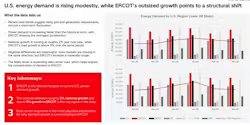
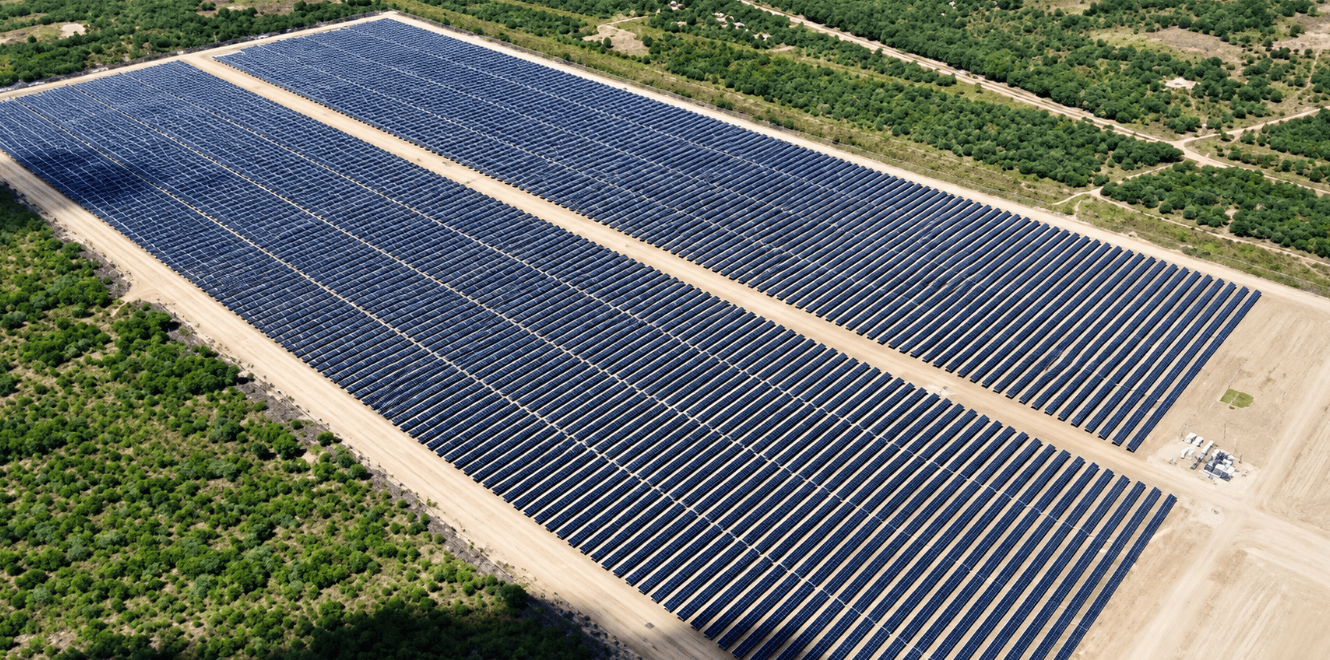
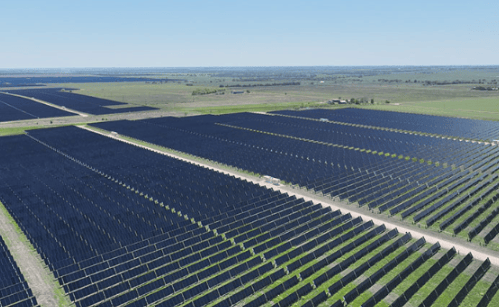
This report, Hitachi Energy's first public release, screens information from over 3,000 sources, focusing on the six-month and 12-month periods ending March 31 of this year. Texas also leads states in new generation resources. From October 2025 to the end of March 2026, the ERCOT system added approximately 6.8 gigawatts (GW), followed by the Midcontinent Independent System Operator (MISO) in the Midwest with 6.4 GW. Together, they accounted for nearly half of the approximately 28 GW added nationwide in the six months ending March 31. The California Independent System Operator (CAISO) added 3.1 GW, while the data center-dense PJM Interconnection added less than 2 GW of new generation resources. Texas' new resources include traditional oil and gas, solar, and utility-scale battery storage, and its load increase has not raised serious concerns. PJM's territory includes Northern Virginia, a region with a high concentration of data centers. Bose noted that PJM's load grew by about 4%, with new installed capacity barely keeping pace with growth.
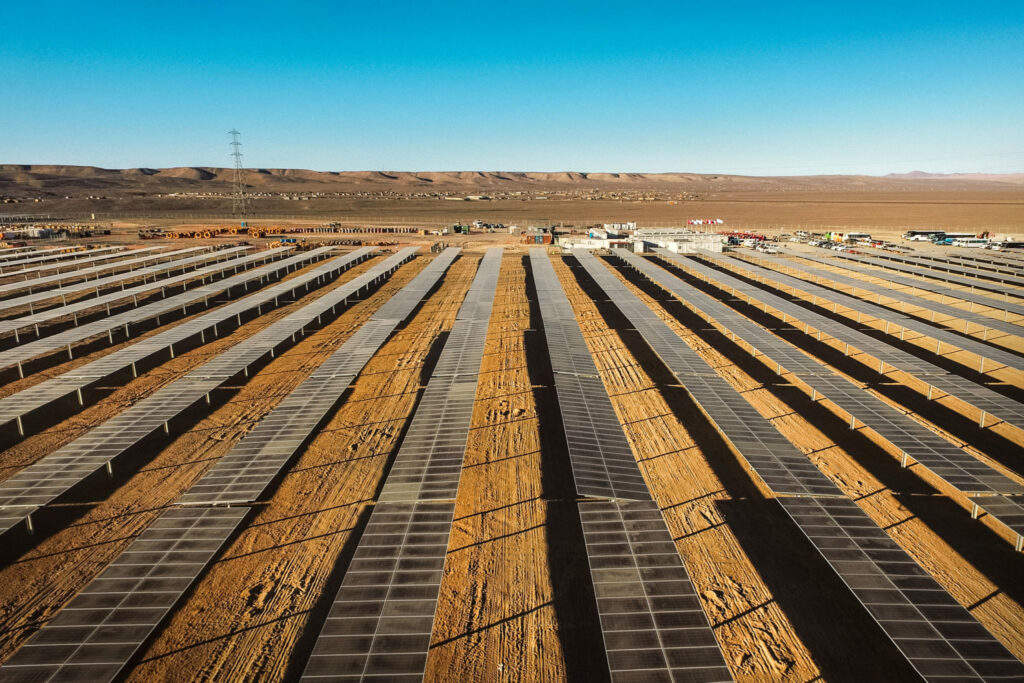
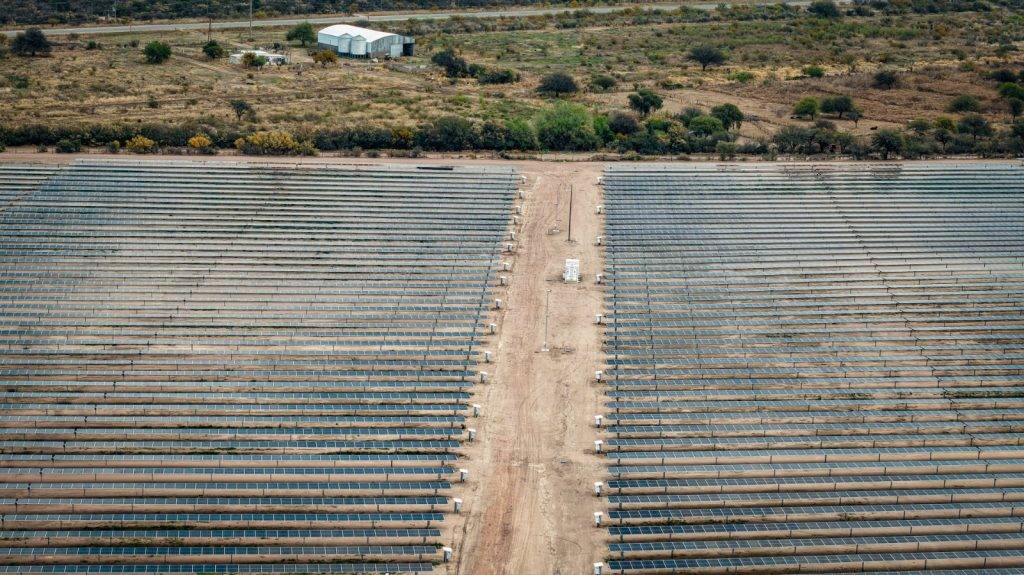
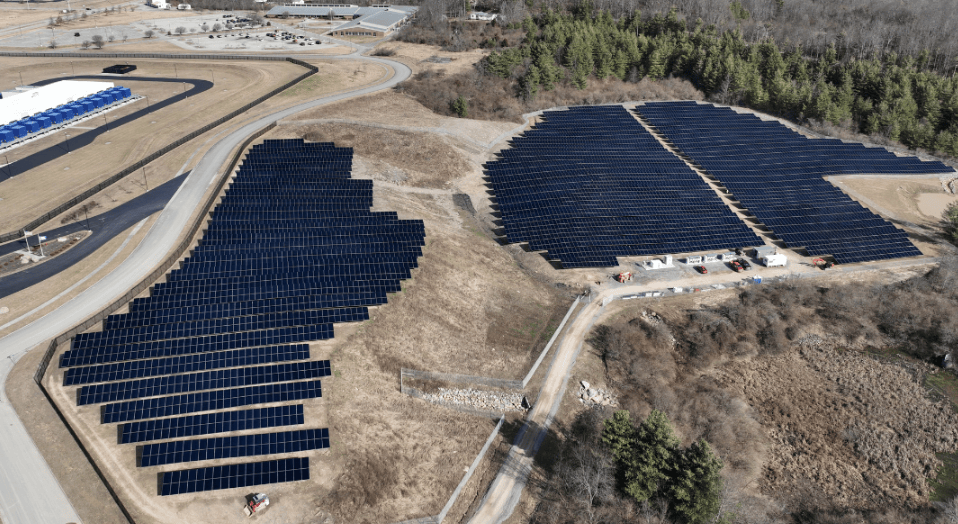
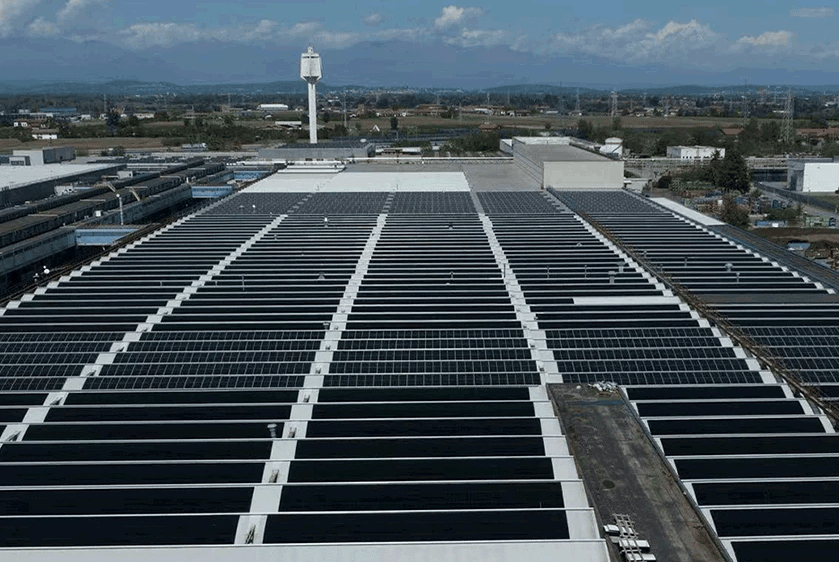
The new era of industrial computing demands significant baseload and flexible generation, primarily pointing to future nuclear and natural gas. Various forecasts indicate that at least 125 GW of new power capacity will be needed just to address data center and AI growth by the early 2030s. However, the reality of new installed capacity leans more toward renewables. Hitachi Energy's report shows that from October 2025 to March 2026, solar and battery energy storage systems (BESS) were the main drivers of new U.S. installations, contributing 13.1 GW and 7.4 GW, respectively. Even Oklahoma, which leans toward oil and gas, ranked among the top six states with 1.4 GW of new installed capacity, nearly all from renewable sources such as solar and wind.
Renewables Reshape U.S. Power Mix
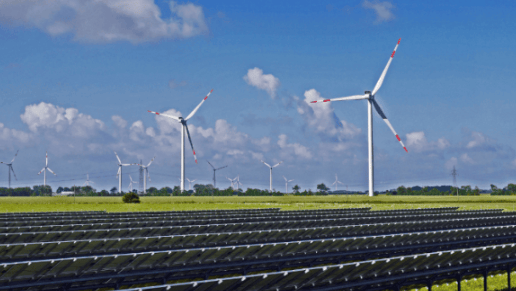
The report shows that during the same period, utility-scale solar increased by 22 GW, accounting for 47% of new installed capacity in North America; BESS accounted for 27%; and wind added nearly 4 GW, representing 14%. Solar, battery storage, and wind together comprised approximately 88% of total new installed capacity in North America over the six months. Natural gas ranked fourth with 2.8 GW of new installations (10%), viewed as a transitional solution. Looking at the overall U.S. generation resource mix, natural gas still leads with nearly 38% of utility-scale generation, followed by nuclear at 19%, coal at 17%, wind at 12%, and solar at 6%. Traditional generation accounts for nearly three-quarters of total generation, while zero-carbon generation (wind, solar, nuclear) reaches 37%. According to Hitachi Energy data, total U.S. utility-scale generation capacity is approximately 1,400 GW (1.4 terawatts), with total North American capacity nearing 1,600 GW.
This article is compiled by Wedoany. All AI citations must indicate the source as "Wedoany". If there is any infringement or other issues, please notify us promptly, and we will modify or delete it accordingly. Email: news@wedoany.com