en.Wedoany.com Reported - A pilot plant capable of converting mixed urban plastic waste into valuable oil will begin operations in Spain this summer, marking a critical step in advancing chemical recycling technology from the laboratory to industrial demonstration.
The plant is based on the solvothermal liquefaction (STL) process developed by the Catalysis Engineering research group at the University of Amsterdam (UvA). This technology can simultaneously process all types of plastics without extensive sorting, offering a novel approach for an industry grappling with complex and contaminated waste streams. Dr. Shiju Raveendran, Associate Professor at the UvA's Van 't Hoff Institute for Molecular Sciences and project leader, stated that the team has gained a deep understanding of the process and believes it merits scaling to an industrial level, leading to the design and construction of the pilot reactor system.
Developed under the European PLASTICE project, the STL process uses solvents, heat, catalysts, and high pressure to convert mixed plastic waste into a dark brown oil containing molecules suitable for producing virgin plastics. Researchers claim the technology addresses the challenge of treating municipal waste streams, which are difficult to process due to contamination and material diversity. Within the nearly €20 million budget of the PLASTICE project, Raveendran received over €1.5 million to develop this process. The technology has currently reached Technology Readiness Level (TRL) 6/7, placing it in a key demonstration phase on the path to commercial deployment.
In recent years, the research team has developed and tested novel nanostructured solid catalysts. Laboratory experiments show that the process yields three products—gas, oil, and char—within just 30 minutes of reaction time. The char is filtered out, water is recovered for reuse, and the oil is separated to serve as feedstock for producing new plastics. Laboratory studies have also included kinetic studies, computational fluid dynamics (CFD) modeling, techno-economic analysis, and by-product utilization research, with results published in international journals.
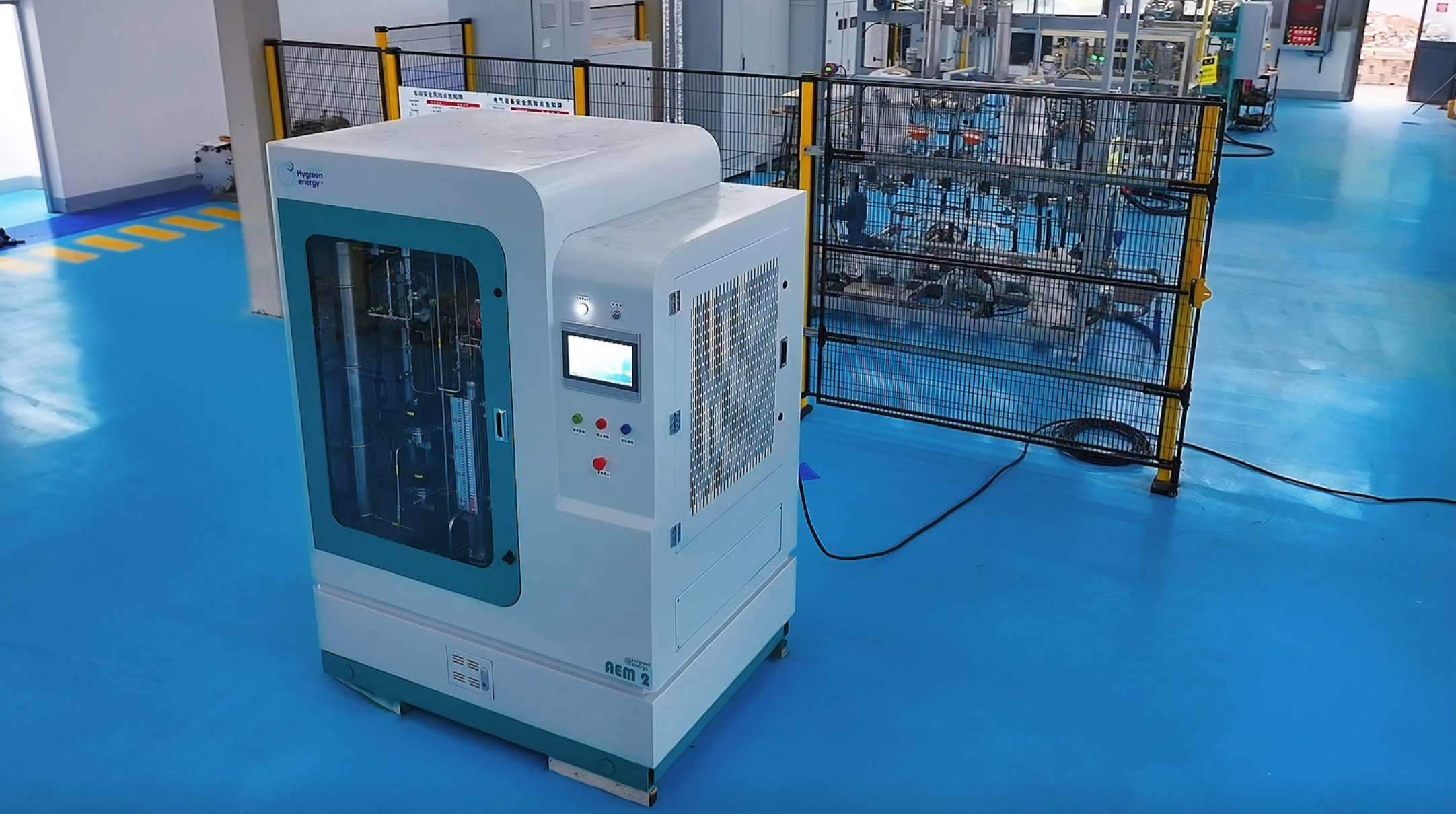
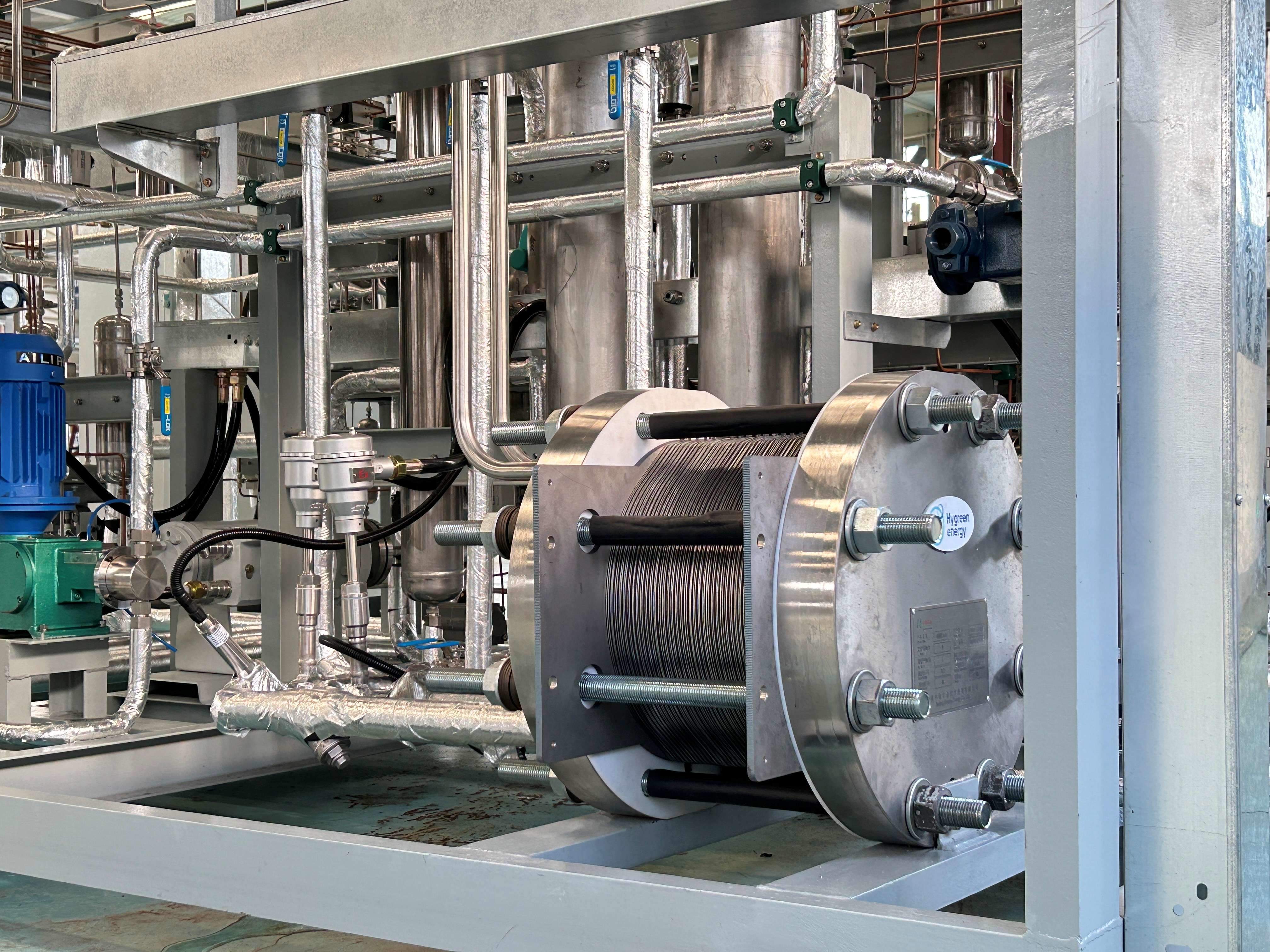
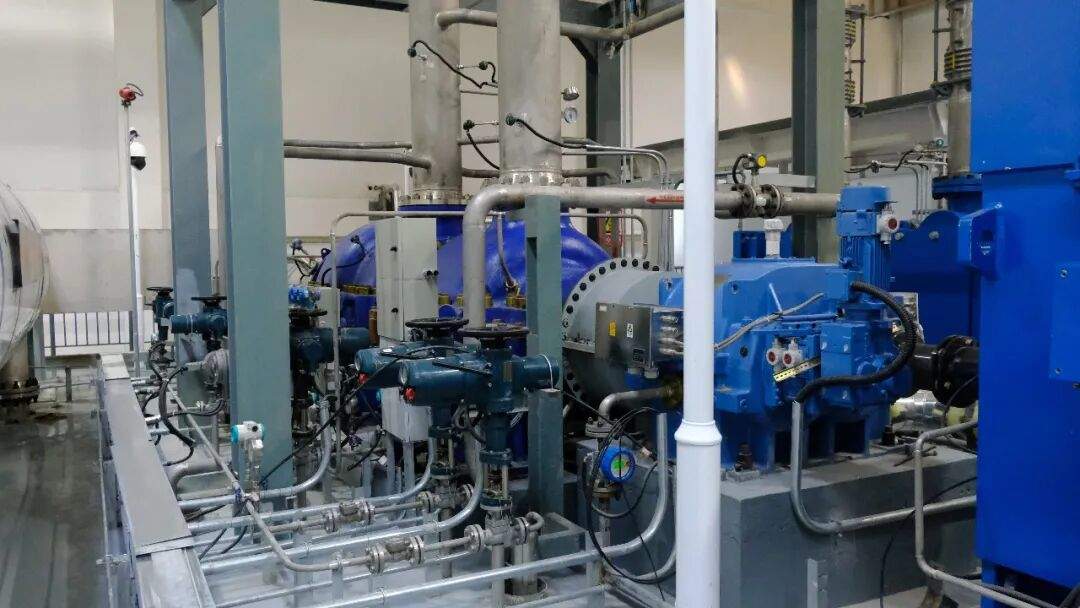
The pilot system was developed jointly by the University of Amsterdam and an Indian engineering partner specializing in industrial process systems. It is equipped with a 25-liter reactor vessel, storage tanks, an integrated safety system, and both local and remote control capabilities. In April, the factory acceptance test was successfully completed in the presence of Raveendran. Comprehensive safety and process assessments, including a HAZOP study, were conducted during development, and Bureau Veritas approved the engineering design. The unit is currently being assembled into a transportable skid-mounted module, which will then be shipped from India to Spain, with operations expected to commence this summer at COGERSA, a public waste management company in the Asturias region of Spain.
At that point, UvA researchers will work with COGERSA to evaluate the technology's performance on real plastic waste streams. Raveendran noted that while laboratory experiments have included actual plastic waste, unforeseen challenges may still arise during real-world operations, and the scale-up phase is precisely intended to push the technology toward genuine industrial relevance. In his view, the project represents the successful translation of academic research into practical industrial technology. Conducting technology-oriented R&D within a research university requires close collaboration with industrial and engineering partners, as well as navigating practical issues such as regulatory approvals, safety assessments, and certification procedures. He also pointed out that young researchers involved in the project have gained experience in multidisciplinary collaboration and sustainability-driven innovation by engaging with industrial challenges.
The performance of the pilot plant will determine whether the technology can be scaled up to address the global plastic waste crisis while supporting circular economy goals.
This article is compiled by Wedoany. All AI citations must indicate the source as "Wedoany". If there is any infringement or other issues, please notify us promptly, and we will modify or delete it accordingly. Email: news@wedoany.com