Piller MVR Technology Saves Over $870,000 Annually, Aiding Chemical Industry Decarbonization
en.Wedoany.com Reported - Piller is showcasing its Mechanical Vapor Recompression (MVR) blowers and compressor technology at the ChemE Show, which transforms low-temperature waste heat into a high-value process asset. As the chemical industry faces increasing pressure to reduce carbon emissions and rising utility costs, optimizing energy-intensive thermal separation processes has become critical.
Conventional distillation and rectification columns typically release significant latent heat into the atmosphere or cooling towers, driving up operational costs. Piller's high-performance multi-stage blower system addresses this inefficiency by elevating waste steam to the precise temperature and pressure levels required by process reboilers, effectively eliminating the need for fossil fuel-fired boilers during steady-state operation.
A real-world application case demonstrates the technology's effectiveness. In a petrochemical and refinery condenser heat recovery scenario, Piller's MVR technology successfully recovered waste heat from overhead reflux condensers (operating between 100°C and 200°C). By compressing 2 barg steam to a usable 10 barg reboiler pressure, the technology released 9.5 MWth of cooling tower load, saving over $870,000 annually in energy and water costs, while reducing emissions by 19,581 tCO₂/year, achieving a heating Coefficient of Performance (COP) of 5.8.
In an energy-saving methanol stripping application, Piller provided a custom engineering solution, retrofitting a conventional distillation column using a closed-loop heat pump cycle and an open-loop MVR system. The system achieved a COP of up to 5.94, replacing up to 72.2 MW of cooling tower heat rejection with minimal electric blower input, and completely substituting the traditional steam boiler.
At Booth 332 of the ChemE Show, Piller's thermal engineering experts will engage with attendees, showcasing custom multi-stage configurations and discussing how to optimize plant thermodynamic efficiency.
This article is compiled by Wedoany. All AI citations must indicate the source as "Wedoany". If there is any infringement or other issues, please notify us promptly, and we will modify or delete it accordingly. Email: news@wedoany.com
Related Products
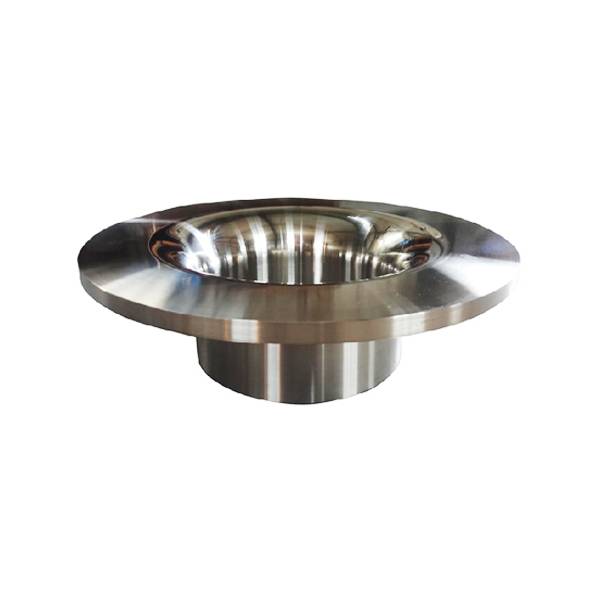

Standard Nozzle Flowmeter
Jinggong Automatic Control Instrument Complete Technology Development Company
Mineral-insulated Compact Busway (Fire-resistant Busduct)
Zhuhai Guangle Electric Busway Co., Ltd.
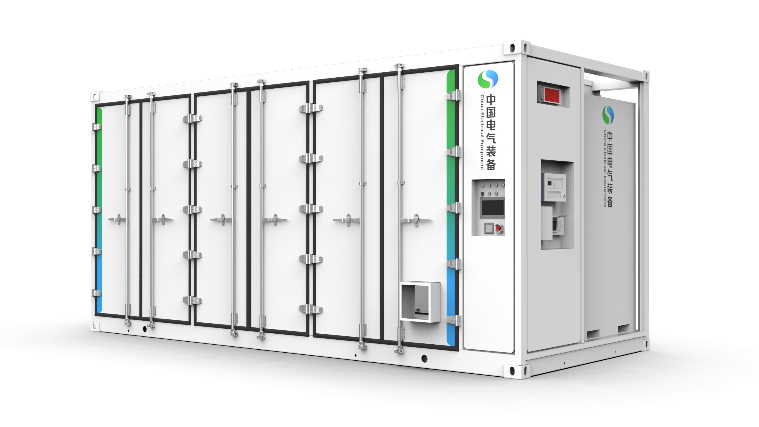
MESS8201-2507/5015-BN Prefabricated Liquid-cooled Energy Storage Battery Container
Xuchang Xuji Electric Science Energy Storage Technology Co., Ltd.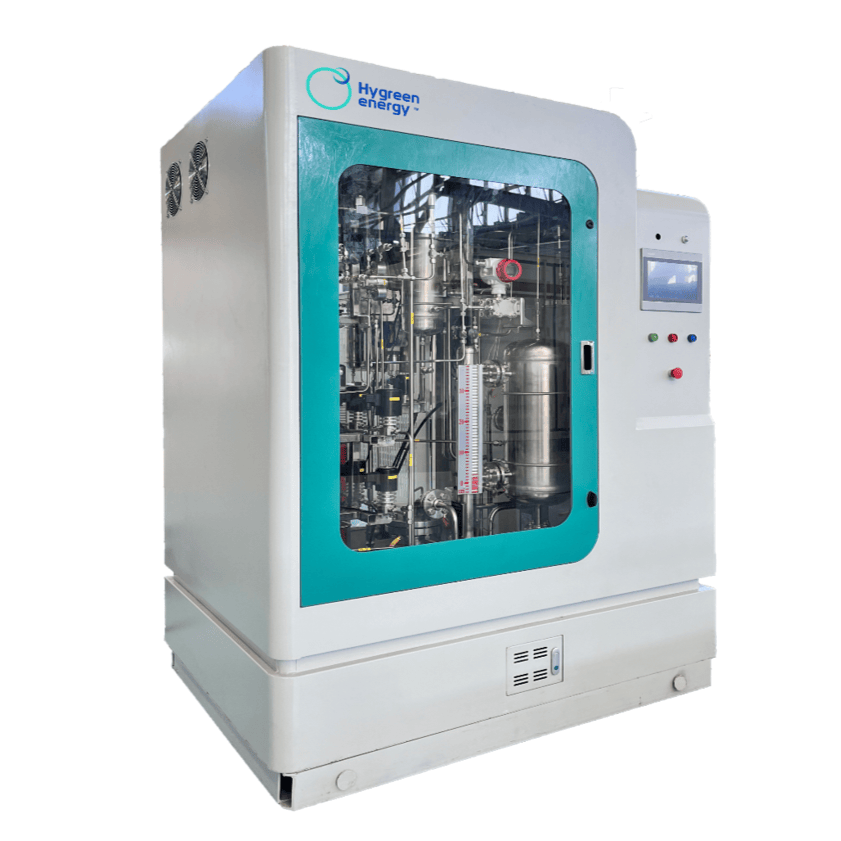
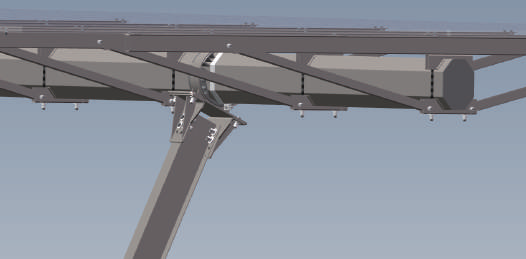

"Shunyi 1600" Deep-submerging Bottom-sitting Multi-functional Wind Power Engineering Vessel
Zhengli Offshore Engineering Co., Ltd.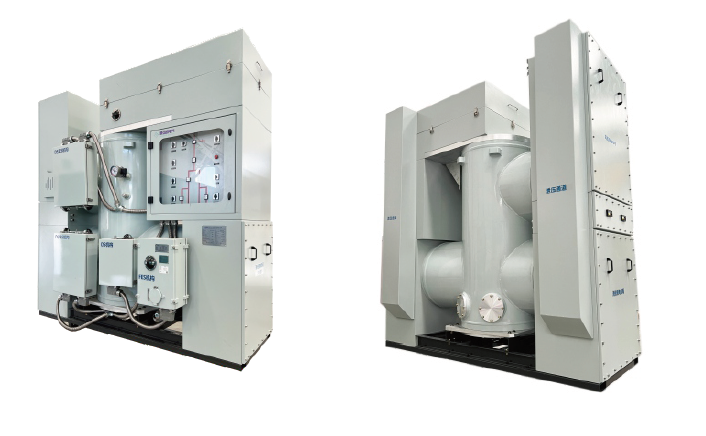
72.5kV 1250A 31.5kA SF6 free Gas-insulated Metal-enclosed Switchgear
Zhejiang Juhonkia Intelligent Electric Co., Ltd.