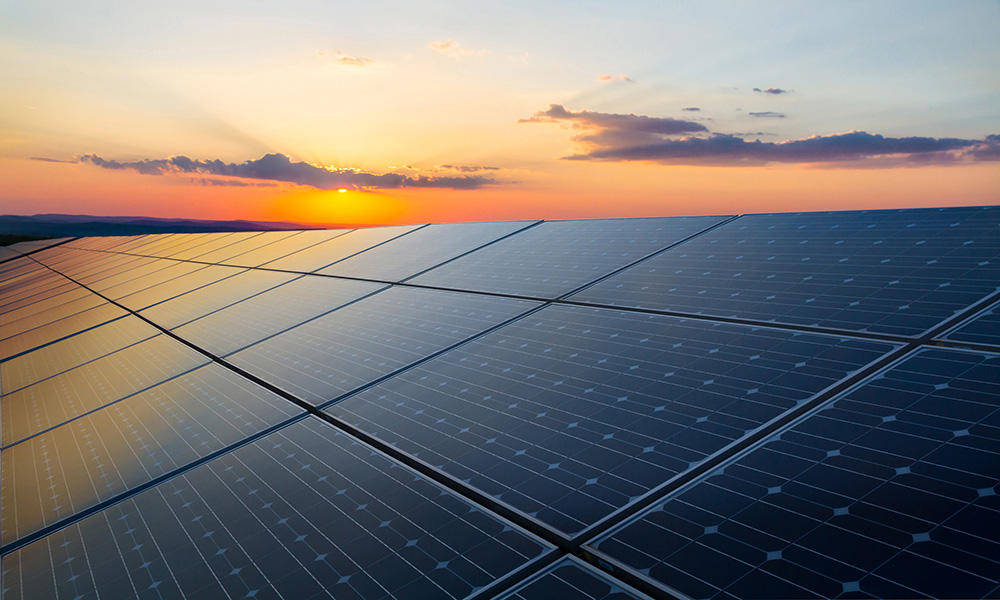
Organon Expands Campinas Solar Park, Photovoltaic Panels to Increase to 3,720
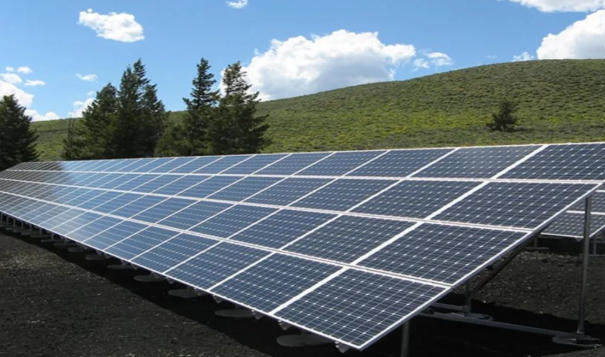
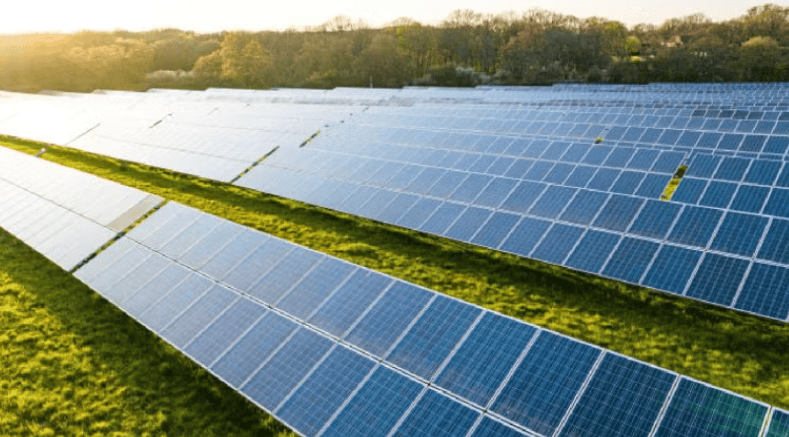
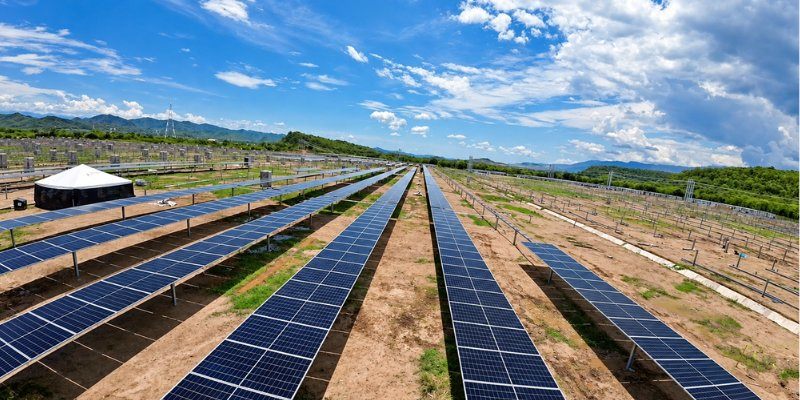
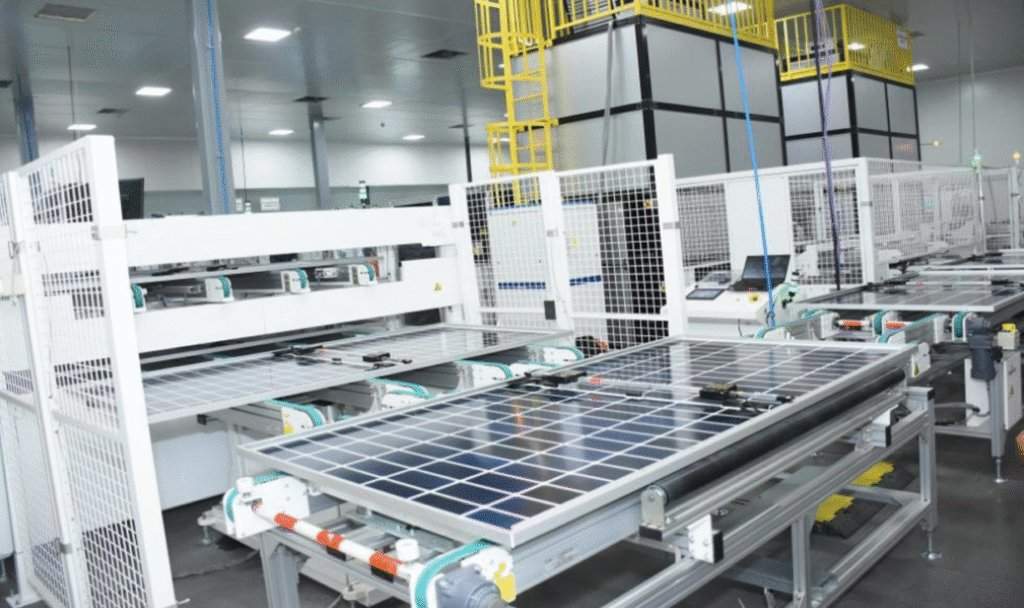
en.Wedoany.com Reported - Organon's green industrial park in Campinas has made progress in renewable energy utilization and ecological protection. The company's solar park currently has 3,120 photovoltaic panels and plans to expand to meet 22% of its energy consumption, with an additional 600 panels to be installed, generating 522 MWh annually. Currently, the pharmaceutical company generates 2,786 MWh, covering 19.2% of its energy needs—enough to supply approximately 1,500 households, exceeding the initial expectation of 18%.
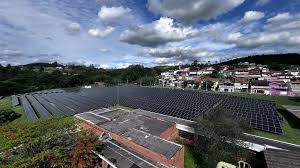
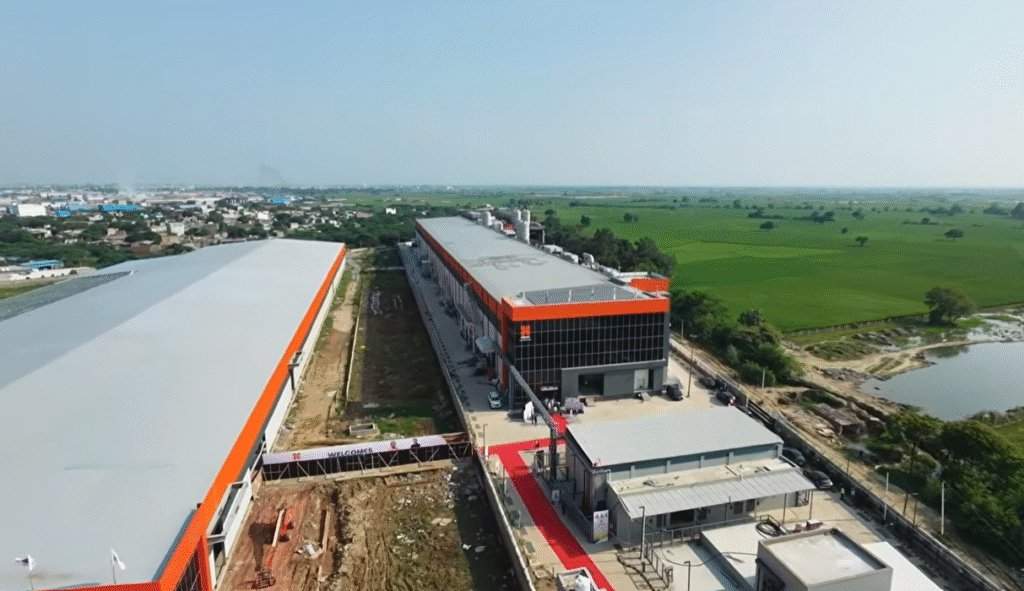
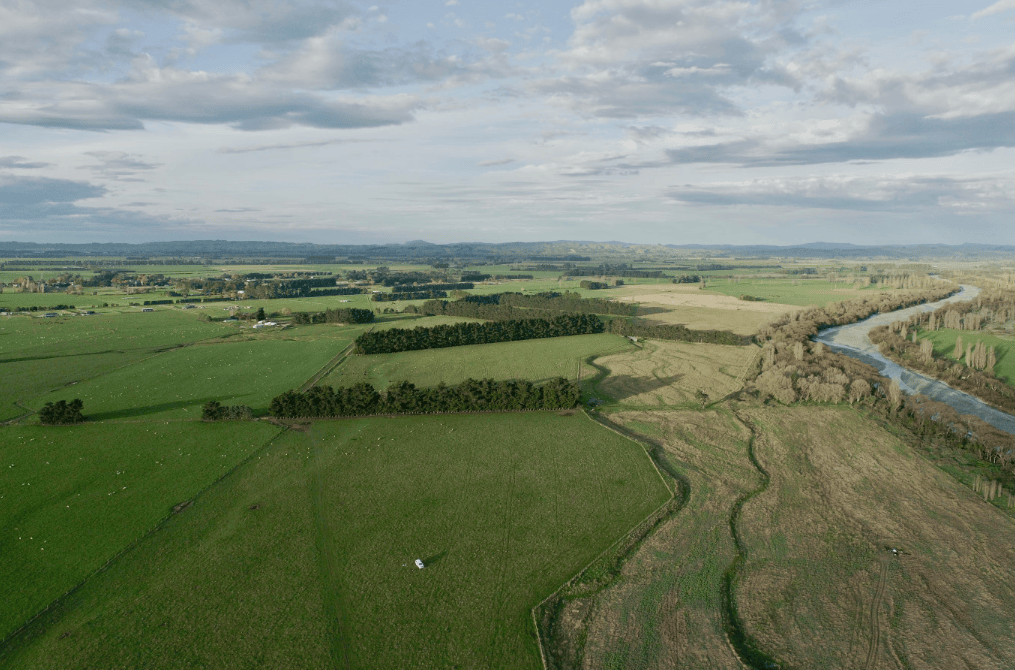
The project, planned in 2023, centers on a green belt formed around the factory in the Nova Souzas neighborhood. During ecological park observation activities, Organon identified 90 native bird species in 2025, increasing to 128 species by 2026—a 42.2% growth. Observed species include the campo flicker (pica-pau-do-campo), the blue-winged macaw (periquitão-maracanã), and the toco toucan (tucanuçu), the world's largest toucan.
Leonardo Gonçalves, Deputy Director of Environment at Organon Brasil, stated that the company is committed to solar power generation and focuses on protecting green spaces around the factory to avoid disrupting bird habitats. While expanding its renewable energy structure, the company places greater emphasis on bird habitat conservation, with the continuous increase in native bird species validating the sustainability policy. The protected area is further strengthened by planting 481 native saplings to restore the riparian forest of the Atibaia River (Rio Atibaia), a 15.9% increase from 415 saplings a year earlier. Planted species include pink cedar (cedro-rosa), velvet trumpet tree (ipê-felpudo), and white laurel (louro-branco).
The small forest maintained by the pharmaceutical company has also added 350 other trees. Leonardo Gonçalves stated that the company has truly sustainable guidelines and believes it is contributing to protecting the local microclimate, restoring flora, and preserving fauna, thereby safeguarding human health—a legacy for Campinas. Organon reduces approximately 290 tons of CO2 emissions annually through self-generated solar energy, with a long-term goal of achieving zero emissions. The company's sustainability policy covers efficiency improvements in industrial processes. Between 2020 and 2026, factory water consumption decreased by 12%, saving 4.8 million liters of water annually; energy consumption dropped by 11%, avoiding 15,400 MWh of energy use per year—enough to supply approximately 8,000 households or a city of about 20,000 residents. Waste generation also decreased by 3 million liters.
This article is compiled by Wedoany. All AI citations must indicate the source as "Wedoany". If there is any infringement or other issues, please notify us promptly, and we will modify or delete it accordingly. Email: news@wedoany.com
Related Products

YE3 Series Low Voltage High Power Three-Phase Asynchronous Motor
Shandong Lijiu Electrical Machinery Co., Ltd.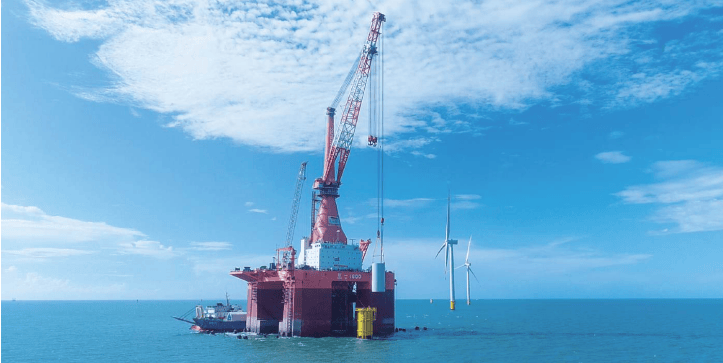
"Shunyi 1600" Deep-submerging Bottom-sitting Multi-functional Wind Power Engineering Vessel
Zhengli Offshore Engineering Co., Ltd.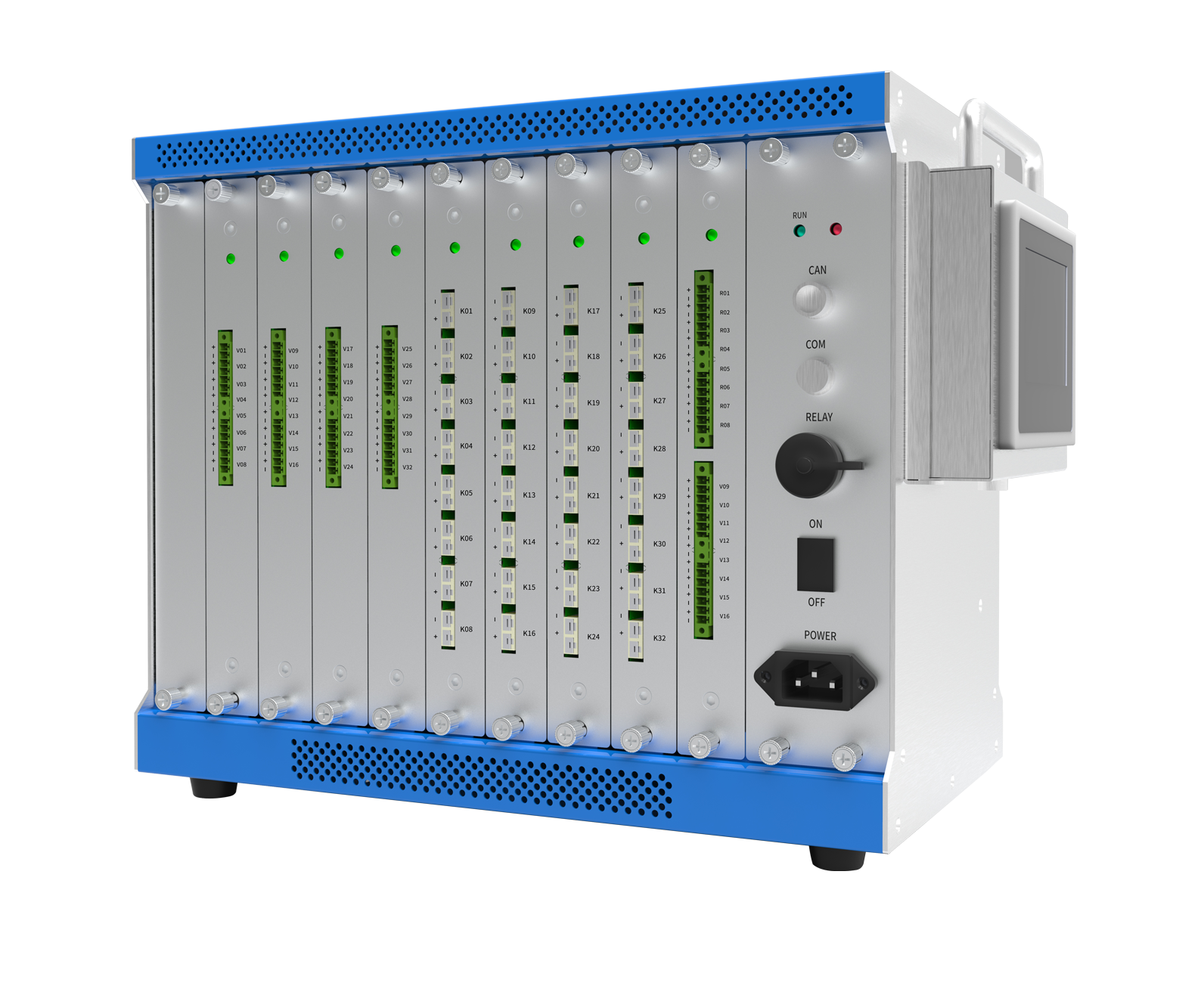
Optional Accessory - Auxiliary Sampling Module
Beijing Soaring Electric Technology Co., Ltd.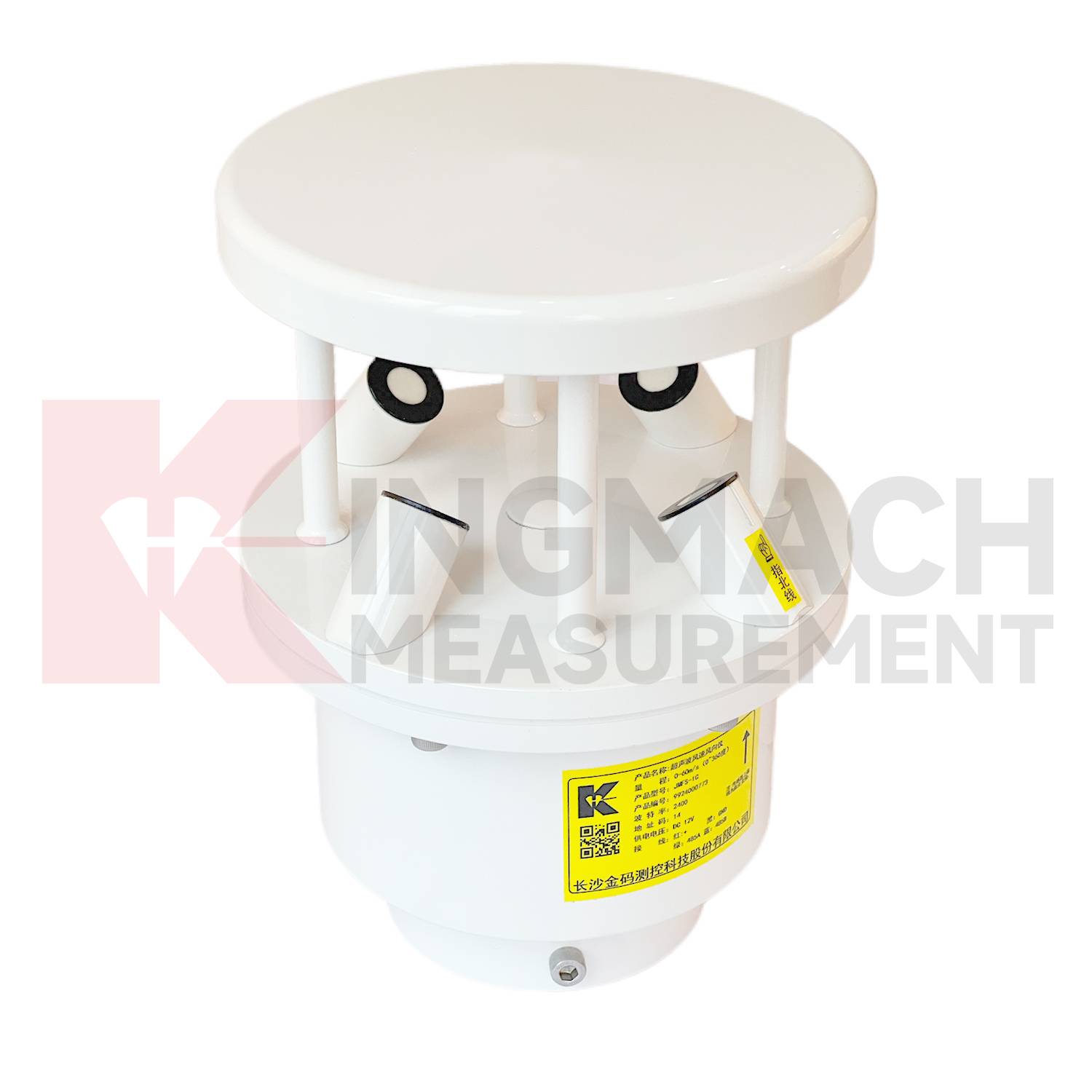
Ultrasonic Wind Speed and Direction Instrument
Kingmach Measurement & Monitoring Technology Co., Ltd.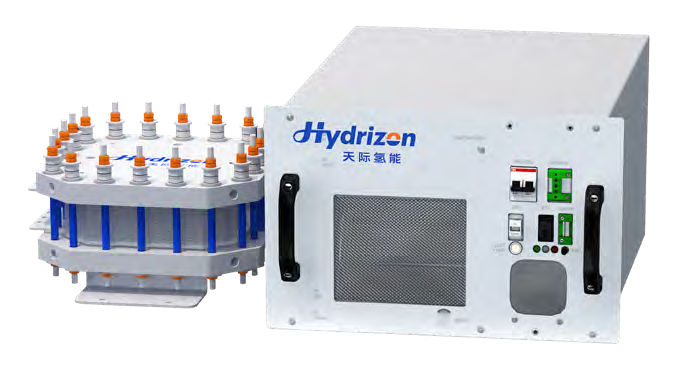
HI-Pro Green Hydrogen High-efficiency Production System-HI-PRO-AEM
Hydrizon Technology (Beijing) Co., Ltd.
Double-slide Triple-sealed Hot Air Isolation Door
Xi'an Yingchuan Electric Power Equipment Co., Ltd.

40.5kV-1100kV Gas Insulated Metal-Enclosed Switchgear (GIS)
Henan Pinggao Electric Co., Ltd.