en.Wedoany.com Reported - The Karnataka Electricity Regulatory Commission (KERC) has released a draft of the "2026 Grid-Connected Distributed Solar Photovoltaic (DSPV) Regulations," establishing a new framework for solar power systems connected to the state grid. The draft aims to replace the current "2016 Solar Rooftop Photovoltaic Regulations" to accommodate the growing installed capacity of distributed solar energy in the state.
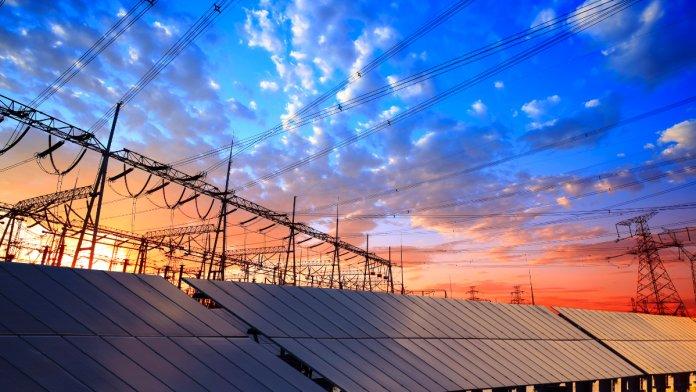
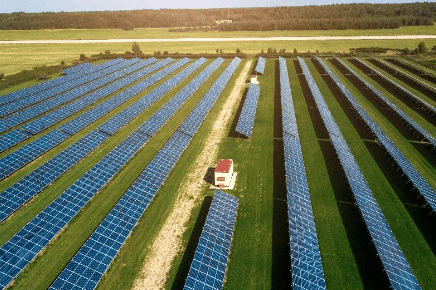
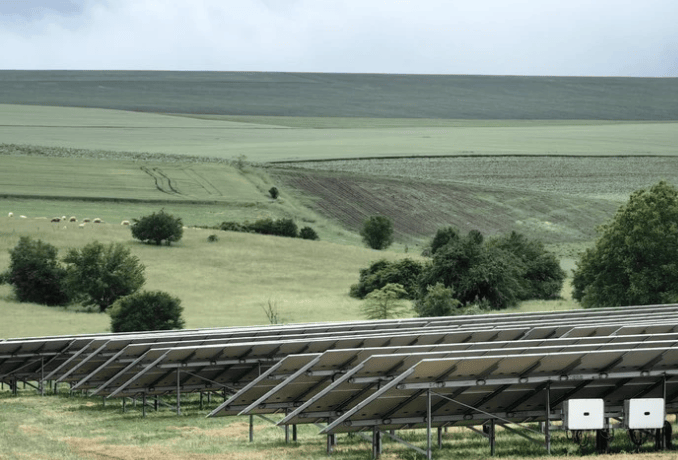
The draft formally expands the terminology from "rooftop solar" to "distributed solar photovoltaic power plants," covering not only rooftop systems but also solar cells on building facades, elevated ground-mounted structures, as well as single-sided and bifacial solar modules. Karnataka currently has a renewable energy installed capacity of 21,961.67 MW, accounting for approximately 57% of the state's total installed capacity. Distributed solar installations amount to about 899.53 MW. The growth in installations has brought challenges such as voltage fluctuations, grid congestion, and power intermittency, and the draft aims to address these issues while encouraging further adoption of solar energy.
The draft introduces six metering schemes for different user categories. Net metering is applicable only to residential users, residential apartment buildings, government institutions, and charitable organizations, with system capacities ranging from 1 kW to 500 kW, subject to the approved load limit. Net settlement and gross metering are open to all user categories; under gross metering, users can export all electricity generated by the solar system to the distribution company. The draft also introduces Group Net Metering (GNM) and Virtual Net Metering (VNM). GNM allows multiple electricity connections registered under the same name and category to offset surplus solar generation in electricity bill settlements, while VNM allows groups of residential users to jointly develop a solar power plant and share the energy. Both models require a minimum system capacity of 5 kW. The behind-the-meter model is dedicated to self-consumption and does not allow any power injection into the grid.
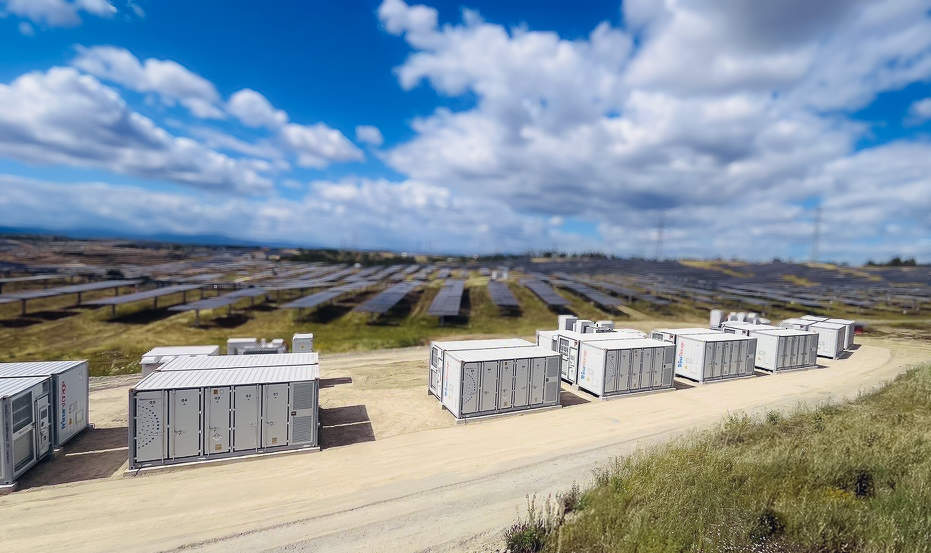
To enhance grid reliability, the draft mandates that DSPV systems with a capacity exceeding 10 kW must be equipped with hybrid inverters or battery energy storage systems, with a storage capacity of at least 20% of the plant's generation capacity. Systems with a capacity below 150 kW must not exceed 80% of the local distribution transformer capacity. The draft simplifies the approval process through an online application system. Low-voltage residential projects with a capacity not exceeding 150 kW are exempt from signing a Power Purchase Agreement (PPA). Distribution companies must complete inspection and grid connection within five days of receiving the completion report; failure to do so will result in a daily penalty of INR 1,000, payable to the applicant.
KERC has invited comments from stakeholders and the public. Interested parties may submit feedback within 15 days from the date the draft is published in the official gazette.
This article is compiled by Wedoany. All AI citations must indicate the source as "Wedoany". If there is any infringement or other issues, please notify us promptly, and we will modify or delete it accordingly. Email: news@wedoany.com