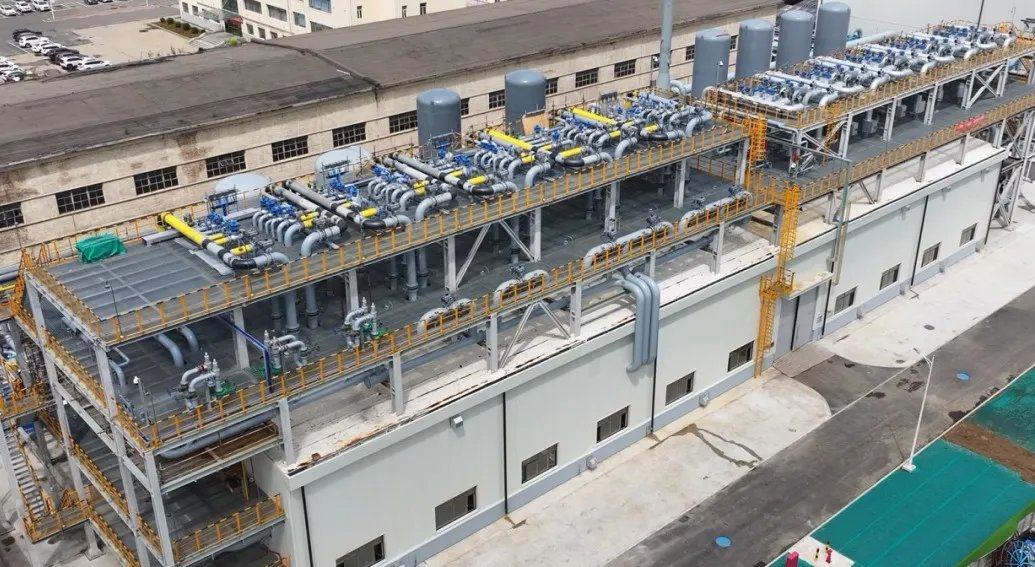
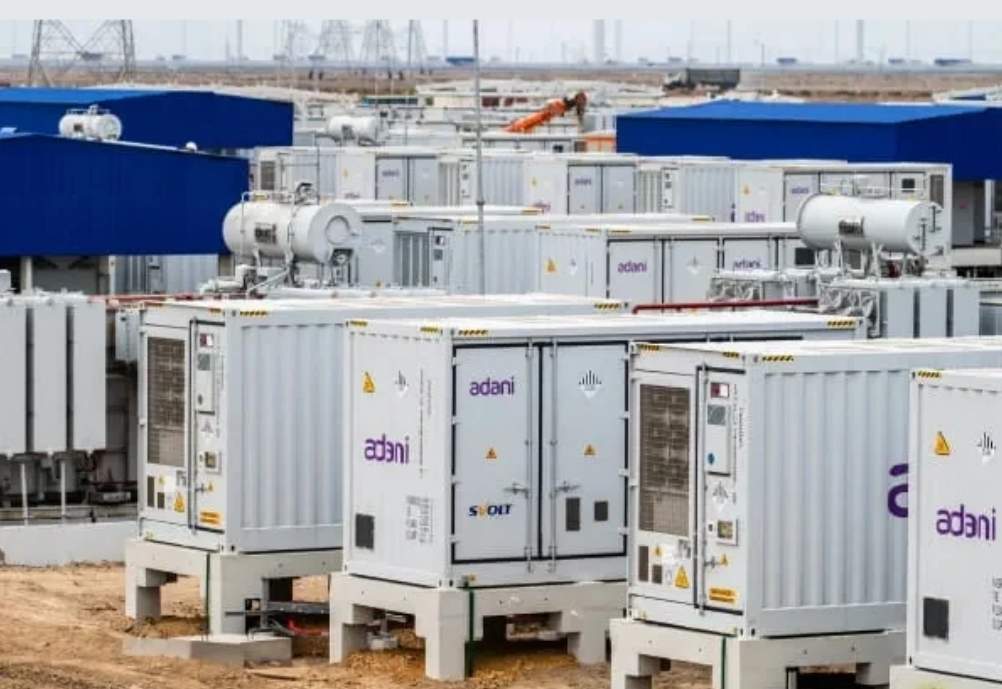
en.Wedoany.com Reported - Adani Green Energy Limited has commissioned over 3GWh of battery energy storage systems at the Khavda Renewable Energy Park in Gujarat, India. This park is the world's largest single-site renewable energy project, with a total installed capacity of 30GW, utilizing multiple clean energy technologies.
Adani Green Energy, a subsidiary of the multinational conglomerate Adani Group, announced on May 26 that the cumulative capacity of lithium-ion battery energy storage systems deployed at this integrated energy hub has reached 3.37GWh, including a 1.7GWh project commissioned in March this year. Although the company did not disclose the power capacity of the storage projects, based on current trends in the Indian energy storage market, the park primarily deploys storage systems with a four-hour discharge duration.
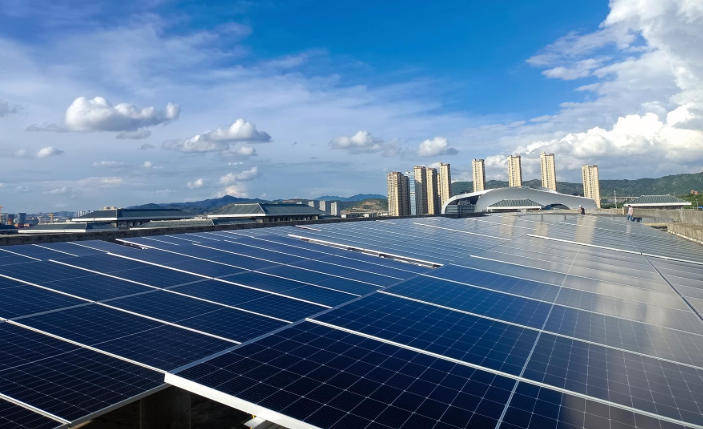
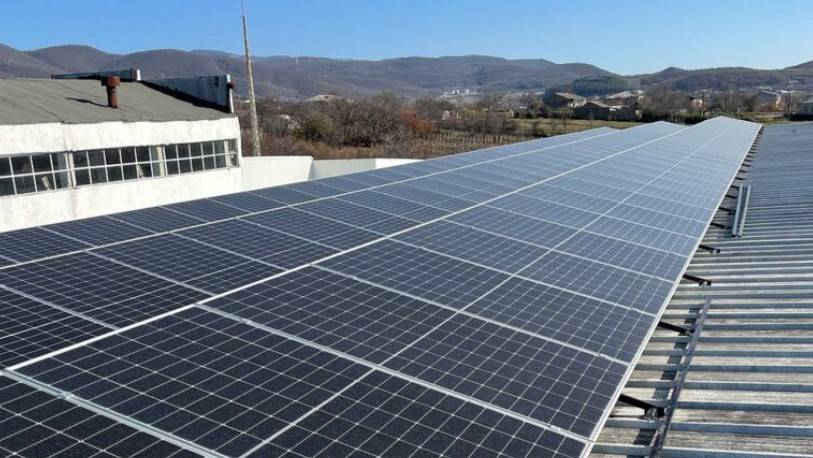
Currently, the park has 9.9GW of operational wind farms and solar photovoltaic farms. Adani Green Energy initially commissioned the park's first 551MW solar photovoltaic farm in early 2024. The company has signed a 25-year power purchase agreement (PPA) with the Maharashtra State Electricity Distribution Company Limited (MSEDCL) for a total capacity of 5GW. Other developers, including India's state-owned power utility NTPC Limited and its renewable energy subsidiary NTPC Green Energy Limited, are also contributing to the generation capacity at the Khavda park.
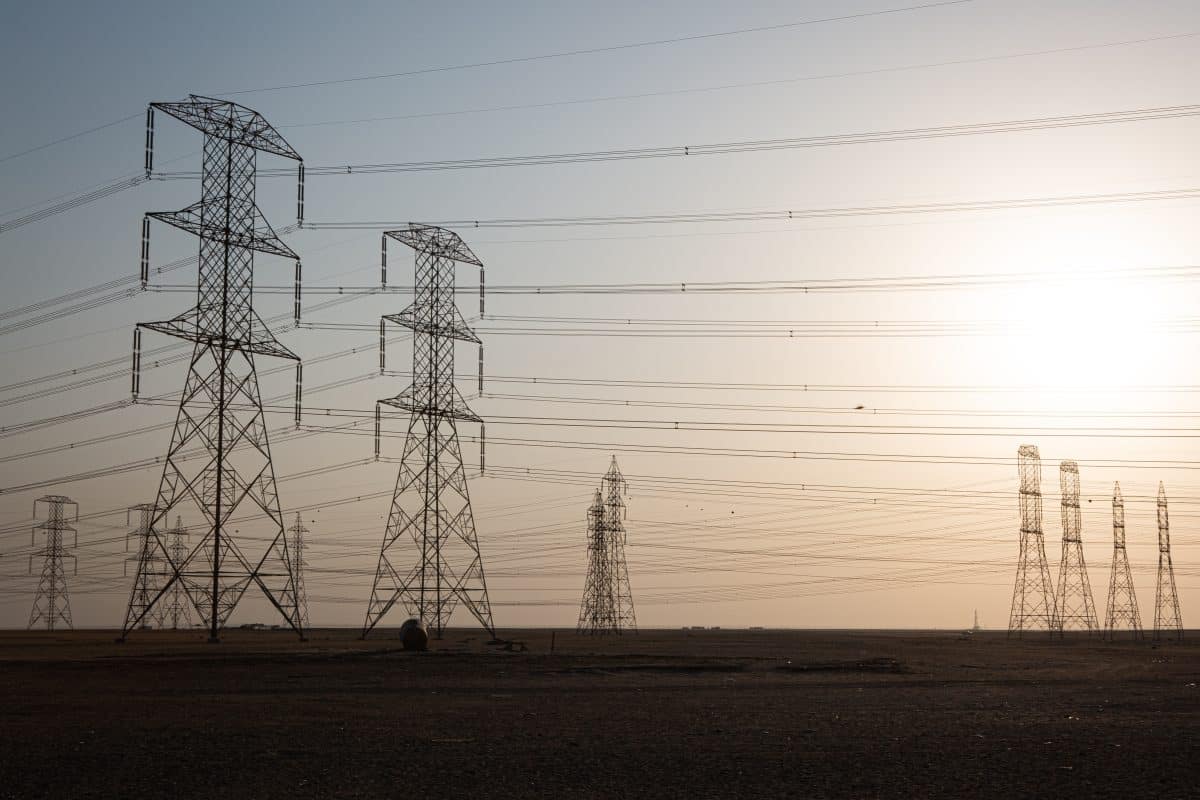
The park is located in a region of western Gujarat, India, rich in solar and wind energy resources, with all generation facilities situated adjacent to each other. According to a 2024 presentation by Adani Green Energy, the park connects to the central grid and the existing "Green Corridor" for renewable energy transmission via high-voltage transmission lines.
In announcing its results for the fourth quarter and full fiscal year 2025-2026, the company stated that the addition of nearly 3GW of capacity at the Khavda Renewable Energy Park was a key driver of the 23% year-on-year increase in core EBITDA. To date, Adani Green Energy's operational asset portfolio totals 19,294MW.
The company aims to deploy over 10GWh of battery energy storage systems by fiscal year 2027 and 50GWh in the subsequent five years. Sagar Adani, Executive Director of Adani Green Energy, stated that as the scale of renewable energy generation facilities expands rapidly, energy storage systems have become crucial for providing reliable, round-the-clock clean power. The commissioning of the 3.37GWh battery energy storage system at the Khavda park marks the company's efforts to lay the foundation for building a resilient, dispatchable, and flexible energy system.
This project makes a significant contribution to India's cumulative installed energy storage capacity. According to estimates by India's Central Electricity Authority, India needs to deploy approximately 411.4GWh of energy storage capacity by 2031-2032, including 236.2GWh of battery energy storage systems and 175.2GWh of pumped storage facilities. By the end of last year, India had deployed only about 800MWh of energy storage systems. Debmalya Sen, Chairman of the India Energy Storage Alliance, emphasized in a blog post in early 2026 that a total of 60GWh of energy storage projects are currently in the execution phase, 80GWh are in the tendering phase, and another 35GWh have already been awarded.
This article is compiled by Wedoany. All AI citations must indicate the source as "Wedoany". If there is any infringement or other issues, please notify us promptly, and we will modify or delete it accordingly. Email: news@wedoany.com