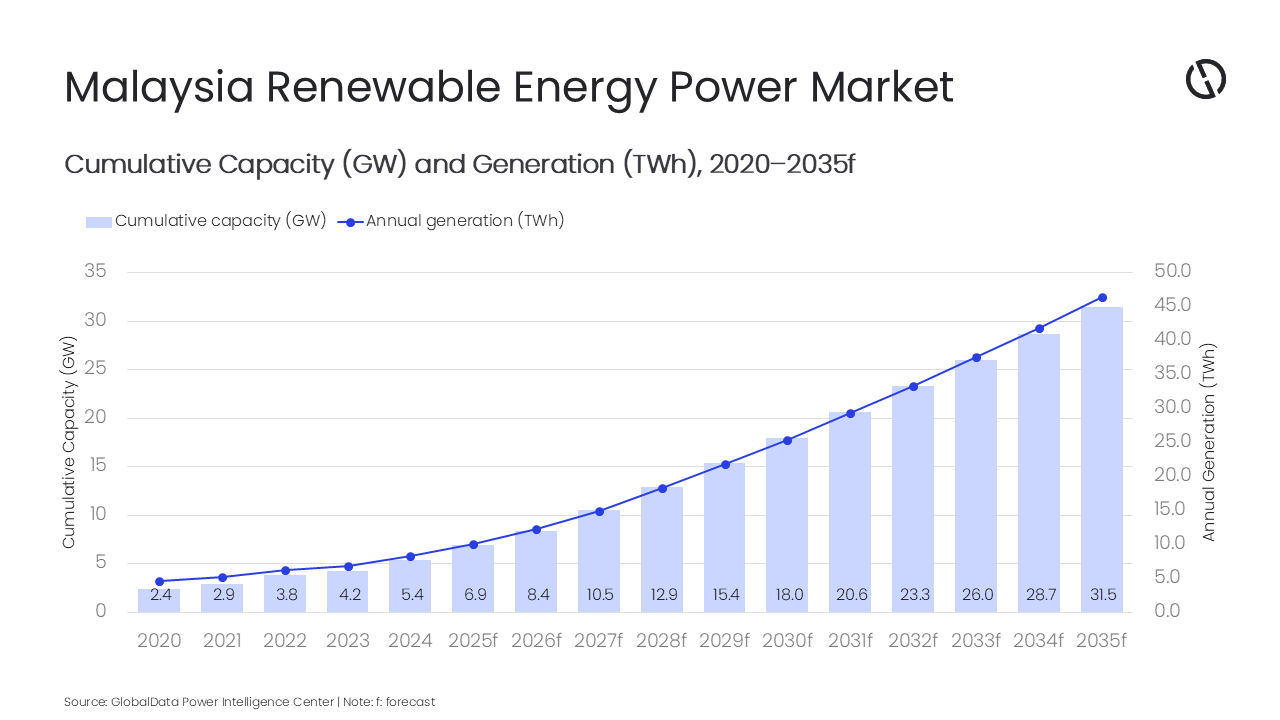
en.Wedoany.com Reported - According to GlobalData's latest report, "Malaysia Power Market Trends and Analysis: Capacity, Generation, Transmission, Distribution, Regulations, Key Players, and Forecast to 2035," the country's renewable energy installed capacity is expected to increase from approximately 6.9 GW in 2025 to about 31.5 GW, while renewable energy generation is projected to rise from 10.1 TWh in 2025 to 46.4 TWh by 2035.
Sudeshna Sarmah, Power Analyst at GlobalData, noted that Malaysia has introduced a series of long-term energy plans, including the National Energy Policy 2022-2040, the Malaysia Renewable Energy Roadmap (MyRER), the National Energy Transition Roadmap (NETR), the National Renewable Energy Policy and Action Plan, and the 13th Malaysia Plan (13MP), which together form a roadmap aimed at achieving renewable energy targets ahead of schedule. These policies are reinforced by supportive measures such as market reforms, investments in solar, hydropower, and biomass technologies, grid flexibility and energy storage strategies, and energy efficiency legislation to accelerate deployment and mobilize private investment.
Streamlined approval processes have reduced regulatory hurdles, helping to shorten the time-to-market for new power plants and lower development costs. Initiatives such as the Corporate Renewable Energy Supply Scheme (CRESS) have introduced competitive bidding and longer contract durations, enhancing investor confidence and unlocking private capital for renewable energy projects.
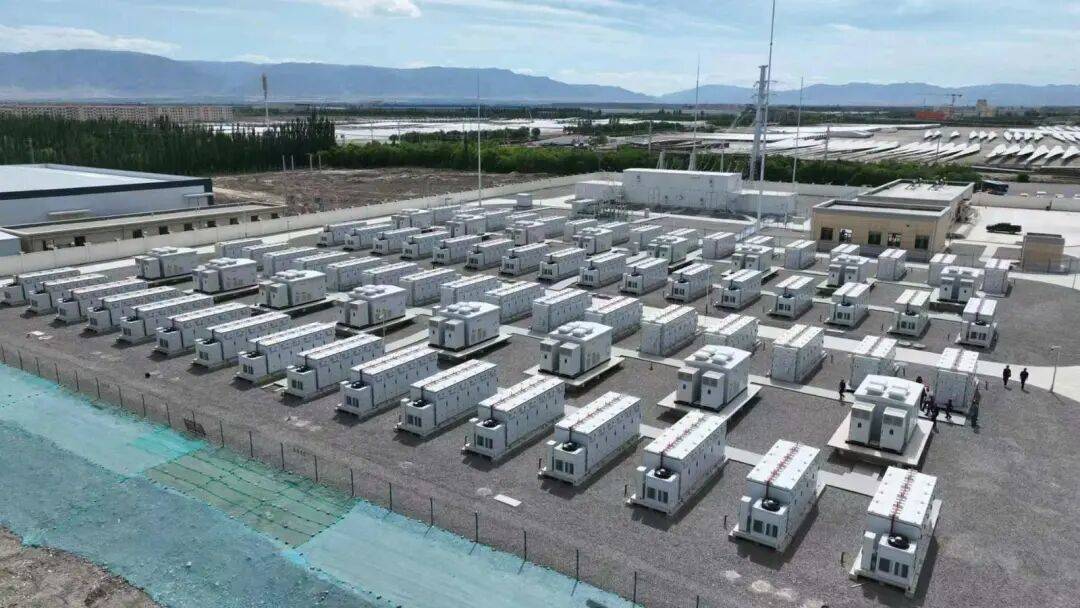
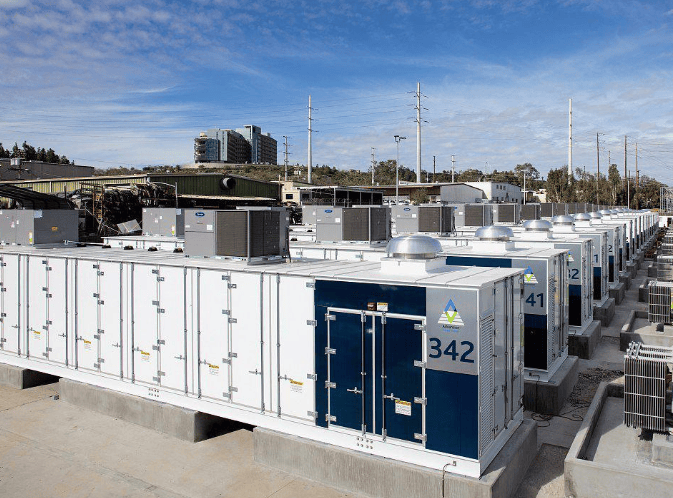
Sarmah stated that by deploying ground-mounted and floating solar power plants paired with battery storage, Malaysia is increasing power generation capacity and depressing wholesale electricity prices. Floating solar projects avoid land acquisition challenges and typically utilize water sites already equipped with transmission infrastructure, thereby shortening construction timelines and reducing grid connection delays. Battery storage helps smooth intraday fluctuations in solar generation by capturing excess midday solar power and supplying it during evening peak hours, reducing reliance on costly flexible fossil fuel generators and improving overall grid utilization and stability.
Malaysia's surging demand from data centers, electric vehicles, cooling systems, and industrial processes is driving up electricity consumption during both day and night, opening market space for new generation capacity and spurring investments in grid expansion and modernization. Stable and predictable demand supports the financing of large-scale projects, helping utilities leverage economies of scale and recover infrastructure costs. Demand growth also promotes energy mix diversification, enhancing reliability and reducing the risk of blackouts.
Sarmah concluded that from 2020 to 2025, Malaysia's energy portfolio has increasingly tilted toward renewable energy. Solar photovoltaic (PV) has achieved robust and steady growth, with capital investment increasing by approximately $2.1 billion by 2025. Investments in hydropower and biomass, while gradually growing, remain relatively modest and still small compared to solar. Looking ahead to 2026-2030, solar PV is expected to dominate the renewable energy investment landscape. Natural gas will maintain a supporting role, with investments in peaking and balancing capacity fluctuating between $200 million and $600 million annually. Hydropower is expected to stabilize in the range of $100 million to $500 million, while biomass, though still negligible, will slowly climb to around $200 million per year.
This article is compiled by Wedoany. All AI citations must indicate the source as "Wedoany". If there is any infringement or other issues, please notify us promptly, and we will modify or delete it accordingly. Email: news@wedoany.com