Permian Basin NGL Production Expected to Reach 4.8 Million Barrels per Day by 2030
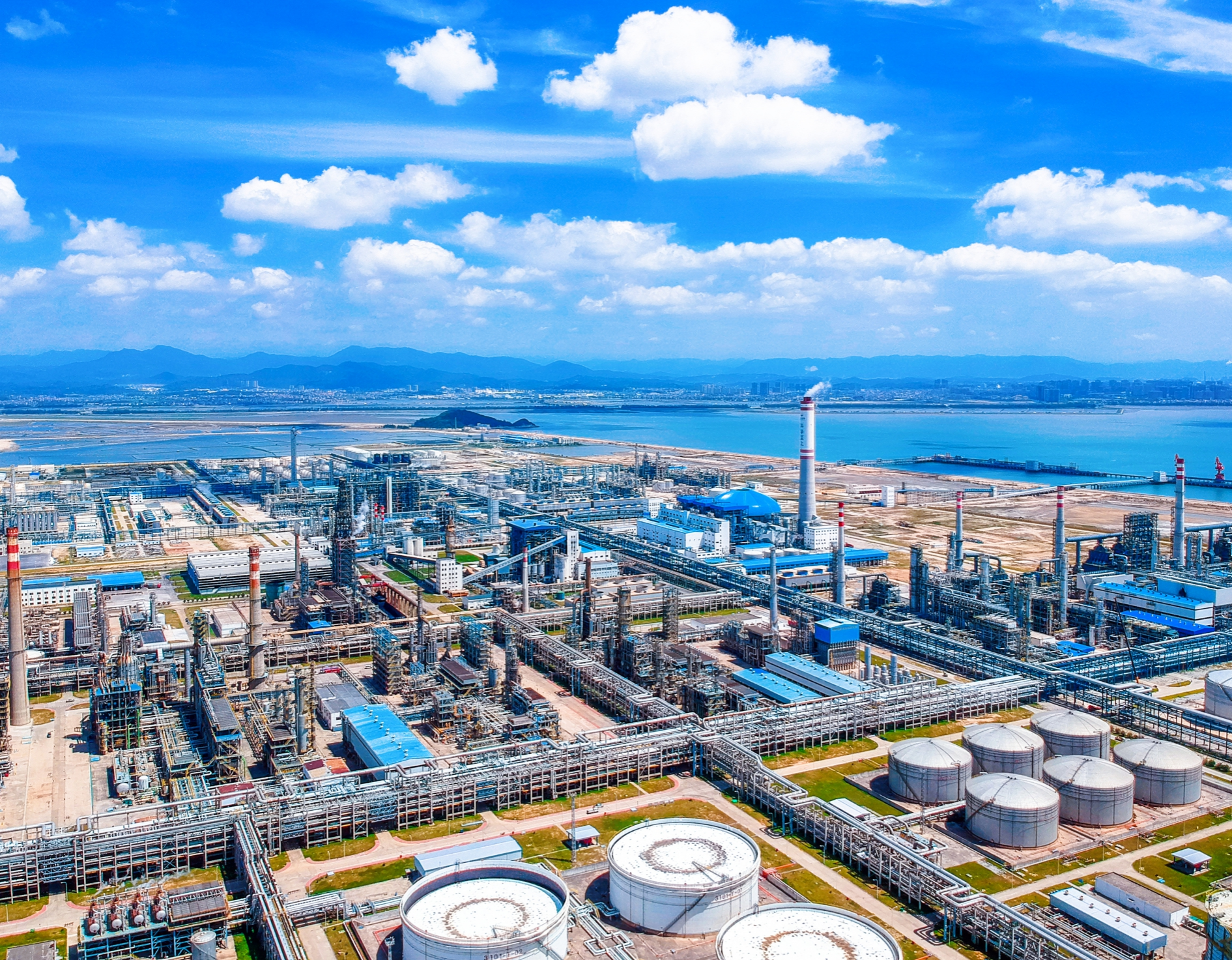
en.Wedoany.com Reported - In the Permian Basin of Texas and southeastern New Mexico, the rapid construction of natural gas processing plants and NGL-related infrastructure continues to accelerate, undeterred by the plateauing of crude oil production. New projects include processing facilities, new and expanded NGL pipelines, new fractionation plants in Mont Belvieu (and near Corpus Christi), as well as new ethane and LPG export capacity.
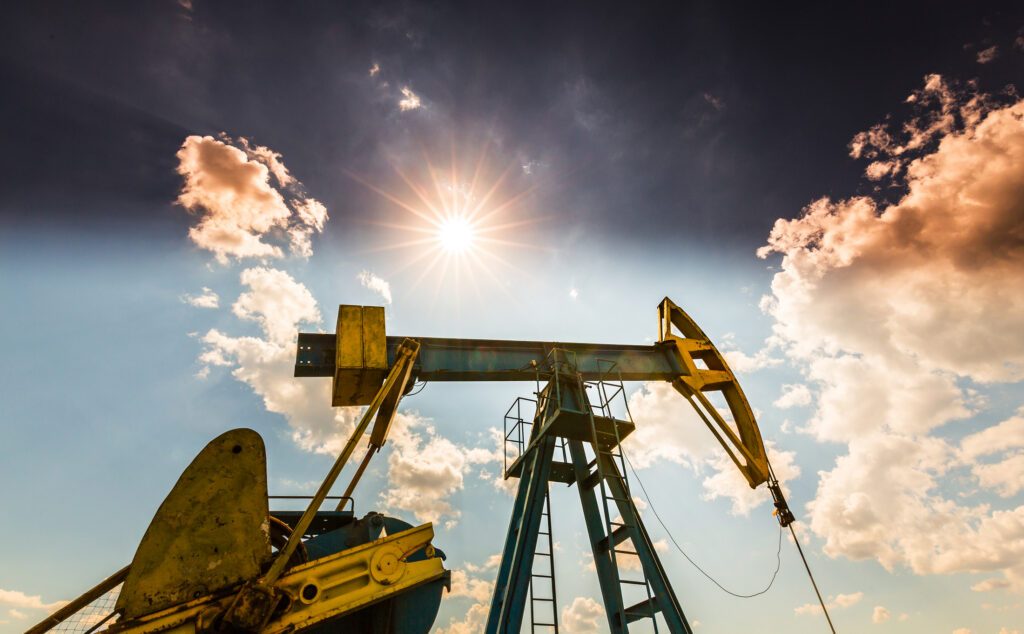
Crude oil prices have risen for three months due to the Iran war, but Permian producers have not increased drilling and completion activities. According to the weekly Permian crude oil report, the Permian rig count has remained nearly unchanged compared to the end of last year (247 rigs at the end of last year versus 246 in mid-May), and basin oil production has also held steady at 6.6 million barrels per day. This discipline has drawn attention during an extended period when WTI prices exceeded $90 per barrel: if Permian crude oil production does not rise under such price conditions, has oil output there peaked? If so, what impact would this have on the basin's associated gas and NGL production?
Analysis indicates that even if Permian crude oil production remains flat—or even declines by a few hundred thousand barrels per day—the basin's associated gas and NGL production will still grow relatively quickly. The mixture of crude oil, natural gas, and NGLs produced from Permian wells has been evolving for years, with an overall trend of (1) more natural gas per barrel of oil (i.e., a higher gas-to-oil ratio, GOR), and (2) more NGLs per thousand cubic feet of gas (i.e., a higher gallons per thousand cubic feet, GPM).
The shift in the Permian toward higher GOR and higher NGL content production is significant. It is estimated that the basin-wide GOR has risen from 3.4:1 in 2014 to 4.4:1 in 2025, an increase of nearly 30%; the Permian's GPM has increased from approximately 4.5 to 5.2. The rise in GOR and GPM has been accelerating, based on where producers are drilling and the output from new wells.
This means that even in a scenario of flat oil production, the Permian's associated gas and NGL production will continue to climb into the 2030s. RBN's median scenario for the basin projects a gradual increase in crude oil production through the 2030s, with dry gas production rising to 28 billion cubic feet per day by 2030 and NGL production climbing to 4.8 million barrels per day. The same analysis forecasts that by 2035, Permian dry gas production will rise to 32 billion cubic feet per day, and NGL production will exceed 5.5 million barrels per day, accounting for approximately 50% of total U.S. NGL output.
Among existing projects, companies such as Targa Resources and Enterprise Products Partners are making specific progress. Targa has a complete asset chain, from Permian natural gas gathering pipelines and processing plants, to NGL export pipelines, fractionation plants, and storage facilities in Mont Belvieu, as well as NGL export facilities. Targa has 8.7 billion cubic feet per day of natural gas processing capacity in the Permian, roughly evenly distributed between the Midland Basin (4.4 billion cubic feet per day) and the Delaware Basin (4.3 billion cubic feet per day). (Eighteen of its 21 Midland plants are owned by a joint venture between Targa and ExxonMobil, in which Targa holds a 72.8% stake.)
During its first-quarter 2026 earnings call on May 7, Targa stated that it recently started up the Falcon II facility in the Delaware Basin (275 million cubic feet per day, commissioned in February) and the East Pembrook plant in the Midland Basin (275 million cubic feet per day, commissioned in late March). Four additional plants, each with a capacity of 275 million cubic feet per day, are scheduled to come online by the end of 2027, including the East Driver plant in the Midland Basin (third quarter of 2026) and the Copperhead (first quarter of 2027), Yeti (third quarter of 2027), and Yeti II (fourth quarter of 2027) plants in the Delaware Basin. During the call, the midstream company also announced two additional Delaware processing plants: the 265 million cubic feet per day Roadrunner II facility and the 275 million cubic feet per day Copperhead II plant, both planned to begin operations in the first quarter of 2028.
This article is compiled by Wedoany. All AI citations must indicate the source as "Wedoany". If there is any infringement or other issues, please notify us promptly, and we will modify or delete it accordingly. Email: news@wedoany.com
Related Products
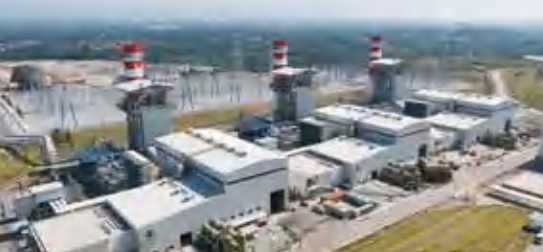



Off-Grid Fuel Cell Supercharging Station (180kW Configuration)
Shanghai REFIRE Group Limited
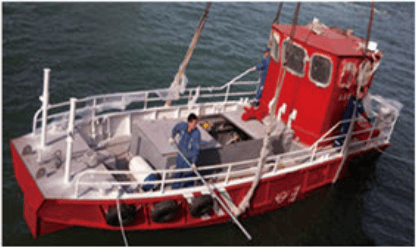
Electromagnetic Fluid Seawater Floating Oil Separation and Recover Equipment
Huate Magnet Group Co., Ltd.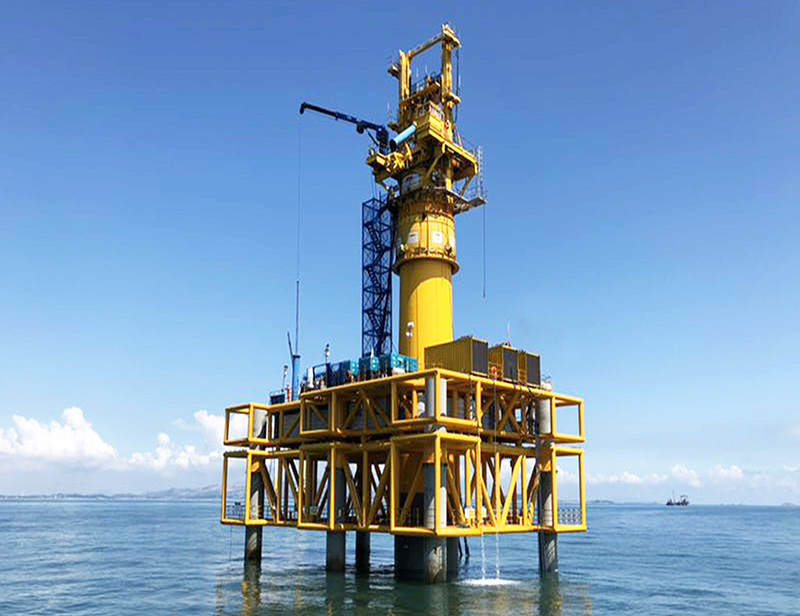
CITIC Heavy Industries Offshore Wind Power Equipment Hydraulic Pile Hammer
CITIC Heavy Industries Co., Ltd.