Asyad Drydock in Oman Sees Over 10% Business Growth in First Five Months
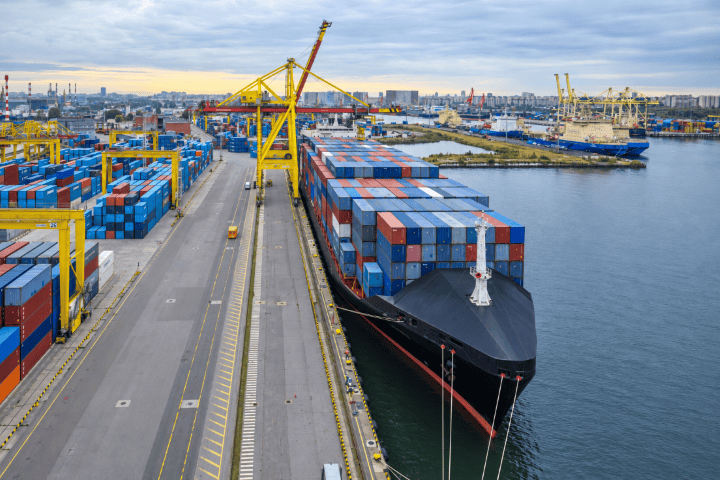
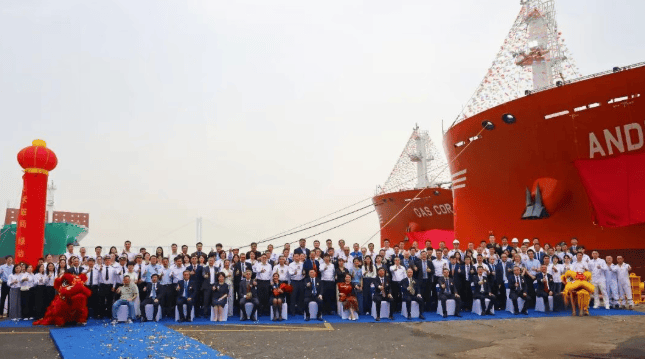
en.Wedoany.com Reported - In the first five months of this year, Asyad Drydock in Oman recorded a business volume increase of over 10% compared to the same period in 2025. Between 2024 and 2025, the shipyard completed more than 230 maintenance projects, setting a record for the highest operational performance since its opening in 2011.
Since its inception, the shipyard has completed over 2,200 drydock operations.
Located strategically along the Gulf of Oman, the shipyard typically attracts a large number of shipowners transiting to and from the Persian Gulf. However, conflicts in the Middle East and the closure of the Strait of Hormuz have impacted this year's performance—results would have been higher without these disruptions.
Due to progress in peace processes and negotiations over the strait, stranded vessels may trigger a surge in business, as these ships require routine maintenance, overdue inspections, engine servicing, and hull cleaning. The shipyard did not respond to requests for comment, as related matters need to be submitted to the government for handling.
Ahmed bin Ali Al Bulushi, CEO of the shipyard, noted that the business growth is partly attributed to the shipyard's integration into Asyad Group, a global logistics and supply chain enterprise valued at $4 billion. The shipyard is heavily investing in infrastructure at Duqm Port, which is expected to drive the expansion of supplier networks and OEM facilities. He also mentioned that the Special Economic Freezone in Duqm offers multiple incentives for enterprises settling in, including tax exemptions and 100% foreign ownership.
Al Bulushi stated that since its establishment, Asyad Drydock has achieved sustained growth through strategic investments in operational capacity, infrastructure, and workforce. The company's competitive advantage stems from its strategic location in the Arabian Sea, directly positioned along key Asia-Europe and Asia-Africa maritime corridors. This geographical advantage allows shipowners to optimize voyage efficiency, avoid the high costs of detours into the Arabian Gulf, and save valuable sailing time.
This article is compiled by Wedoany. All AI citations must indicate the source as "Wedoany". If there is any infringement or other issues, please notify us promptly, and we will modify or delete it accordingly. Email: news@wedoany.com
Related Products


One-Stop Steward Service for the Entire Logistics System Integration Chain
Zhongding Intelligent (Wuxi) Technology Co., Ltd.
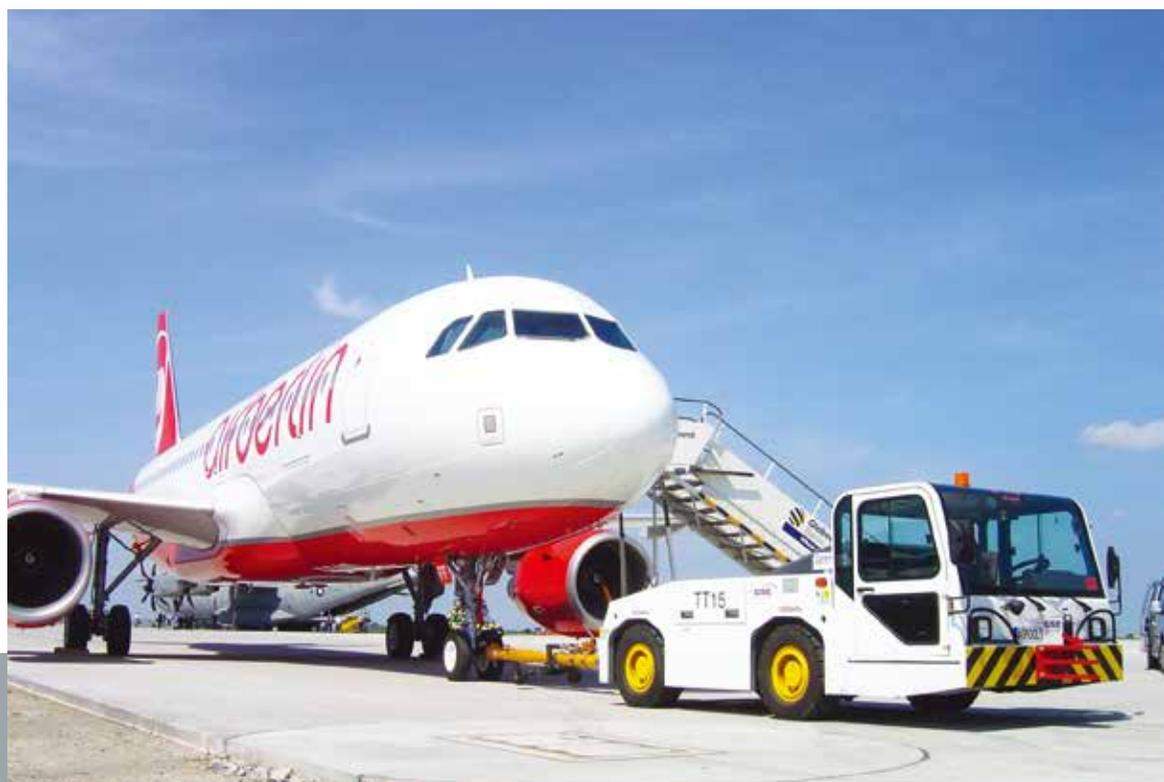
WGQY Series Aircraft Tow Tractor-WGQY15, WGQY27
Weihai Guangtai Airport Equipment Co., Ltd.


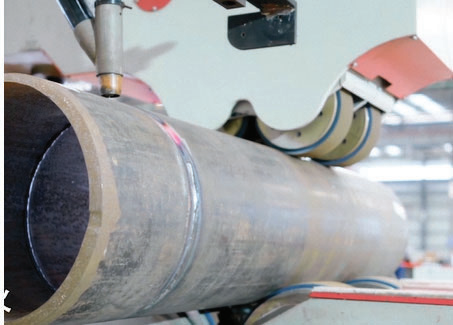


Industrial and Commercial Point-Type Gas Detector
Jinan Benan Technology Development Co., Ltd.