Chinese enterprises achieve 99.6% recovery rate of nickel, cobalt, and manganese from spent batteries
en.Wedoany.com Reported - Chinese enterprises have achieved recovery rates of 99.6% for nickel, cobalt, and manganese, and 96% to 98% for lithium from spent batteries in electric vehicles, leading other major economies in the recycling of critical metals.
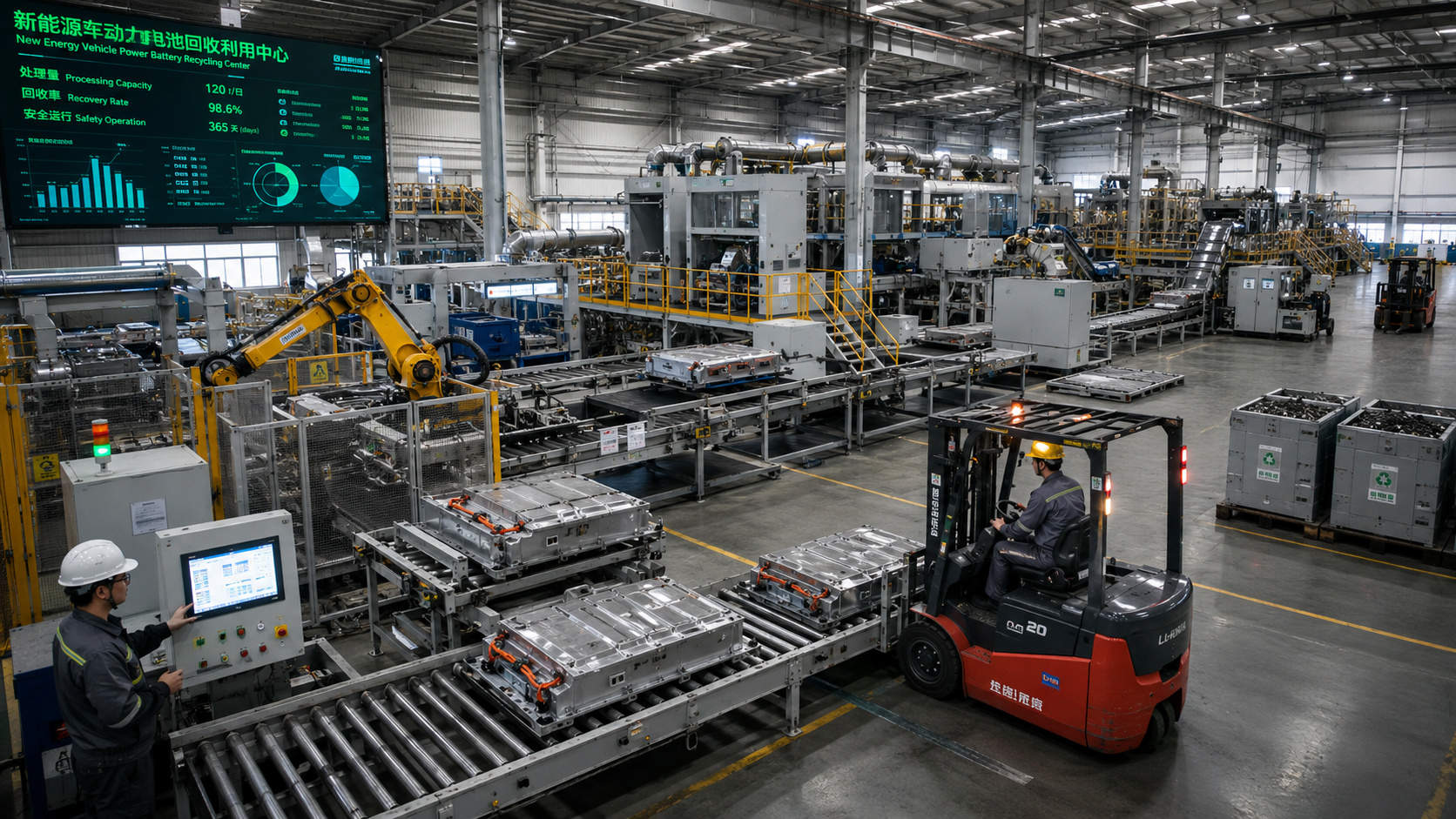
With the rapid growth of the global electric vehicle fleet, the demand for battery material reuse solutions continues to rise, making battery recycling as important as vehicle manufacturing. Batteries are the most expensive and complex components of electric vehicles, relying on strategic minerals such as lithium, cobalt, nickel, and manganese for production. The extraction of these minerals has sparked environmental, economic, and social controversies in many countries, making recycling a top priority for governments and manufacturers. Against this backdrop, China has built a significant competitive advantage.
According to data published by IT-Home and cited by the professional website CarNewsChina, Chinese enterprises have recovered up to 99.6% of nickel, cobalt, and manganese, and 96% to 98% of lithium from spent batteries. These figures exceed the European Union's target of approximately 90% recovery for critical metals by the end of this decade. China has also implemented strict national recycling standards formulated by the Ministry of Industry and Information Technology, enhancing the standardization of the entire strategic material reuse industry chain.
CATL, the world's largest battery manufacturer, operates over 200 recycling units nationwide through its subsidiary Brunp Recycling Technology and plans to expand capacity to process 1 million tons of spent batteries. The company employs automated systems and advanced material recovery technologies, including hydrometallurgical (acid leaching) processes, to extract high-purity, high-value metals and reintroduce them into the production chain, thereby reducing mining demand, lowering industry costs, and minimizing environmental impact. These standards are not limited to automotive batteries but also cover energy storage systems, maritime applications, and various industrial uses, establishing a cross-sector circular economy model.
In other markets, companies such as Redwood Materials in the United States possess technologies capable of recovering up to 95% of major metals from spent electric vehicle batteries, but operational scale remains a key challenge, with the infrastructure needed for large-scale processing still under construction. Changes in government incentive policies may also affect progress; the Inflation Reduction Act attempts to reduce reliance on the Chinese supply chain by designating recycled materials as domestic inputs to qualify for benefits. Even so, China's leading position remains solid in the short term. China is also actively participating in the development of international standards in this field, with approximately 40 Chinese experts currently involved in global technical committees responsible for formulating guidelines for battery recycling, reuse, and cascading utilization.
As millions of batteries reach the end of their lifespan, the ability to recover strategic materials will determine the sustainability of electric vehicles. China's experience demonstrates that innovation, reducing environmental impact, and enhancing economic strength can be achieved synergistically, while effectively countering the argument that batteries will become useless waste.
This article is compiled by Wedoany. All AI citations must indicate the source as "Wedoany". If there is any infringement or other issues, please notify us promptly, and we will modify or delete it accordingly. Email: news@wedoany.com
Related Products

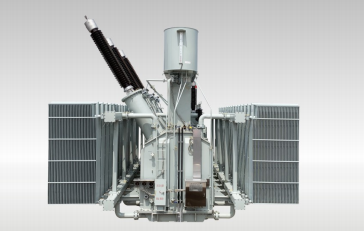
220kV and Below Voltage Level Energy-saving Oil-immersed Power Transformers
FuZhou TianYu Electric Co., Ltd.

CAP1400 main feedwater flow nozzle flowmeter.
Jiangsu Hongda Instrument Technology Co., LTD.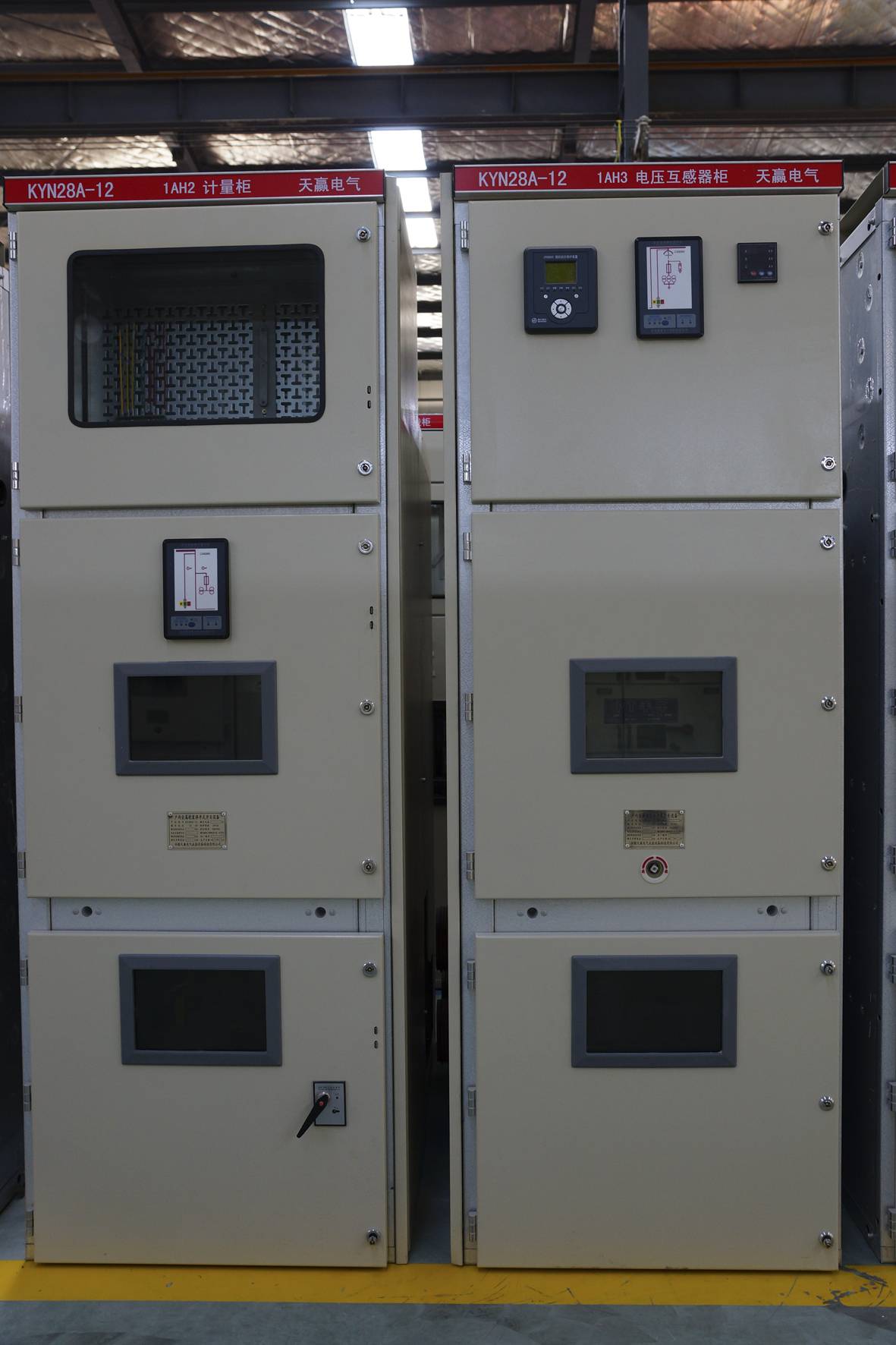
KYN28 - High Voltage Switchgear
Anhui Tianying Electrical Equipment Manufacturing Co., Ltd.
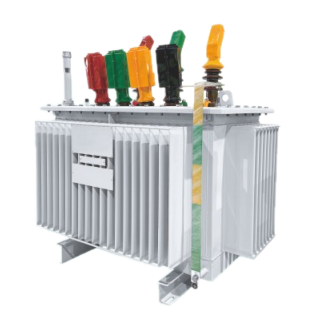
IS(B)□-M·RL Series Oil-immersed 3D Transformer (Planar / 3D Wound Core)
Guangdong Kehua Electric Power Technology Co., Ltd.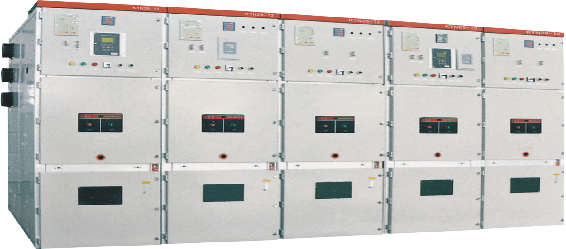
KYN28-12/24 Indoor High-Voltage Metal-Clad Removable Switchgear
Shenzhen Zhaoyang Hui Technology Co., Ltd.
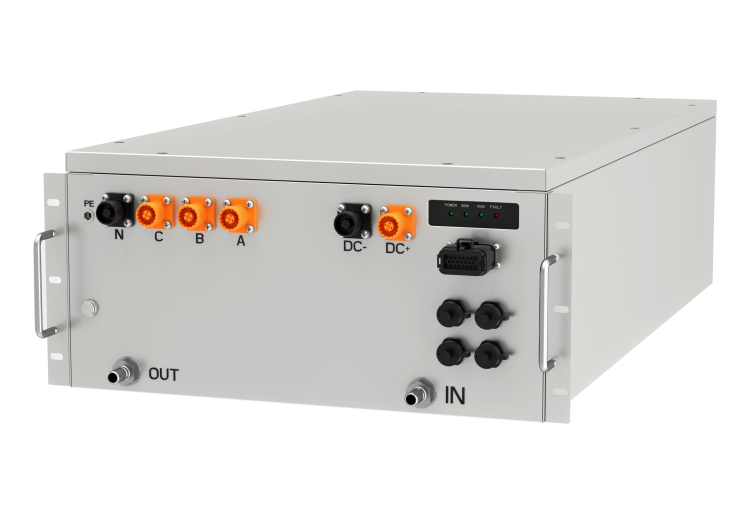
Mars (Liquid Cooling) Series Industrial and Commercial Energy Storage Converter High Protection Module
Shenzhen Winline Technology Co., Ltd.
Industrial and Commercial Point-Type Gas Detector
Jinan Benan Technology Development Co., Ltd.