en.Wedoany.com Reported - Denver, USA, is attempting to decarbonize downtown buildings using a system called a thermal energy network, which plans to combine geothermal energy and sewage heat to provide heating and cooling for 11 buildings, with construction costs potentially up to 75% lower than other decarbonization methods.
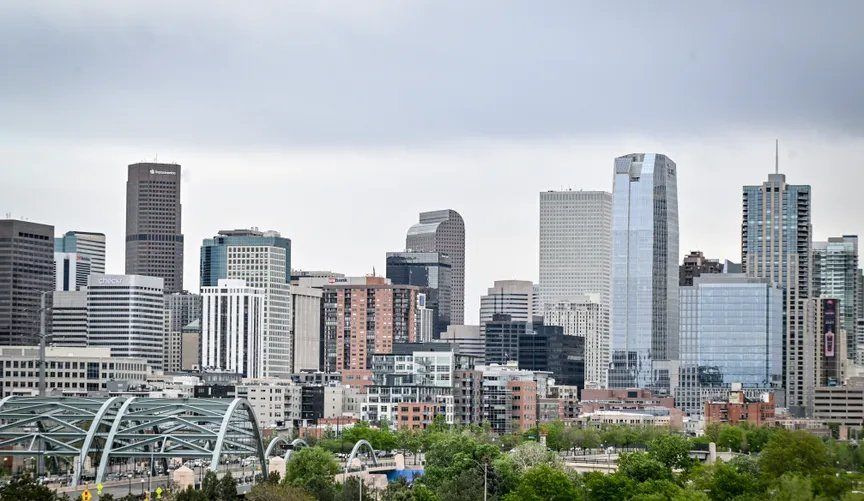
Buildings are Denver's largest source of climate pollution, with over 100 buildings currently relying on a commercial steam system built in the late 19th century for heating. This system burns natural gas and is inefficient with significant leakage. According to data from the Denver Climate Office, customer steam bills have more than doubled over the past decade due to rising maintenance costs, higher fossil fuel prices, and customer attrition. A 2021 city ordinance requires large buildings to reduce greenhouse gas emissions, but customers trapped in the aging steam system struggle to meet these standards.
To address this, the city plans to transform the old system into an "ambient loop" over the next decade, using water-filled pipes to connect buildings with relatively moderate water temperatures. Each building will be equipped with water-source heat pumps, which can transfer heat from the circulating water for heating or cooling. When a building is too hot, the heat pump releases heat into the water; when too cold, it absorbs heat from the water. Since buildings are connected on the loop, they can share energy—for example, excess heat from an art museum could be used by a municipal building.
The Cherokee Boiler House, located near downtown Denver, will serve as the system's hub. The city will drill hundreds of geothermal boreholes beneath a downtown parking lot, each over 1,000 feet deep, with pipes extending into them to exchange energy with the earth, acting as the network's battery. Additionally, Denver plans to utilize sewage heat. Dan Freedman, Director of Technology and Innovation at Metro Water Recovery, the city's wastewater treatment company, stated that warm wastewater contains heat, and under certain weather conditions, its heat content is about four times the amount needed for the current steam system to heat buildings during severe winters. By installing heat exchangers inside sewer pipes, the system will divert a portion of the sewage heat, which also helps the wastewater treatment company comply with state environmental regulations by cooling the discharge water.
According to a 2025 feasibility report, the loop's construction cost is estimated at $280 million to $320 million, but it could be up to 75% cheaper than other decarbonization methods and more economical and environmentally friendly than continuing to use the steam system. The project is funded by municipal funds and state grants. Denver will start small, piloting a micro version with two buildings and a sidewalk snow-melting system within about two years, connecting nine buildings by 2030. Mayor Mike Johnston stated that if the pilot succeeds, the system could be expanded to thousands of natural gas users downtown and serve as a model for decarbonizing dense urban areas in the United States.
This article is compiled by Wedoany. All AI citations must indicate the source as "Wedoany". If there is any infringement or other issues, please notify us promptly, and we will modify or delete it accordingly. Email: news@wedoany.com