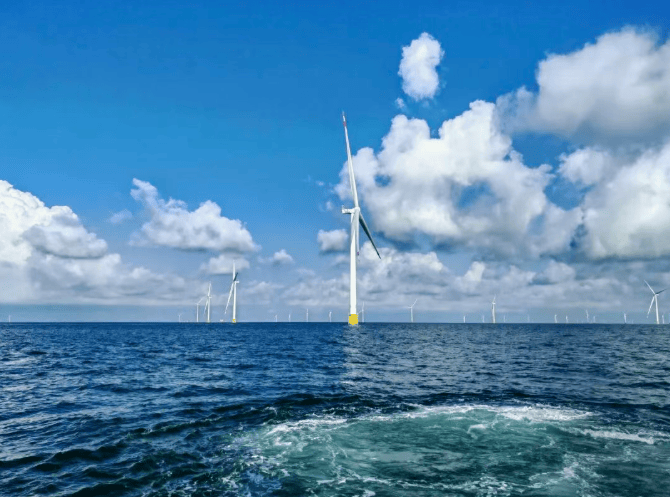
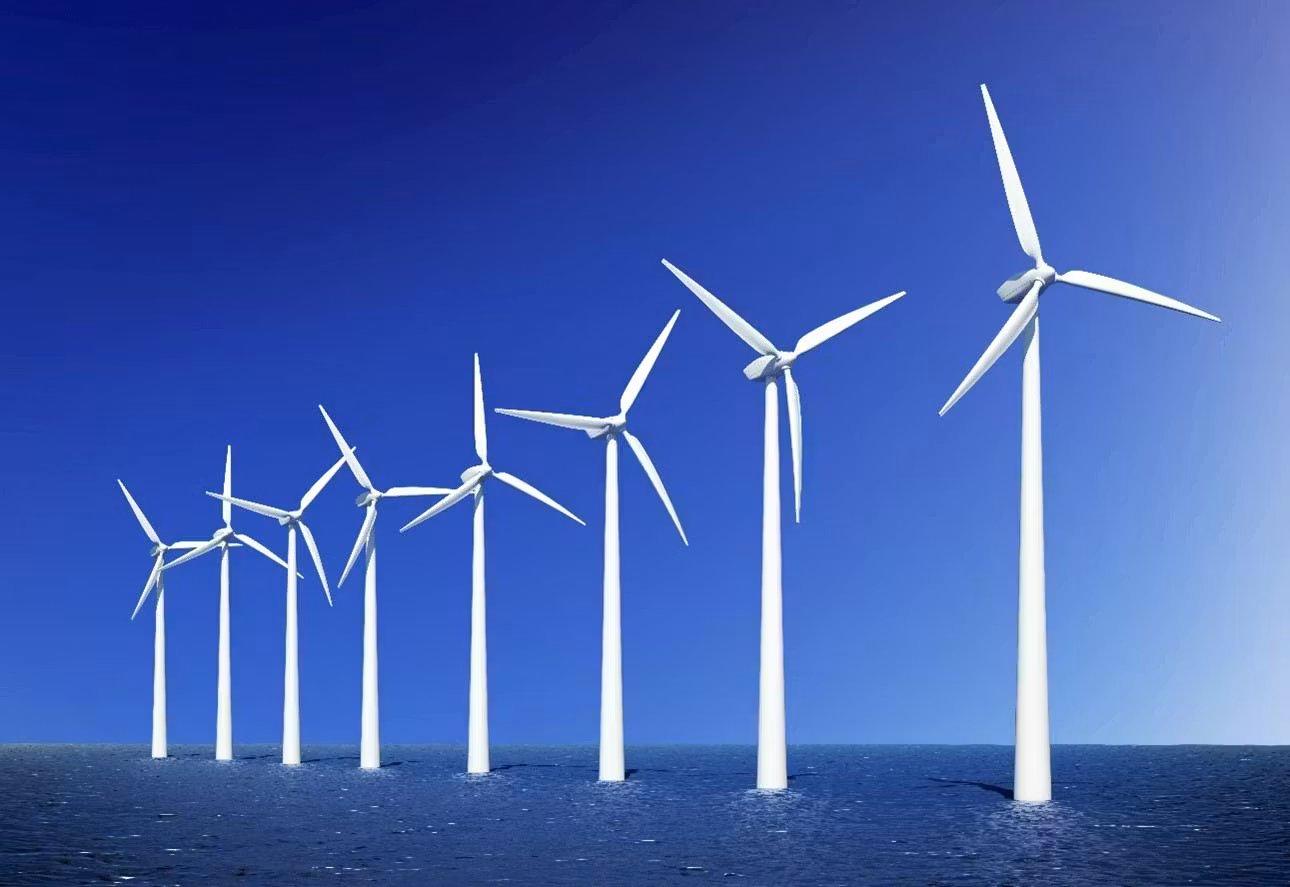
en.Wedoany.com Reported - The Baltica 2 offshore wind farm project in Poland has entered the offshore construction phase. This is the second offshore wind development project in Poland, a joint venture between Ørsted and Polish energy company PGE Polska Grupa Energetyczna. Located in a 190-square-kilometer area of the Baltic Sea, 40 kilometers from the nearest coast, the project plans to install 107 Siemens Gamesa 14 MW wind turbines, with a total installed capacity of 1.5 GW. Electricity will be transmitted to shore via four offshore substations.
Van Oord has begun installing 111 monopiles for the wind turbine foundations and the four offshore substations, while Cadeler and Fred. Olsen Windcarrier are responsible for turbine installation. All facilities are expected to be operational by the end of next year.
Ørsted has commissioned Acteon's UTEC Geo-Services business line to provide design, procurement, installation, and commissioning of measurement and data acquisition systems for structural monitoring of the monopile foundations. Over the past six years, UTEC has served Ørsted on multiple offshore wind projects in Taiwan, the UK, and Germany, including corrosion and anode monitoring for monopiles and substation jacket substructures, as well as other data services.
The initial measurement scope for the Baltica 2 contract covers load, corrosion, tilt, and pile driving monitoring for the monopiles, later expanded to include additional data analysis during pile driving. Brian Taylor, Global Sales Director of UTEC Geo-Services, told Offshore that while all components have been delivered by Acteon before, the overall solution is unique to the Baltica 2 project.
Regional and environmental factors are influencing the deployment of monitoring technologies. Carlos R. Huerta, Structural Monitoring Installation and Commissioning Manager, added that the most notable difference between this operation and most projects delivered for the North Sea is the installation sequence to which the monitoring system must adapt. In the Baltica 2 project, instrumentation installation occurs earlier in the project lifecycle. Monopiles are fabricated, instrumented, sealed, and prepared at the manufacturing yard, then floated and towed to the site, with no subsequent opportunity to install or modify instruments. The monitoring system must be installed, tested, and verified much earlier than the typical installation phase for many North Sea projects.
Another distinctive feature of this project is that the monopiles will be partially submerged, floated, and towed over long distances to the wind farm site with monitoring equipment already in place. John Hill, General Manager of UTEC Structural Monitoring, stated that the installed system must withstand tow-out loads, mechanical handling, and significant acceleration forces during pile driving hammering, with no opportunity for rework once offshore installation begins. Since the system is installed before tow-out and offshore operations commence, the project places high importance on getting it right the first time and ensuring robustness from the outset.
Despite the different delivery sequence, Hill noted that Acteon applies the same core structural health monitoring technology on Baltica 2 as on North Sea projects, ensuring consistency in monitoring methods and data over the 25- to 30-year asset lifespan.
Low temperatures and icing risks in the Baltic Sea affect installation conditions during the onshore manufacturing phase. Acteon's sensors use a non-intrusive adhesive mounting method, which requires curing under controlled conditions for reliable long-term bonding. In winter conditions, monopiles are enclosed and internally heated during the manufacturing stage to allow sensor installation and commissioning under suitable conditions before sealing and preparation for tow-out. Since instruments are installed prior to float-out towing, verification at this stage is critical. Acteon conducts dolly testing alongside sensor installation, installing test samples under identical environmental conditions and confirming adhesive strength development through pull-off tests. This quality assurance process is applied across Acteon's global projects, but in the Baltica 2 project, it is carried out under colder environmental conditions, before long-distance towing and handling.
Sandip Ukani, Global Technology and IT Director of UTEC Monitoring, stated that the Baltica 2 project has demonstrated the practical value of upfront installation assurance. In cases where monitoring equipment must be installed early and passed through a complex logistics chain without further access, a controlled installation environment and quantitative dolly testing provide measurable evidence before the monopiles leave the manufacturing yard. The operation also stands out for the breadth and integration of the monitoring scope, combining pile driving monitoring, long-term structural health monitoring, and corrosion and anode efficiency measurements into a coordinated program. As the project progresses, data will support confirmation of design assumptions and inform decisions for the design, construction, and lifecycle performance of future offshore wind projects.
Taylor added that the delivery of the Baltica 2 scope leverages UTEC's full capabilities, from design and engineering to construction and manufacturing, logistics, delivery across multiple manufacturing yards and offshore sites, and digital connectivity. Ukani also mentioned that Acteon's engineering consultancy, 2H, provides partial data analysis within the expanded pile driving monitoring scope.
The monitoring system is designed around the pile and turbine, without relying on pre-existing knowledge provided by the client, using only the design information necessary to develop and install the monitoring solution. UTEC is commissioned to provide the measurement system, ensuring data is captured and securely transmitted to Ørsted's data team. The system includes design, specification, procurement, integration, and commissioning of the monitoring system based on Ørsted's requirements. Load and acceleration will be measured as part of the pile driving process, and sensors will continue to provide data throughout the wind farm's lifespan.
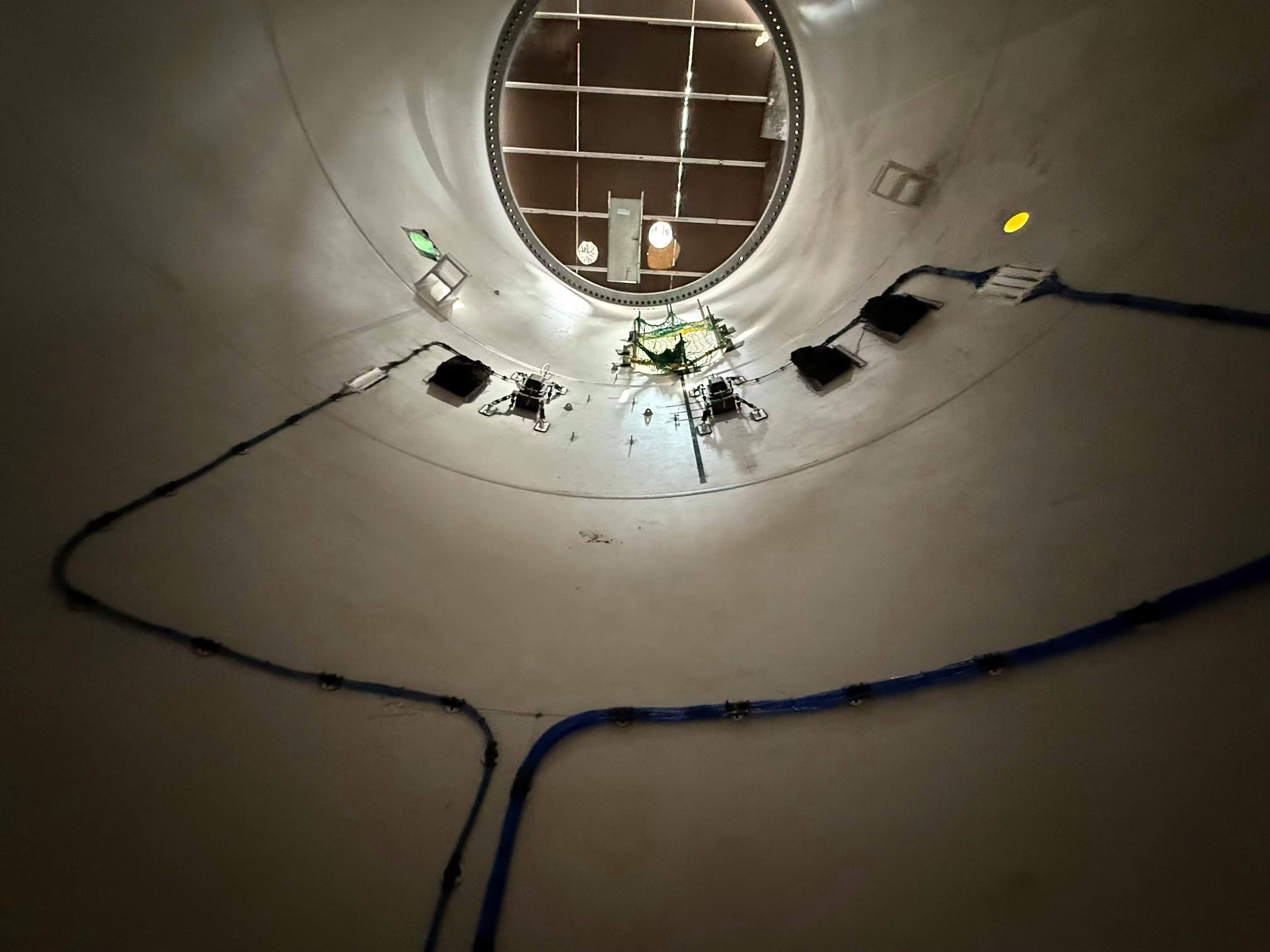
Monitoring and analysis also extend to settlement, corrosion, and anode efficiency, with data integrated in real-time through Acteon's NX2 digital platform, providing Ørsted with structural integrity information. The NX2 digital platform comprises multiple hardware and software components. This scope includes hardware for measuring structural loads and ongoing corrosion and anode efficiency monitoring. Data is collected in three phases: the first phase involves monopile corrosion and anode efficiency monitoring; monitoring continues after the installation of the Suspended Internal Platform; after turbine installation, the system will also monitor load and tilt, connect to a local power source, and link back to the client's data center via the network, providing comprehensive monitoring data throughout the wind farm's lifespan.
This article is compiled by Wedoany. All AI citations must indicate the source as "Wedoany". If there is any infringement or other issues, please notify us promptly, and we will modify or delete it accordingly. Email: news@wedoany.com