Qualcomm and Others Launch Edge AI Collaboration to Improve Wildfire and Extreme Weather Response
en.Wedoany.com Reported - Qualcomm Technologies, in collaboration with San Diego Gas & Electric (SDG&E) and the Scripps Institution of Oceanography at the University of California San Diego, is deploying the Edge Alert Sentinel system (EAS), an early warning solution based on on-site edge artificial intelligence, designed to demonstrate how edge AI can support grid reliability, emergency preparedness, and climate resilience.
Southern California faces some of the most complex wildfire and extreme weather risks in the United States, with Santa Ana winds, drought, and rugged terrain combining to create rapidly changing and unpredictable conditions. Traditional monitoring systems rely on remote cloud processing, which can introduce delays during severe weather or emergencies. The EAS system integrates environmental sensors, edge AI computing, and atmospheric science to generate analysis results instantly at the data collection point, avoiding delays caused by transmitting data to remote data centers. The first system has been installed on Palomar Mountain and is already analyzing wind, weather, and environmental data to detect conditions affecting wildfire behavior and extreme weather earlier.
"For nearly two decades, our region has avoided catastrophic, electric-caused wildfires because we chose to get ahead early and never stop looking forward," said Scott Crider, President of SDG&E. "Edge Alert Sentinel reflects that same mindset. By partnering with Qualcomm Technologies and UC San Diego, we are bringing together world-class technology and science so that intelligence exists where the risk is—on the front lines—making communities safer." Nakul Duggal, Senior Vice President and General Manager of Automotive, Industrial and Embedded IoT, and Robotics at Qualcomm Technologies, stated that by combining on-site AI with advanced sensing and connectivity, the system delivers faster, more reliable insights as conditions change, helping responders assess risks and take action. Frank Vernon, Director of the High Performance Wireless Research and Education Network at UC San Diego's Scripps Institution of Oceanography, noted that Scripps has been conducting real-time observations across San Diego County since the millennium, accumulating a rich dataset. With new on-site AI capabilities, they are moving beyond observation to predict impacts in real time—at the exact moment and location where danger emerges. This becomes possible when industry combines operational scale, real-world deployment experience, and community needs with the scientific rigor and long-term observational records of academia.
At the core of this deployment is a ruggedized edge AI gateway platform powered by the Qualcomm Dragonwing IQ9 processor. This is a multi-core application processor equipped with a neural processing unit, capable of performing up to 100 trillion operations per second. The system utilizes Qualcomm's Edge Impulse MLOps platform to run on-device models for predicting conditions that could affect infrastructure on the power grid serving residential areas, and transmits monitoring data and alerts to the control center via SDG&E's dedicated cellular network. Qualcomm and SDG&E are also collaborating to integrate AI directly onto field devices for automated inspection of critical utility infrastructure through autonomous aerial operations.
The EAS project brings together resources from industry and academia to build a continuous loop of real-time data, on-site AI analysis, and actionable insights, aiming to transform rapidly changing conditions into timely actions. During the upcoming public safety power shutoff season, the performance of the Palomar Mountain deployment will be evaluated, with plans to expand the technology to additional sites starting next year. Insights from the pilot phase will inform expanded and enhanced modeling capabilities, with a target for broader rollout in 2027. The collaboration will also explore joint training to support emergency preparedness in Southern California and other regions facing similar risks.
Although the system was initially developed in Southern California, the approach is designed to be scalable to other regions facing increasingly frequent and severe climate-driven events, where real-time, location-specific intelligence can improve decision-making under stress.
This article is compiled by Wedoany. All AI citations must indicate the source as "Wedoany". If there is any infringement or other issues, please notify us promptly, and we will modify or delete it accordingly. Email: news@wedoany.com
Related Products

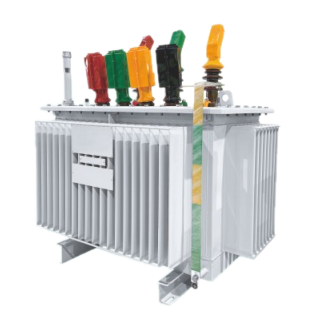
IS(B)□-M·RL Series Oil-immersed 3D Transformer (Planar / 3D Wound Core)
Guangdong Kehua Electric Power Technology Co., Ltd.

Environmentally Friendly Flame-retardant PVC Double-layer Insulated Wire
Sichuan Chndo Cable Co., Ltd.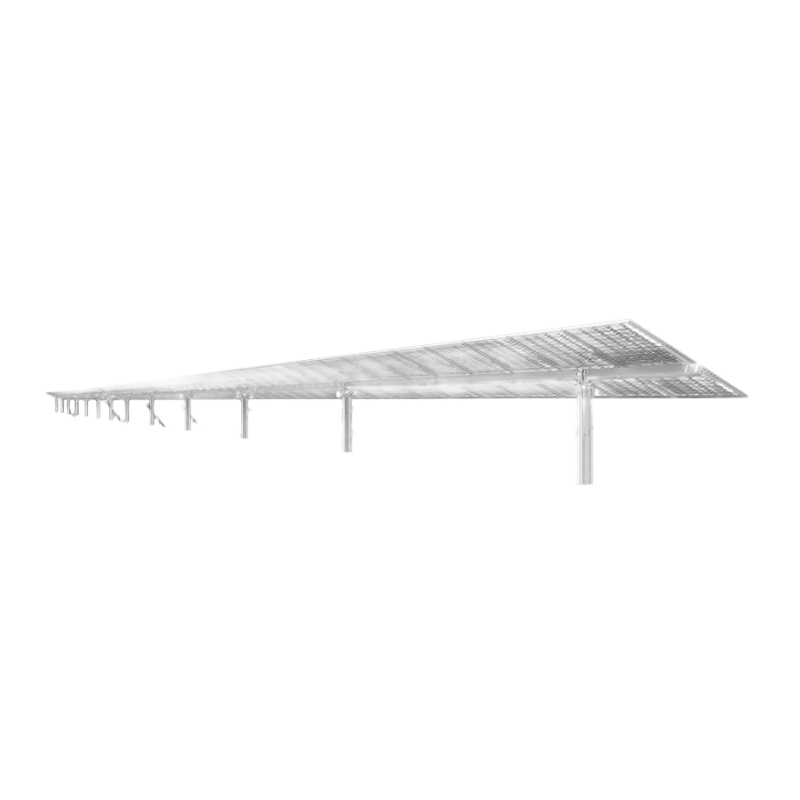
TAI Slew-drive Single-axis Independent 1P Tracking Bracket System
ANTAI TECHNOLOGY CO., LTD.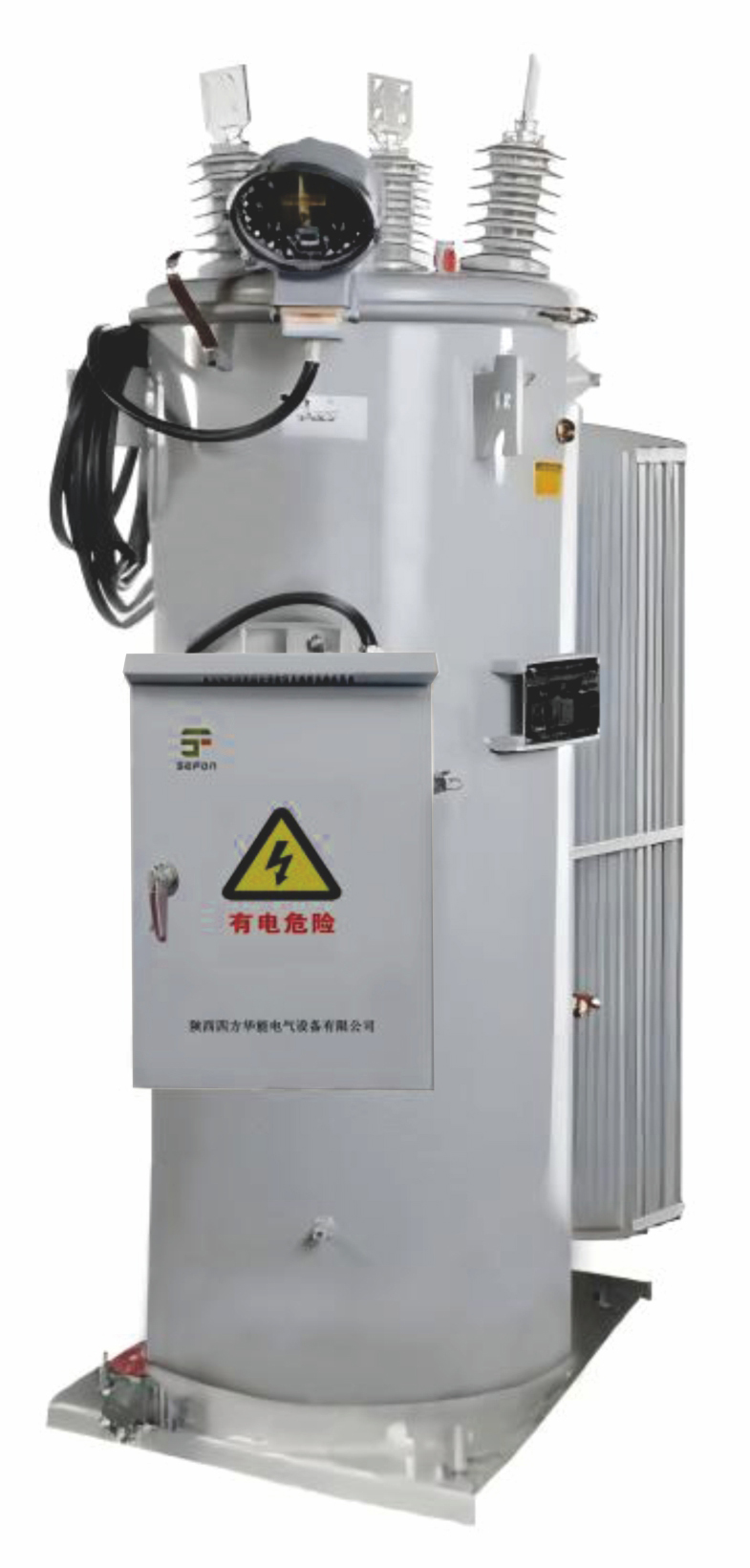
Single-Phase Automatic Voltage Regulator(AVR)
Shaanxi Sefon Electrical Equipment Co.,Ltd.
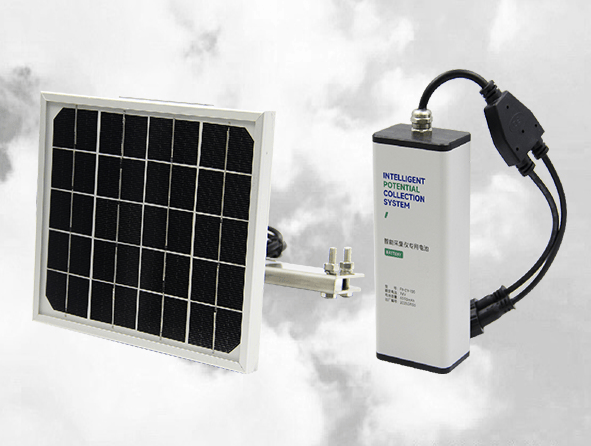
Inductive Power Harvesting Self-Powered Device - Safuneng
SELF ENERGY TECHNOLOGY (SHENZHEN) CO., LTD.
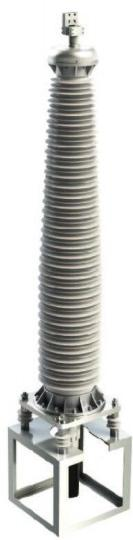
220kV Composite Outdoor Cable Terminal
Shenyang Guolian Cable Accessories Manufacture Co., Ltd.