en.Wedoany.com Reported - The Department of Emergency Management of Shanxi Province, the Department of Natural Resources of Shanxi Province, and the Shanxi Bureau of the National Mine Safety Administration jointly issued the "Guiding Opinions on Strengthening Infrastructure Construction in Non-Coal Mines to Promote High-Quality Development" (Jin Ying Fa [2026] No. 143) on June 1, 2026. Centered on the goal of "replacing manual labor with mechanization and reducing personnel through automation," the document outlines five key tasks for new (renovated, expanded) mines and existing mines, respectively: infrastructure construction, mechanization of excavation and extraction equipment, automation of auxiliary facilities, communication network coverage, and establishment of monitoring and early warning systems. This aims to enhance the inherent safety level of non-coal mines in Shanxi Province.
The Department of Emergency Management of Shanxi Province is a constituent department of the Shanxi Provincial People's Government, responsible for comprehensive supervision of work safety and emergency management within the province. The Department of Natural Resources of Shanxi Province is responsible for the survey, monitoring, confirmation, registration, and management of mineral resources in the province. The Shanxi Bureau of the National Mine Safety Administration is the provincial agency of the National Mine Safety Administration, legally exercising mine safety supervision functions. This guiding opinion is formulated based on the "Opinions of the General Office of the CPC Central Committee and the General Office of the State Council on Further Strengthening Mine Safety Production" and the "Measures of the CPC Shanxi Provincial Committee and the Shanxi Provincial People's Government on Further Strengthening Mine Safety Production."
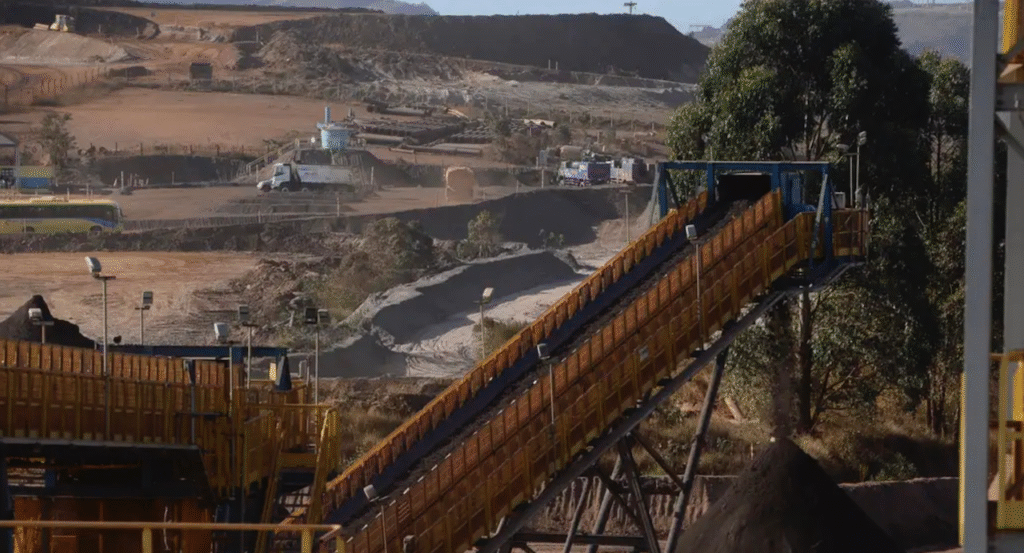
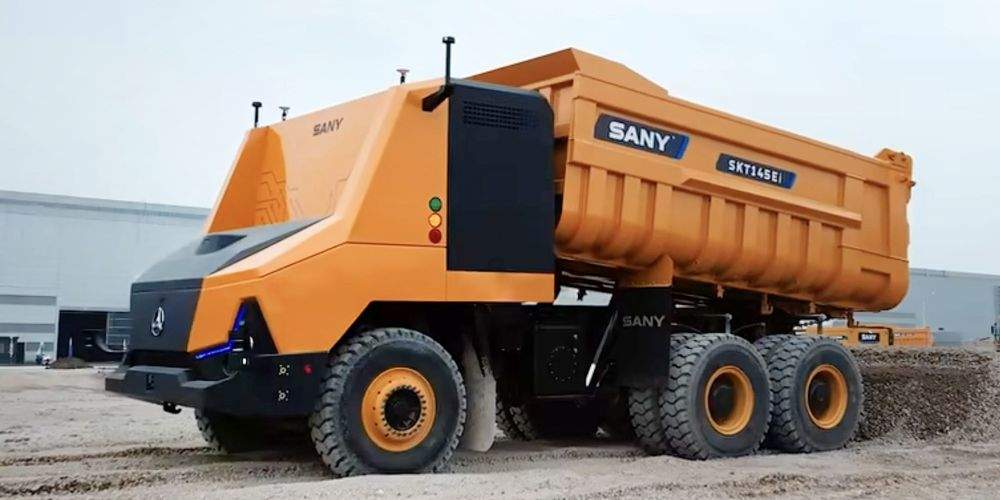
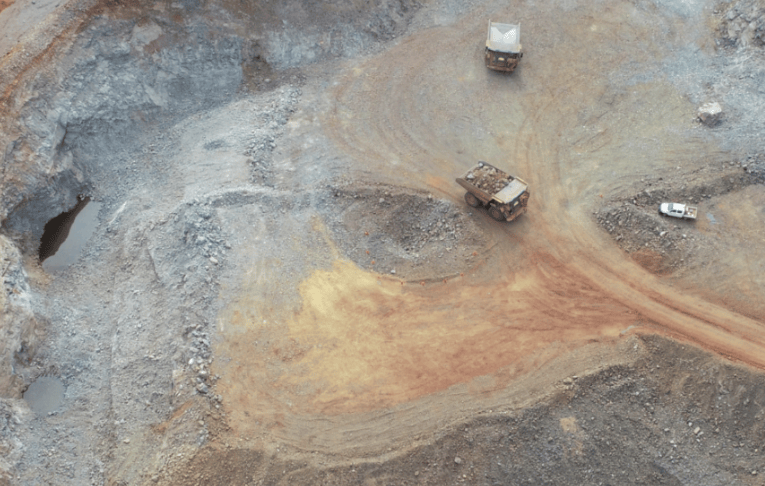
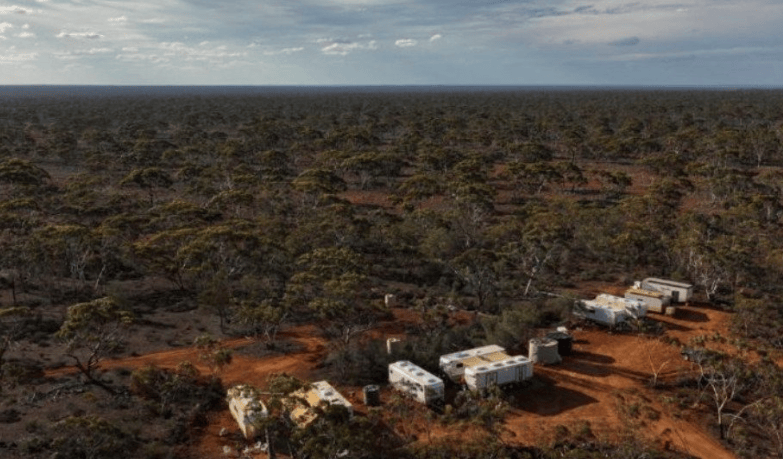
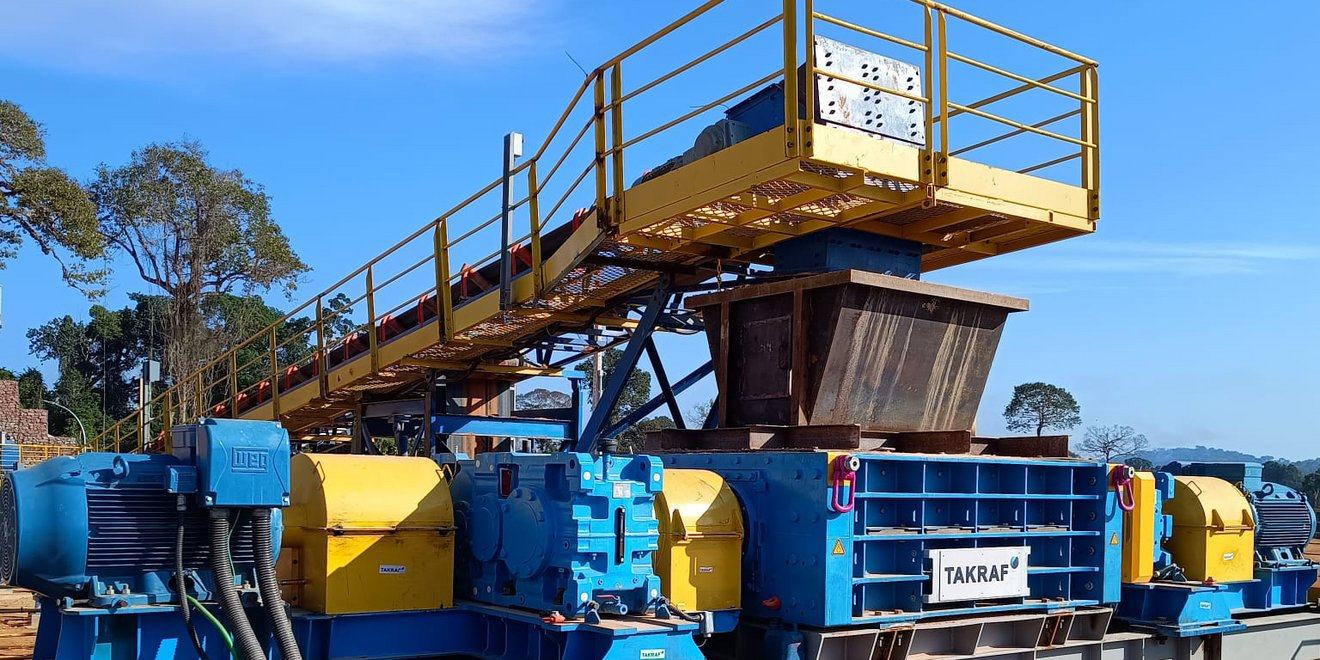
Regarding infrastructure construction standards, new (renovated, expanded) mines must construct a canteen, bathhouse, activity center, and dormitory with supporting water, electricity, heating, and network facilities, and are prohibited from using simple structures such as mobile houses or containers (except during the construction period). Underground mine dispatch rooms must integrate six major systems—monitoring and control, personnel positioning, emergency refuge, compressed air self-rescue, water supply rescue, and communication—along with emergency broadcasting and monitoring and early warning equipment. Each shift must have at least two dispatchers on 24-hour duty. In terms of mechanization of excavation and extraction equipment, new (renovated, expanded) underground mines must adopt mechanized equipment such as drilling jumbos, charging jumbos, rock bolting jumbos, scaling jumbos, shotcrete jumbos, load-haul-dump (LHD) units, and mucking machines for core processes including drilling, charging, scaling, support, and mucking. Open-pit mines must adopt equipment such as down-the-hole drills, rotary drills, charging jumbos, excavators, and mining trucks. For automation of auxiliary facilities, fixed equipment such as hoisting, transportation, drainage, ventilation, and backfilling in underground mines must be remotely controlled, and belt conveying equipment must be inspected by robots. The use of drones for enhanced mine inspection, surveying, and 3D modeling in open-pit mines is encouraged.
Regarding communication networks, underground mines must achieve full network coverage in key areas such as excavation and extraction faces, main roadways, controlled zones, and office spaces. Open-pit mines must achieve full network coverage in key areas such as open pits, haul roads, waste dumps, and crushing stations. For monitoring and early warning systems, non-coal underground mines and open-pit mines (including waste dumps) with a current slope height of 150 meters or more must integrate safety monitoring and control, precise personnel positioning, and slope monitoring data into provincial and national online monitoring and early warning systems. Underground mines with a mining depth of 800 meters or more must establish an online ground pressure monitoring system.
The issuance of this guiding opinion provides a systematic policy framework for infrastructure construction and mechanization and automation upgrades of non-coal mines in Shanxi Province. It clarifies the requirements for new, renovated, and expanded mines to have the conditions for mechanized and automated operation from the source, and proposes a "one mine, one policy" upgrade and transformation model for existing mines.
This article is compiled by Wedoany. All AI citations must indicate the source as "Wedoany". If there is any infringement or other issues, please notify us promptly, and we will modify or delete it accordingly. Email: news@wedoany.com