Finland's Korkia Secures Grid Connection Permit for 273 MW Solar-Storage Project in Romania
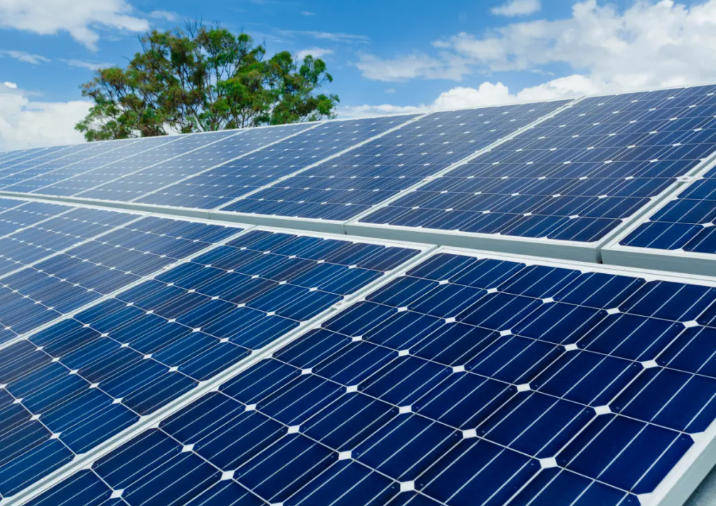
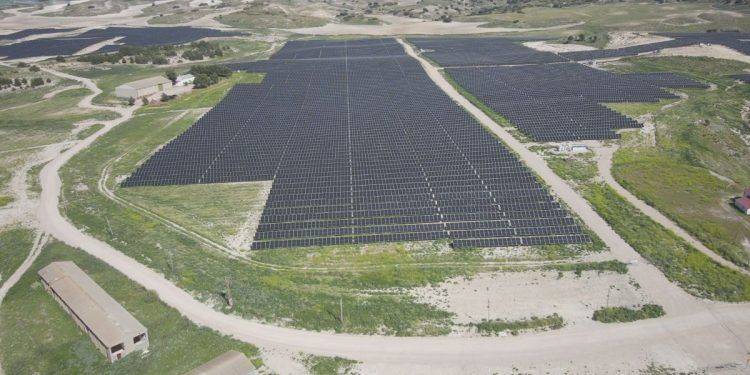
en.Wedoany.com Reported - Recently, Korkia, a Finnish renewable energy investor and developer, announced that it has obtained a grid connection permit for its Iron Gates solar-storage hybrid project portfolio in Caraș-Severin County, southwestern Romania. The portfolio comprises two solar and battery storage projects, with a combined solar photovoltaic capacity of 273 MW, paired with a 250 MW battery energy storage system.
The permit was issued in May by Transelectrica, Romania's transmission system operator. It is a technical grid connection permit in the local power project development process, specifying the technical and economic conditions for connecting the project to the grid, and providing a critical pathway for the project to reach a construction-ready status. The Iron Gates project portfolio is located in southwestern Romania, a region close to multiple cross-border energy corridors and traditional power infrastructure, offering a suitable foundation for developing renewable energy and storage assets. By securing the connection rights ahead of Romania's grid connection rule reforms, Korkia has achieved practical risk control for the project. Romania is adjusting its grid capacity allocation mechanism, which will introduce stricter financial guarantees, project advancement obligations, and competitive allocation methods to reduce speculative queuing and improve grid resource utilization efficiency. Obtaining the grid connection permit before the full implementation of the new rules means the Iron Gates project has a relatively clear access pathway, allowing it to proceed with subsequent steps such as land acquisition, financing, equipment procurement, construction, and final investment decisions.
Romania is emerging as one of the faster-growing renewable energy markets in Central and Eastern Europe. With the recovery of electricity demand, growth in industrial loads, the push for EU emission reduction targets, and heightened energy security awareness, Romania needs to establish a more stable construction rhythm across wind power, solar photovoltaics, energy storage, and grid upgrades. When solar projects are connected to the grid independently, their concentrated daytime output can create scheduling pressure on local networks. By pairing with battery storage, the project can absorb electricity during periods of high solar output and release power during evening peaks or system stress, thereby enhancing grid flexibility and renewable energy integration capacity. If the Iron Gates portfolio progresses smoothly, it will drive demand for supporting components such as solar modules, storage batteries, inverters, step-up substations, energy management systems, fire safety equipment, grid connection controls, and long-term operations and maintenance, while also establishing a more mature integrated solar-storage project model in southwestern Romania.
Korkia had previously obtained grid connection permits for 320 MW of solar and 303 MW of storage capacity in its Alexandria project portfolio in Romania. With the advancement of the Iron Gates portfolio, the company has now advanced nearly 600 MW of solar and over 550 MW of storage projects to a relatively mature development stage in Romania. Subsequent variables will focus on project financing, construction permits, equipment procurement, grid connection implementation, and market-based power sales arrangements. If the projects proceed into construction as planned, Romania will gain a stronger project demonstration effect in the Central and Eastern European solar-storage market, and will also provide a clearer execution pathway for foreign developers participating in the construction of local renewable energy assets.
This article is compiled by Wedoany. All AI citations must indicate the source as "Wedoany". If there is any infringement or other issues, please notify us promptly, and we will modify or delete it accordingly. Email: news@wedoany.com
Related Products

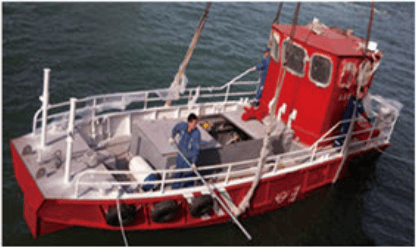
Electromagnetic Fluid Seawater Floating Oil Separation and Recover Equipment
Huate Magnet Group Co., Ltd.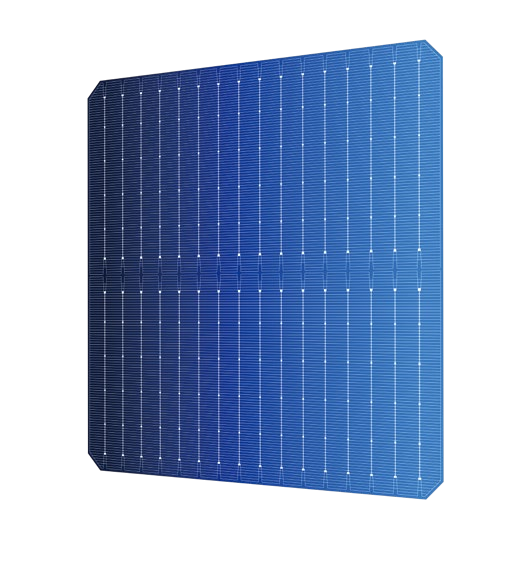
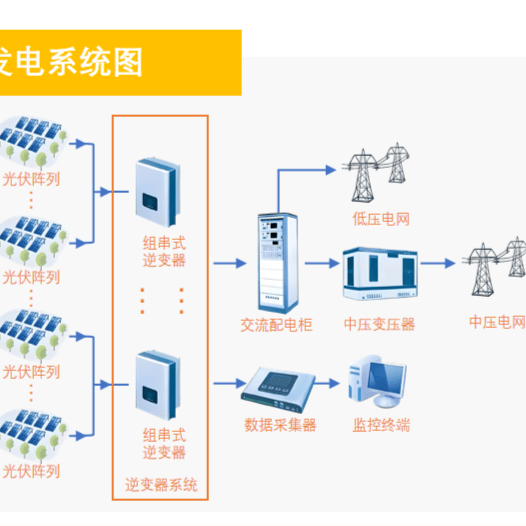
Photovoltaic and Wind Power Generation Technology
Beijing Boqi Electric Power SCI-TECH Co., Ltd.
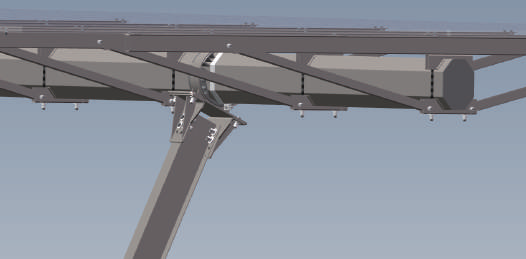
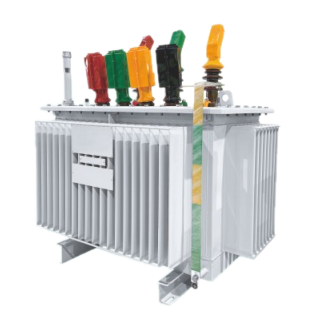
IS(B)□-M·RL Series Oil-immersed 3D Transformer (Planar / 3D Wound Core)
Guangdong Kehua Electric Power Technology Co., Ltd.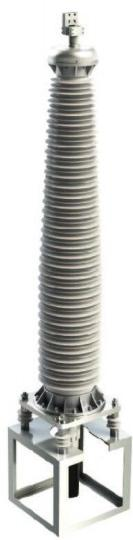
220kV Composite Outdoor Cable Terminal
Shenyang Guolian Cable Accessories Manufacture Co., Ltd.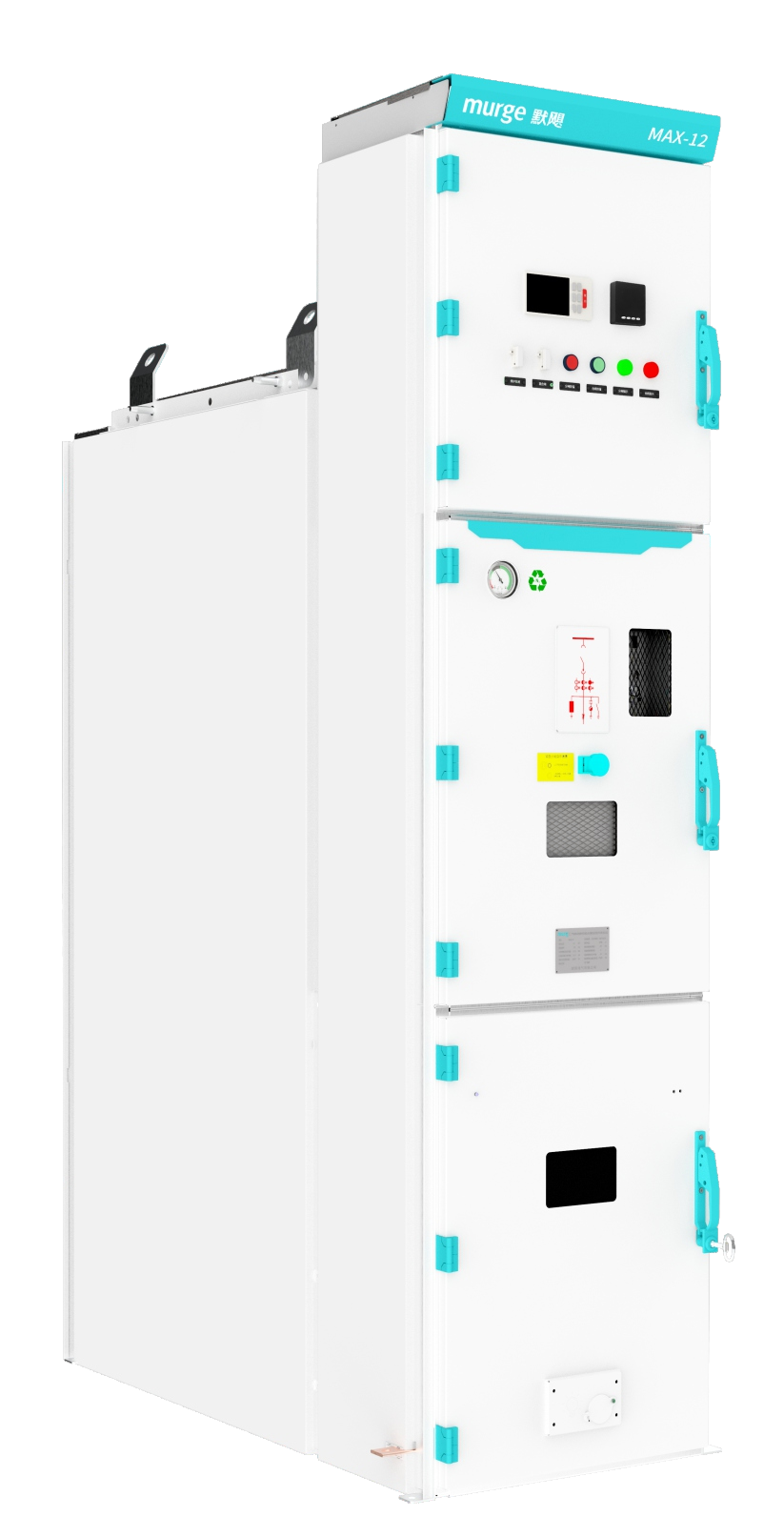
MAX-12 series Environmental Protection/SF6 gas insulated switchgear (C-GIS)
Murge Electric Co.,Ltd.
Standard Nozzle Flowmeter
Jinggong Automatic Control Instrument Complete Technology Development Company
Perfluorinated Ionic Membrane-CM-10N Series Membrane
Guizhou Juneng Century Technology Co., Ltd
80kW Megawatt Supercharging Module TH80F10030C9
Shijiazhuang Tonhe Electronics Technologies Co., Ltd.