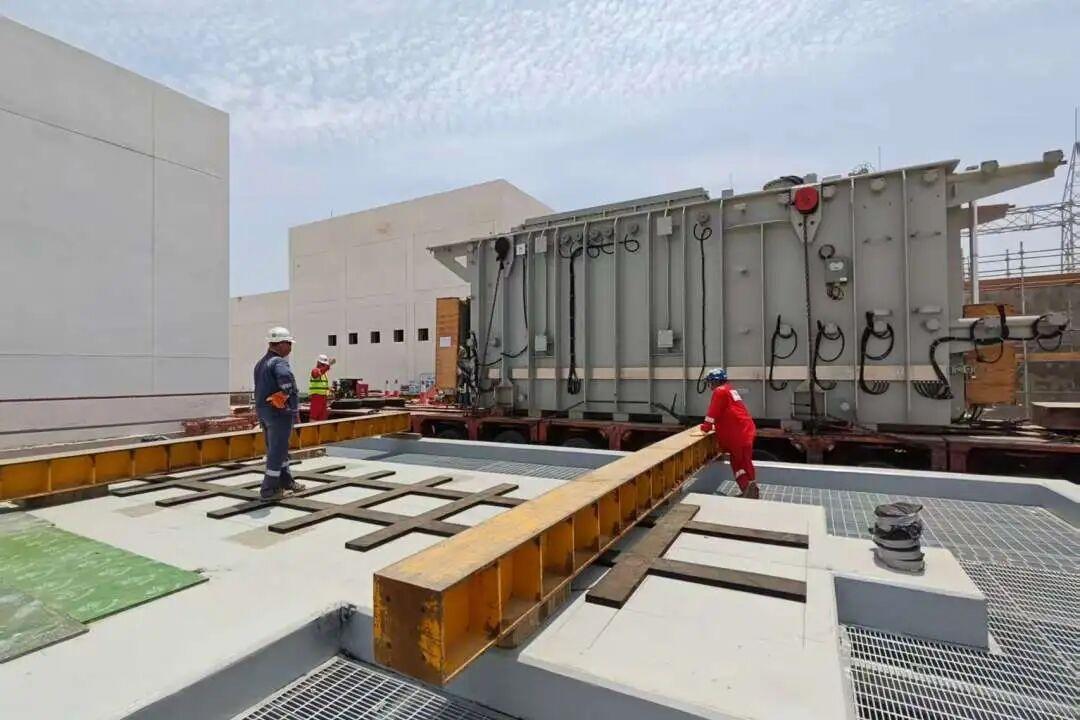
en.Wedoany.com Reported - National Grid has installed shunt reactors at three substations in Cottam, Nottinghamshire; Wylfa, Anglesey; and Willington, Derbyshire. Each unit weighs approximately 130 tonnes, is over 7 metres in length and nearly 4 metres in height, and is used to improve voltage stability and operational efficiency of the transmission network.
A shunt reactor is a high-voltage electrical device that absorbs excess reactive power in an alternating current (AC) transmission network. Its key advantages include reliable voltage regulation, enhanced system performance, flexible support for renewable energy integration, and extending the lifespan of assets such as transformers and switchgear by reducing electrical stress, thereby lowering maintenance costs.
The National Energy System Operator (NESO) is responsible for managing transmission system voltage and maintaining appropriate reactive power levels. Rising renewable energy generation and changes in electricity demand patterns are driving shifts in reactive power requirements. National Grid's new reactors will assist NESO in minimising overall grid balancing costs within system management.
The deployment of the equipment serves specific regional functions at each location: In Cottam, Nottinghamshire, the shunt reactor manages voltage stability following the decommissioning of Cottam Power Station; in Wylfa, Anglesey, it supports the North Wales grid by maintaining voltage stability and aids the Dinorwig to Pentir project, which is replacing infrastructure installed in the 1970s and increasing grid capacity; in Willington, Derbyshire, the shunt reactor supports substation expansion.
The installation schedule is as follows: the Cottam unit was energised in March, Wylfa in April, and Willington will be commissioned in May. These upgrades are part of National Grid's broader investment in the transmission network, with a planned £31 billion over the next five years for modernisation and infrastructure upgrades.
Paul Gallagher, Director of Operations at National Grid, stated that shunt reactors play a crucial role in ensuring a stable and reliable electricity supply, and that the team completed this complex activity on time and within budget through extensive planning and coordination. He noted that this is just part of the broader work to maintain and upgrade the grid, aimed at ensuring it is resilient and fit for future energy needs.
This article is compiled by Wedoany. All AI citations must indicate the source as "Wedoany". If there is any infringement or other issues, please notify us promptly, and we will modify or delete it accordingly. Email: news@wedoany.com