en.Wedoany.com Reported - Major oil producers in the Middle East are reducing their reliance on single transport routes and ensuring the stability of crude oil exports by expanding pipelines and export terminals. Iraq has approved increasing the capacity of the Kurdistan-Turkey pipeline from 220,000 barrels per day to 770,000 barrels per day, while the UAE is accelerating the construction of the West-East pipeline to Fujairah, which is expected to double Abu Dhabi's crude oil export capacity upon completion in 2027.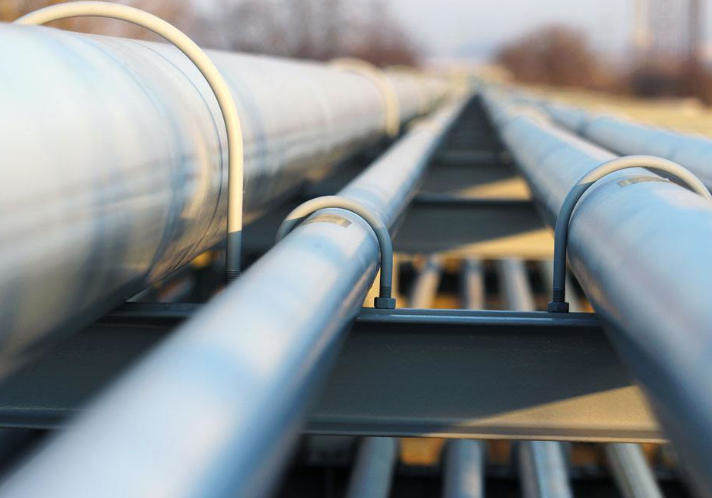
These expansion projects extend the Middle East's crude oil export capacity beyond traditional maritime routes, enabling oil-producing countries to maintain crude oil transportation during shipping disruptions, protect export revenues, and support continued investment in pipeline, storage, and logistics infrastructure.
The advancement of new export routes directly drives demand for pipelines, engineering, and logistics services. Unlike short-term oil price fluctuations, pipeline expansion projects generate sustained expenditures over several years, potentially benefiting infrastructure suppliers more directly than oil producers. The expansion plans in Iraq and the UAE are progressing on schedule, and are expected to continue providing stable contract orders for pipeline operators, engineering contractors, storage providers, and energy logistics service providers through 2027. Additionally, existing facilities such as Saudi Arabia's East-West pipeline collectively form the supplementary capacity of the regional export network.
Large-scale pipeline projects depend on permits, financing, and government approvals, making timelines uncertain. Project delays or reduced transportation risks could weaken demand for new export facilities, thereby affecting the market prospects of pipeline, storage, and logistics assets. The spending plans of national oil companies, engineering contract awards, project completion timelines, and updates from energy agencies are key signals for assessing whether infrastructure investment will be sustained.
This article is compiled by Wedoany. All AI citations must indicate the source as "Wedoany". If there is any infringement or other issues, please notify us promptly, and we will modify or delete it accordingly. Email: news@wedoany.com