On June 10, Energy Going Global Enters the System Competition Phase: Chinese Companies Cannot Rely Solely on Equipment and EPC to Capture Markets
en.Wedoany.com Reported - The core signal from energy engineering news on June 10 is not the continued expansion of a single market, but that global energy projects are shifting from "building more installed capacity" to "building energy systems that are simultaneously acceptable to capital, load, regulation, and local industries." This means the competitive threshold for Chinese energy engineering companies going global is rising: in the past, advantages were gained through equipment prices, EPC speed, and supply chain completeness; now, they must simultaneously address more complex issues such as green power offtake, energy storage dispatch, hydrogen absorption, deepwater oil and gas development, grid connection, environmental approvals, data center load, and local partnership structures.
The first set of signals comes from the financing and load binding of renewable energy projects. Grenergy launches Elena, the largest battery energy storage plant in the Americas in Chile, with a capacity of 3.5 GWh shows that new energy development in northern Chile is no longer limited to photovoltaic power stations themselves, but provides round-the-clock dispatchable power in the form of "solar + storage." Elena has an initial capacity of 3.5 GWh, with future plans to expand to 7 GWh, and is integrated into the Atacama Oasis project system. This points to new energy projects transitioning from intermittent resource assets to stable power infrastructure supporting mining, data centers, and industrial users. A similar logic appears in US-based Zelestra signs 180MWdc solar power purchase agreement with Meta, where Meta and Zelestra's cooperation now covers approximately 1.4 GWdc of solar projects. Tech companies are directly binding data center loads with new renewable energy projects through long-term power purchase agreements.
The second set of signals comes from changes in energy project development models. South Africa's Eskom Green launches private partner selection for the first 2 GW renewable energy pipeline indicates that traditional state-owned power utilities are recombining land, grid locations, project pipelines, and private capital to advance the energy transition through special purpose vehicles, project financing, bilateral power purchase agreements, and energy storage configurations. South Africa is not simply procuring a batch of photovoltaic modules or wind turbines; it is building new commercial structures between retired coal power plant land, grid access, industrial customer decarbonization needs, and just energy transition funding. The significance of such markets for Chinese companies is that going global opportunities have extended from "selling equipment to projects" to "participating in project structure design, financing closure, and long-term operation and maintenance."
The third set of signals comes from the rigid demand for green electricity in the manufacturing supply chain. Foxconn and Brookfield to jointly develop 1 GW renewable energy project in Vietnam shows that Southeast Asian manufacturing bases are incorporating electricity costs, energy security, and low-carbon compliance into supply chain competition. The project plans wind, solar, and storage, serving Foxconn and its local supply chain partners in Vietnam through long-term power purchase agreements. For Chinese energy equipment companies, opportunities in markets like Vietnam, Thailand, Indonesia, and Malaysia lie not only in utility-scale power stations but also in green power supporting export manufacturing parks, electronics supply chains, auto parts bases, and data center parks. Whoever can package photovoltaic modules, inverters, energy storage systems, power distribution equipment, energy management platforms, and local construction capabilities into a financeable solution is more likely to enter the long-term supply system of industrial chain customers.
The fourth set of signals comes from hydrogen projects entering the "offtake constraint" phase. Oman's $4.2 billion green hydrogen project Phase 2 to be operational in 2030 shows that Middle East green hydrogen projects are moving from concept promotion to phased commissioning, offtake agreements, and equipment deployment. Upon full completion, the project plans to produce 800,000 tons of green ammonia and 142,000 tons of green hydrogen annually. China's Sungrow Hydrogen provides alkaline water electrolysis hydrogen production equipment for the project, indicating that Chinese core equipment has entered the Middle East green hydrogen supply chain. However, another direction must also be noted: Germany's Salzgitter and EWE reach green hydrogen supply agreement reflects European industrial decarbonization's strong dependence on hydrogen pipeline networks, green electricity rules, cost subsidies, and long-term procurement mechanisms. Going global with green hydrogen is not simply selling electrolyzers; the viability of a project is jointly determined by hydrogen production power supply, electrolyzers, compression, storage and transport, pipeline access, industrial user process modifications, and policy subsidies.
The fifth set of signals comes from the resilience demand of traditional oil and gas engineering. The expansion of new energy has not eliminated oil and gas engineering opportunities; instead, it has repriced high-standard oil and gas infrastructure. Petrobras launches new tender for Sergipe deepwater project involves FPSO procurement inspection, platform technical support, pipe yard design and construction, and natural gas pipeline supporting facilities. The project plans to connect 32 wells and install approximately 134 km of natural gas pipelines, indicating that deepwater oil and gas development continues to drive demand for offshore engineering equipment, inspection services, pipelines, valves, electrical systems, automation, and project management. Meanwhile, US Gulf of Mexico Delfin LNG project completes over $5 billion in financing shows that US LNG export infrastructure continues to attract multi-tier financial capital, maritime companies, and international energy traders. For Chinese companies, oil and gas engineering going global has not exited the stage, but the access logic is more biased towards certification, project performance records, offshore safety standards, financing structures, and recognition by international owners.
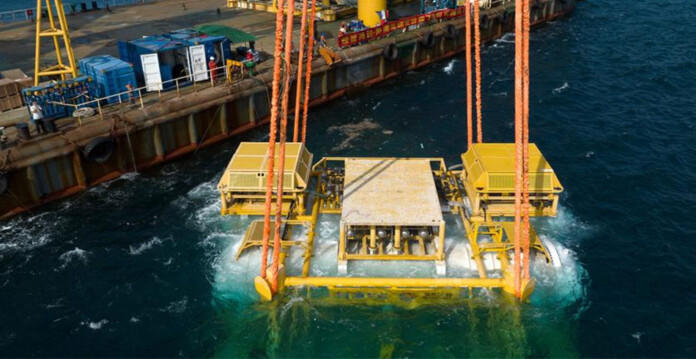
The sixth set of signals comes from the integration of energy and digital infrastructure. China completes construction of first 24MW wind-powered underwater data center with investment of 1.6 billion yuan, although occurring in China, serves as a model for companies going global: future overseas data centers, offshore wind power, submarine cables, cooling systems, power distribution systems, and intelligent operation and maintenance may be packaged into new engineering combinations. AI computing power is reshaping the electricity demand curve. If energy companies only understand the generation side, it is difficult for them to enter high-value segments; the real opportunity lies in providing energy infrastructure solutions with low PUE, high green power ratio, and high reliability for high-density loads.
Together, these types of news point to a deep-seated change in energy engineering going global: the global market does not lack single-point equipment; it lacks project organization capabilities that can navigate approval, financing, grid connection, offtake, operation and maintenance, and localization constraints. The Latin American market focuses on environmental permits, grid access, energy storage dispatch, and mining loads; the Middle East market focuses on the green hydrogen industry chain, export product forms, and large-scale park coordination; the European market focuses on industrial decarbonization, policy subsidies, low-carbon certification, and pipeline infrastructure; the Southeast Asian market focuses on manufacturing green power, long-term electricity prices, and foreign supply chain compliance; the North American market emphasizes power purchase agreements, data center loads, LNG exports, and project financing structures. Chinese companies cannot simply categorize these markets as "growing demand for new energy" but must understand the constraint conditions of each region separately.
For Chinese engineering companies, the focus of the next phase of going global should not be solely on low-price EPC competition, but on enhancing capabilities in front-end development, technical consulting, grid connection studies, environmental impact assessment coordination, long-term operation and maintenance, and financing document support. Overseas owners increasingly value project lifecycle risks. If Chinese companies only provide the construction phase, they risk being locked into low-margin, high-performance-risk positions; if they can participate early in scheme design, equipment selection, construction organization, digital operation and maintenance, and performance guarantees, they can transition from contractors to system partners.
For equipment companies, the competition in going global is shifting from "product parameters" to "scenario adaptation." Energy storage systems must adapt to high temperatures, high altitudes, high salt spray, and grid dispatch rules; photovoltaic inverters and transformer stations must meet local grid connection codes and certification requirements; wind turbines and their components must face different wind resources, transport conditions, and maintenance radii; electrolyzers must not only consider efficiency and cost but also match green power fluctuations, hydrogen purity, industrial hydrogen ports, and safety standards; oil and gas equipment must confront API, ASME, offshore corrosion protection, explosion-proof, and owner factory audit systems. Going global is not about translating mature domestic products into another language version, but embedding products into local engineering systems.
For companies across the entire industrial chain, the greater opportunity lies in the "energy + industry" intersection. The Chilean energy storage project serves mining and data centers; the Vietnamese green power project serves the manufacturing supply chain; the US solar PPA serves tech giants; German green hydrogen serves steel decarbonization; Brazilian deepwater oil and gas serves energy security and natural gas export. These cases show that the end customers of energy projects are expanding from traditional power companies to mining companies, steel enterprises, electronics manufacturers, cloud computing companies, ports, and industrial parks. If Chinese companies still segment markets by a single industry, they risk missing cross-industry projects; if they can organize products and engineering capabilities around load scenarios, they can gain higher bargaining power in overseas markets.
In the next one to three years, three clearer differentiations will emerge in energy engineering going global. First, companies relying solely on low-price equipment to win projects will face pressure, as overseas project requirements for certification, financing, delivery, and after-sales responsibility will continue to rise. Second, companies with combined capabilities in "equipment + engineering + digitalization + local partners" will benefit, especially in areas like energy storage, green hydrogen, data center power supply, offshore wind power, oil and gas pipelines, and industrial park green power. Third, companies that can understand the capital structures and policy language of overseas owners will enter project decision-making layers earlier than those who only understand construction.
What is truly noteworthy about the energy engineering news on June 10 is not how many megawatts of installed capacity a particular country has added, but that global energy projects are becoming complex system engineering. The next threshold for Chinese companies going global is not whether they have products, but whether they can place those products into an overseas project structure that is financeable, grid-connectable, offtakeable, operable, and compliant; companies that can achieve this may evolve from suppliers in energy engineering going global into long-term participants in the restructuring of global energy infrastructure.
This article is compiled by Wedoany. All AI citations must indicate the source as "Wedoany". If there is any infringement or other issues, please notify us promptly, and we will modify or delete it accordingly. Email: news@wedoany.com
Related Products

Electromagnetic Fluid Seawater Floating Oil Separation and Recover Equipment
Huate Magnet Group Co., Ltd.
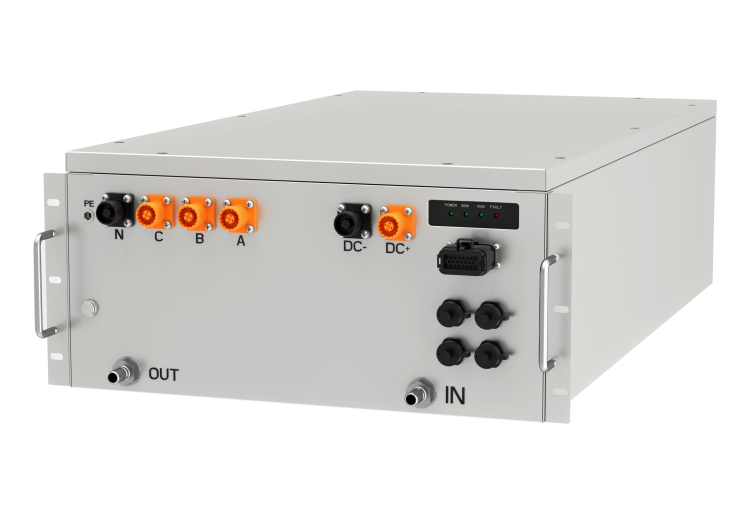
Mars (Liquid Cooling) Series Industrial and Commercial Energy Storage Converter High Protection Module
Shenzhen Winline Technology Co., Ltd.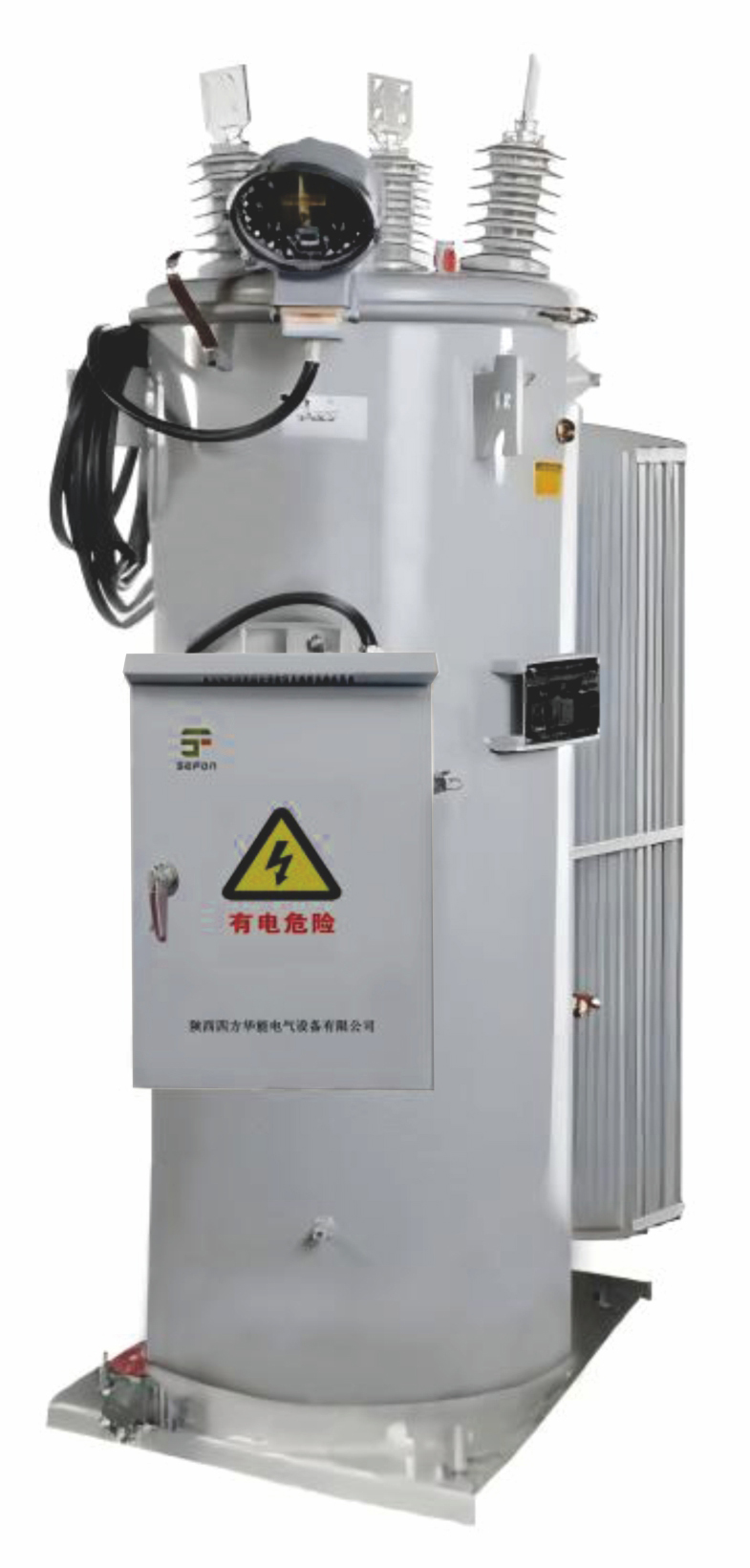
Single-Phase Automatic Voltage Regulator(AVR)
Shaanxi Sefon Electrical Equipment Co.,Ltd.
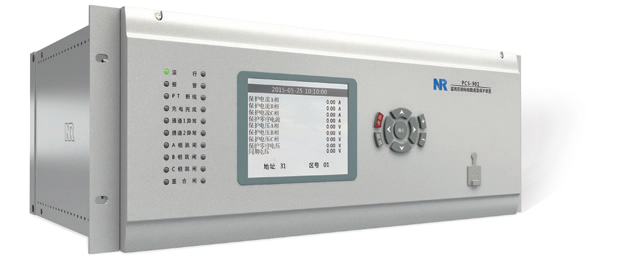
PCS-901 Series Ultra (Extra) High-voltage Transmission Line Complete Protection Device
Nanjing NR Electric Co., Ltd.
Hydraulic Turbine Genset
Dongfang Electric Corporation Dongfang Electric Machinery Co., Ltd.