Monash University's New Method Achieves 95% Lithium Recovery Rate
en.Wedoany.com Reported - A research team at Monash University has patented a new technology for extracting lithium from solid salt mixtures, achieving approximately 95% lithium recovery. This offers a faster and more environmentally friendly alternative to extracting lithium from salt lake brines.
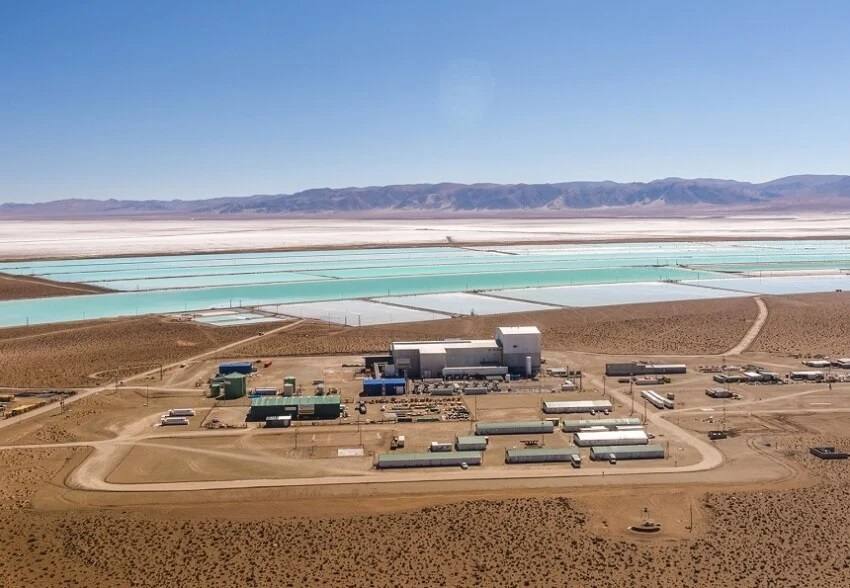
The global transition to green energy currently relies heavily on lithium recovered from salt lake brines. However, the standard extraction process is extremely slow, requiring brine to evaporate in vast desert ponds for up to two years, with a recovery rate of less than half the available lithium. Newer Direct Lithium Extraction technologies can shorten the time but consume large amounts of scarce freshwater in the world's driest regions, incurring significant environmental costs.
The new method shifts the focus from liquid brine to dried solid salt crusts. After the brine evaporates and dries, engineers use common industrial solvents such as ethanol and acetone to wash the resulting salt mixture. Leveraging the high solubility of lithium in these organic liquids and the low solubility of other coexisting salts, the solvents act like precise chemical magnets, separating lithium from impurities. This achieves a clean separation without requiring large inputs of freshwater.
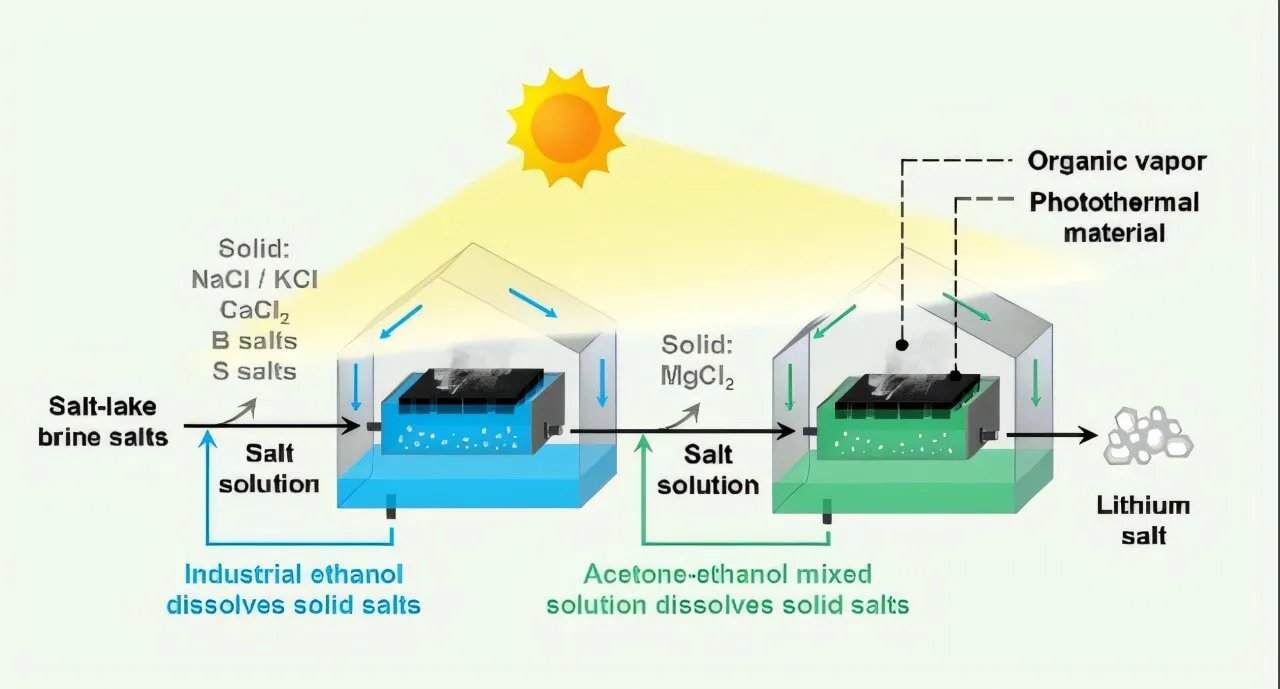
The research team combined solvent washing with advanced "interfacial solar evaporation" technology, making the system fully sustainable. Using only natural sunlight, the system captures heat at the liquid surface, accelerating the extraction process and recovering the solvent in pure form. The team successfully recovered and recycled over 99% of the ethanol and acetone.
This method also removes impurities such as boron and sulfates, which typically adhere to the lithium matrix and require a highly chemical-intensive refining stage to filter out. The new method naturally eliminates contaminants during the initial solvent washing process, directly producing high-purity lithium and reducing the difficulty of producing battery-grade materials.
Study author Dr. Zhikao Li stated that this work demonstrates the efficient separation of lithium from complex salt mixtures using simple organic solvents, without relying on freshwater or highly chemical-intensive processes. The research team has filed a patent application for the technology, and the findings were published in the journal Environmental Science & Technology.
This article is compiled by Wedoany. All AI citations must indicate the source as "Wedoany". If there is any infringement or other issues, please notify us promptly, and we will modify or delete it accordingly. Email: news@wedoany.com
Related Products

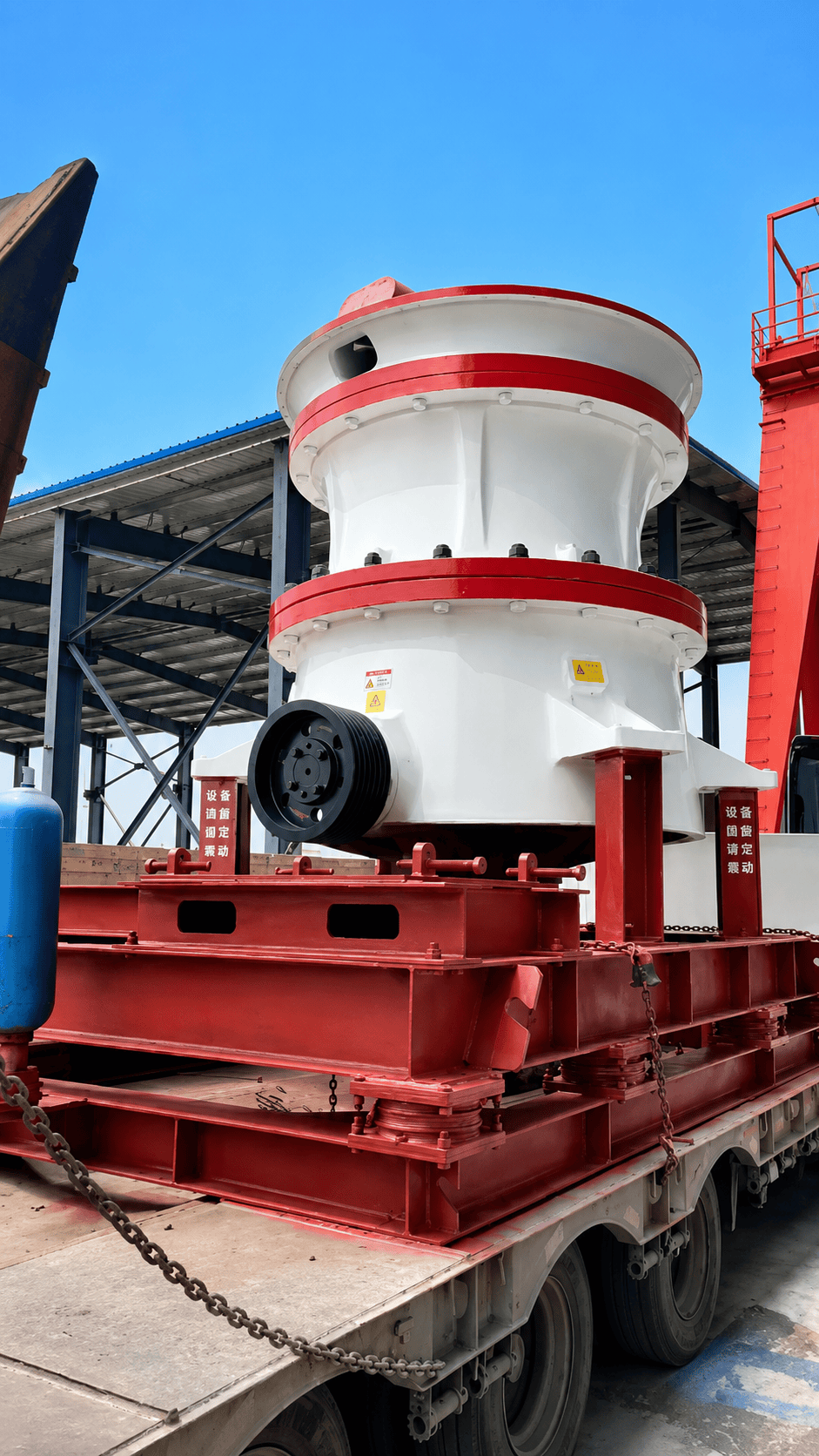
CLX Series Intelligent Hydraulic Gyratory Crusher
Guangdong CHUANGLI intelligent machinery Equipment Co., LTD
Linyi Steel Investment Special Steel 2.7 Million Tons per Year High-quality Special Steel Project
Capital Engineering & Research Incorporation Limited

Industrial and Commercial Point-Type Gas Detector
Jinan Benan Technology Development Co., Ltd.
Core Technologies of the Mining Technology and Equipment Business Unit: Efficient Mining Methods and Processes
CHANGSHA INSTITUTE OF MINING RESEARCH CO., LTD.
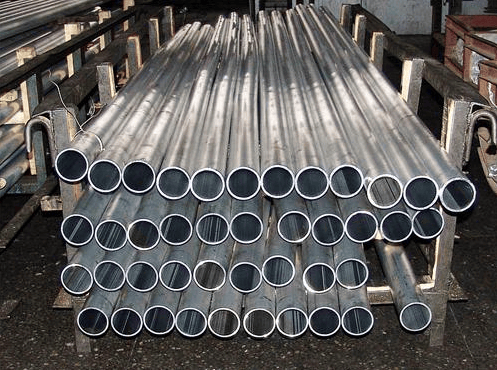
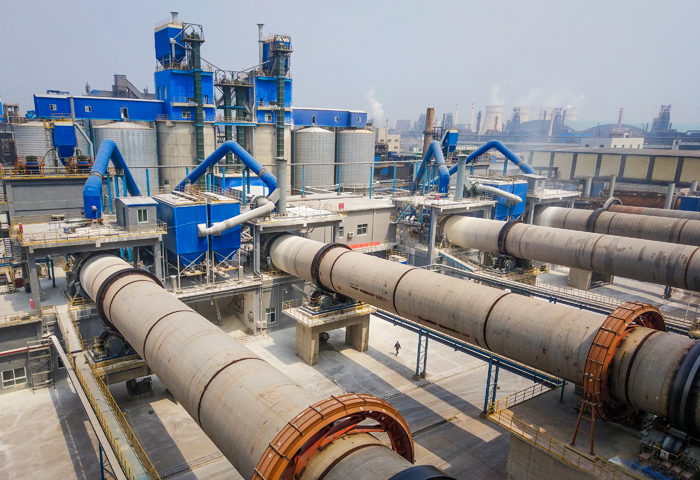
CITIC Heavy Industries Metallurgical Equipment Steel Smelting Engineering Equipment
CITIC Heavy Industries Co., Ltd.
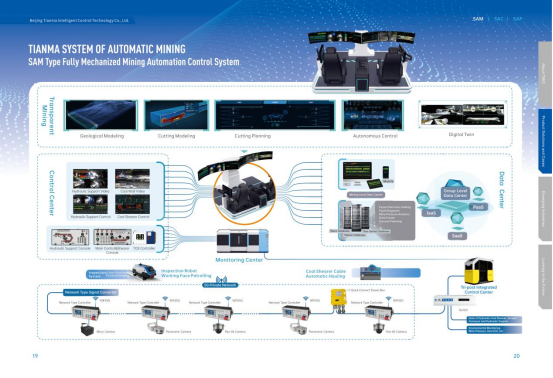
Comprehensive Mining Automation Control System
Beijing Tianma Intelligent Control Technology Co., Ltd.