DNV Verifies Fluence Battery Energy Storage System Availability Rate Reaches 98.7%
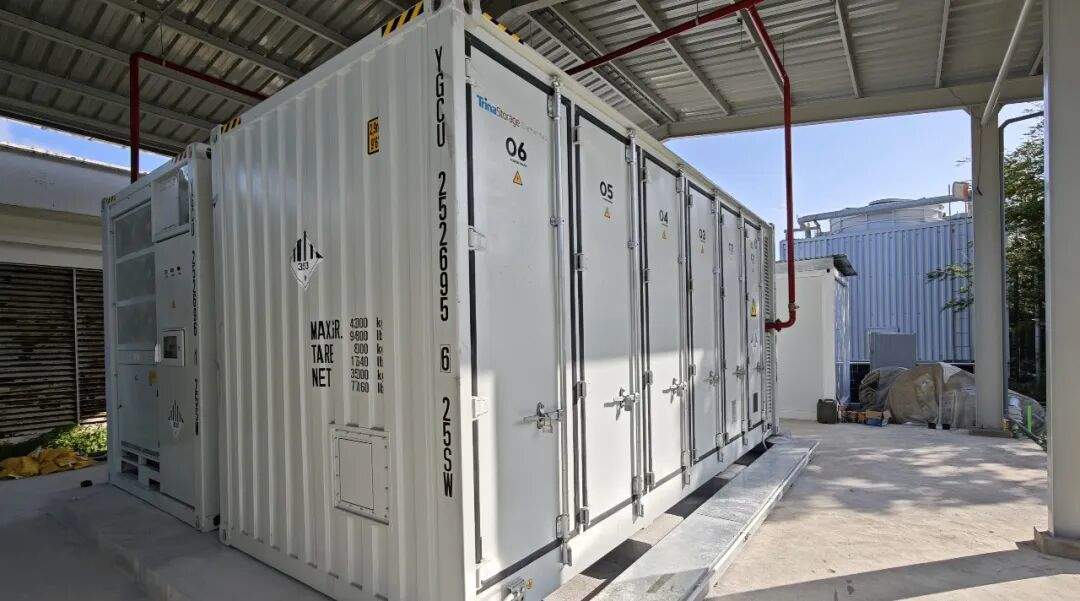
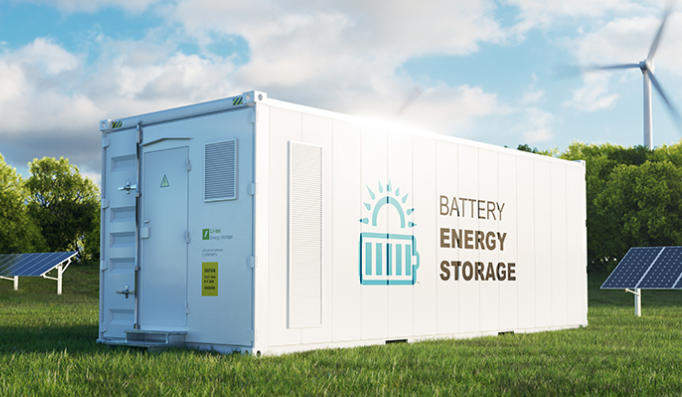
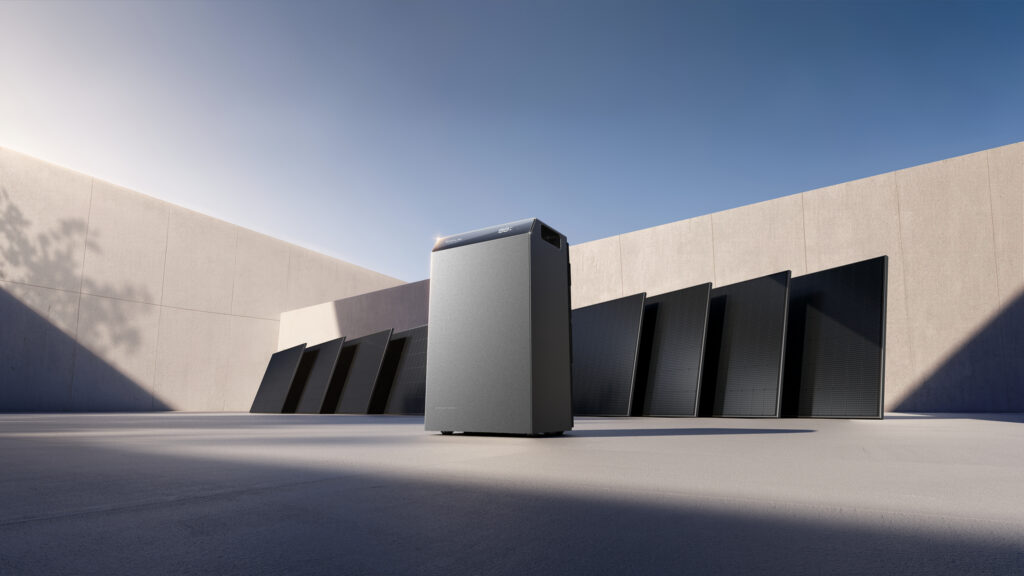
en.Wedoany.com Reported - DNV has independently evaluated the operational data of Fluence's global fleet of battery energy storage systems (BESS), confirming a megawatt-weighted availability rate of 98.7%.
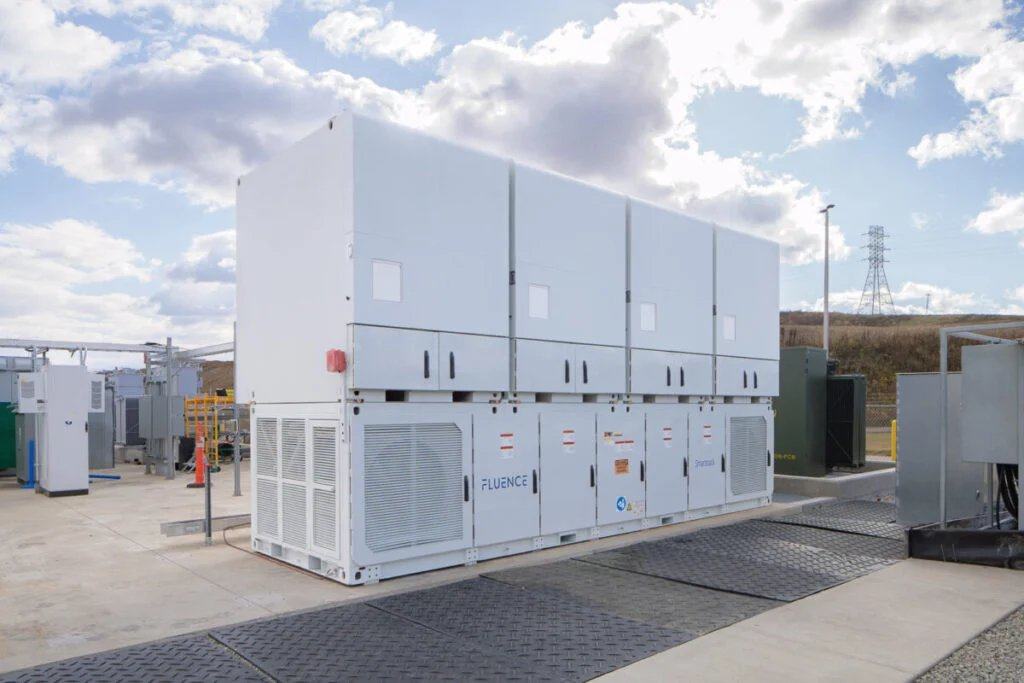
The energy storage technology and software services company stated that while the industry commonly claims availability rates, third-party independent verification is rare, and this benchmark data can serve as a reference for customers and investors. DNV reviewed the fleet-level availability data provided by Fluence, the calculation methods included in contracts, and operational records from select projects. The assessment confirmed that Fluence's internally derived global fleet megawatt-weighted availability rate of 98.7% is valid. Additionally, for the operational fleet of 50MW and above reviewed, the independently verified availability rate was 99.3%.
John Zahurancik, Chief Customer Success Officer at Fluence, stated that this result fills a long-standing transparency gap. He noted that customers invest in energy storage to deliver power precisely when needed, and every minute of downtime means lost revenue and grid vulnerability. By collaborating with DNV, the company has established a verified benchmark that Fluence customers can trust. He further stated that the availability of Fluence systems is among the best-performing power assets globally, maximizing return on investment. Fluence pointed out that in the energy storage industry, availability rates of 95% to 98% are often advertised, but significant differences in definitions and measurement methods make it difficult for customers, investors, and asset owners to compare performance across suppliers.
This verification comes at a time when availability and uptime are becoming core elements in the procurement, financing, and contracting of battery energy storage systems. Availability typically measures the proportion of time a system operates as expected, while uptime more narrowly refers to the time the system is actually online and not experiencing failures. The two can differ based on how planned maintenance, derating, and partial failures are handled. This ambiguity in definition is an issue Fluence's announcement mentions but does not resolve. Yilin Huang, Senior Energy Storage Engineer at Intertek CEA, discussed the gap between contractual performance guarantees and actual results in an article for Energy-Storage.news, describing scenarios where, even if a project technically falls within the contractual availability definition, "actual output is lower than model predictions, lower than offtaker expectations, and lower than financing assumptions."
Days before the DNV verification was announced, Sineng Electric launched a new liquid-cooled BESS platform at SNEC 2026, claiming it "ensures an annual availability rate exceeding 99.5%, enhancing the long-term economic value of utility-scale energy storage applications." This figure was attributed to its modular design reducing downtime risk and operational complexity, as well as liquid cooling technology lowering internal temperature rise by 5K and auxiliary power consumption by 30%. In terms of simple percentages, Sineng Electric's claimed figure is higher than Fluence's DNV-verified 98.7%, although Fluence's number has been third-party verified while Sineng Electric's has not. The gap between 98.7% and 99.5% appears small on paper but is more significant in practice. For lower availability rates, this difference equates to approximately 70 additional hours of downtime per year, and the commercial impact of these hours depends entirely on when they occur. A system that operates stably for 362 days a year but goes offline for three days during a summer heatwave (when wholesale electricity prices and capacity charges are highest) may underperform a competing system with a nominally lower annual availability rate that remains online during critical windows.
Fluence's own Smart Service Plans offer availability guarantees of up to 99%, along with what the company calls the industry's first Dispatchable Energy Guarantee, aimed at achieving 24/7 dispatchable energy availability with reduced buffers. The timing of the DNV verification is not coincidental. Fluence's first-half fiscal year order revenue reached $2 billion, double that of the same period last year, and the company has confirmed master supply agreements with two hyperscale data center customers. For data center operators, availability is not an abstract financial metric; data center tenant contracts require 99.999% uptime guarantees, and even momentary disruptions can be costly, with analysts estimating revenue impacts of up to $1 million per megawatt per day for AI-focused facilities. In this context, the difference between 98.7% and 99.5% availability for battery systems protecting loads is not a rounding error; it determines whether the battery occasionally fails during the load fluctuations it is installed to manage, or never falters.
This article is compiled by Wedoany. All AI citations must indicate the source as "Wedoany". If there is any infringement or other issues, please notify us promptly, and we will modify or delete it accordingly. Email: news@wedoany.com
Related Products

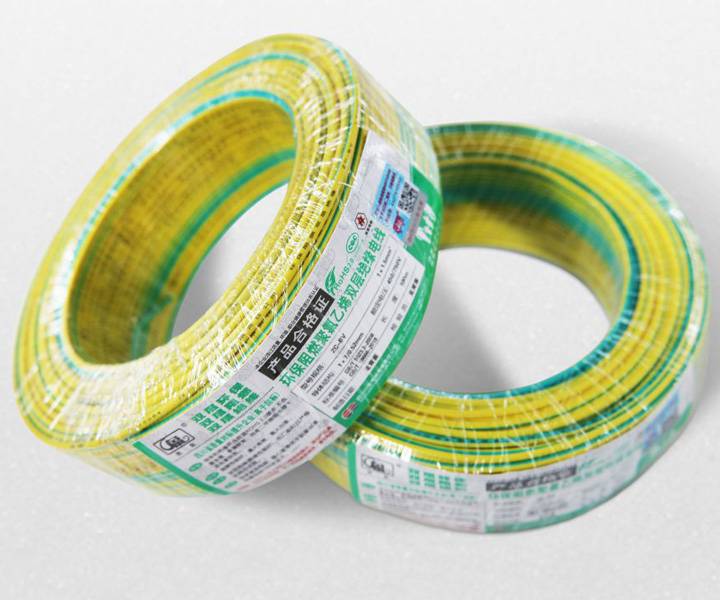
Environmentally Friendly Flame-retardant PVC Double-layer Insulated Wire
Sichuan Chndo Cable Co., Ltd.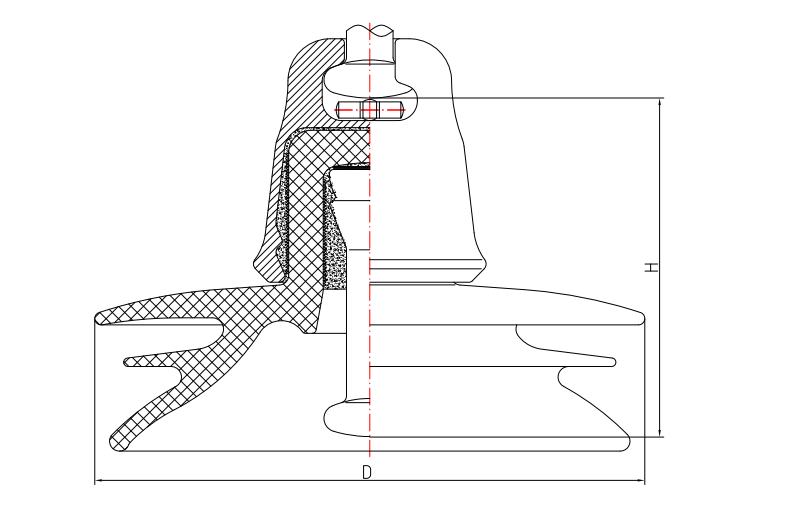
Post-type AC Pollution-resistant Disc Suspension Porcelain Insulator (Triple Umbrella Type)
Shandong High Voltage Insulator Co., Ltd.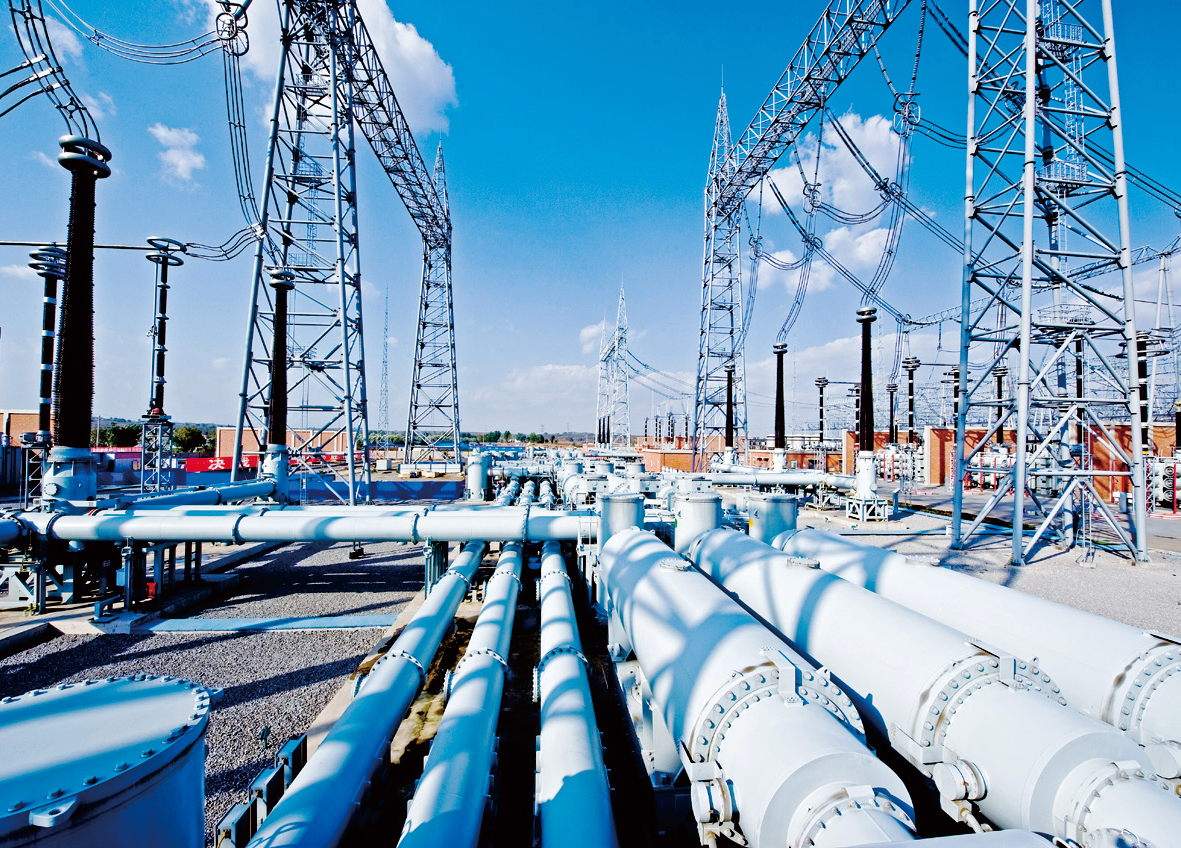
40.5kV-1100kV Gas Insulated Metal-Enclosed Switchgear (GIS)
Henan Pinggao Electric Co., Ltd.
High-voltage Direct Current (HVDC) Transmission System Research and Integrated Design
XI'AN XD POWER SYSTEMS CO., LTD.
714CD Series C-Band Weather Radar
Chengdu Zhongdian Jinjiang Information Industry Co., Ltd.