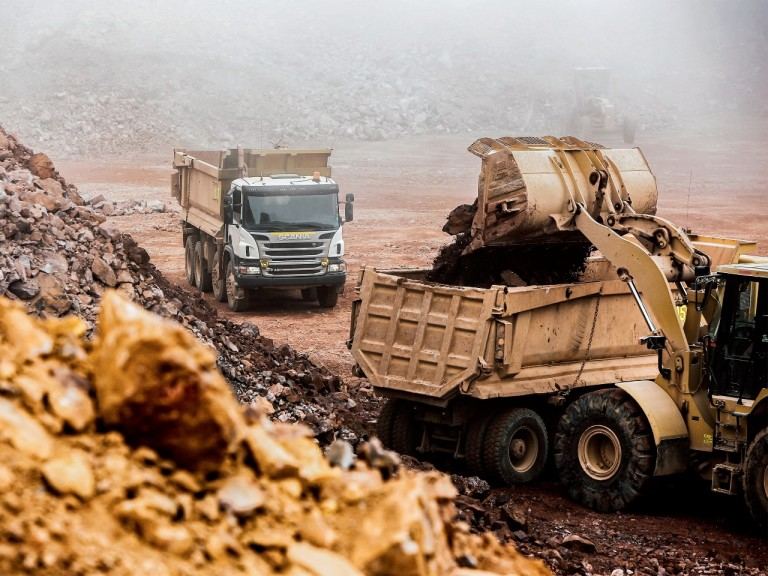
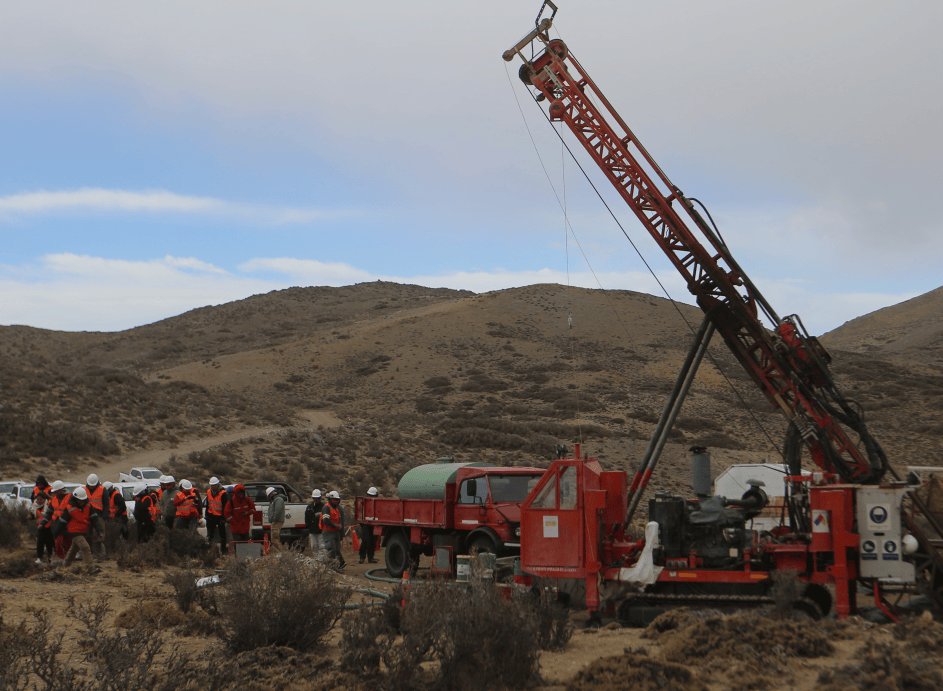
en.Wedoany.com Reported - Canadian company Libra Energy Materials has reported promising near-surface discoveries of light rare earths, magnetic rare earths, and gallium from the initial drilling results at the Penelope rare earth project in Minas Gerais, Brazil, and plans to continue advancing exploration.
The company released these preliminary results on June 11. The data reveal a geological profile consistent with a weathering-enriched deposit, containing both light rare earths and magnetic elements. Libra Energy Materials CEO Koby Kushner stated in a press release that these results highlight the intensity of near-surface rare earth enrichment at the Penelope project. He added that drilling is still in its early stages, with an average depth of only 17 meters, but the company is impressed by the "high proportion of magnetic rare earths" and "high-grade gallium." Next, the company plans to send high-grade samples for further testing.
However, Libra cautioned that there is no guarantee future drilling will confirm the existence of economically viable mineralization or commercially exploitable mineral resources. The company also stated that while advancing technical work, it has initiated a strategic review to seek partners or potential buyers for the Penelope project. Kushner noted that this move aims to evaluate strategic alternatives that could create value for shareholders while allowing Libra to focus on its core lithium-centric strategy.
Libra Energy Materials is dedicated to exploring critical minerals for the energy transition. In 2025, the company announced an agreement to fully acquire Brion Minerals, thereby incorporating a portfolio of 30 Brazilian critical mineral projects, including lithium, graphite, and cobalt-nickel mining rights, located in the states of Pernambuco, Rio Grande do Norte, Paraíba, Bahia, Tocantins, and Minas Gerais, covering a total area of over 30,000 hectares. The company is also developing lithium projects in Canada, some of which are explored in partnership with KoBold Metals.
The global race for rare earths is intensifying, with major economies such as the United States and the European Union seeking alternatives to reduce dependence on China. Data shows that China holds nearly half (49%) of the world's proven rare earth reserves and accounts for approximately 90% of global rare earth processing and refining. Brazil is reported to possess the world's second-largest reserves, accounting for 23% of the total.
This article is compiled by Wedoany. All AI citations must indicate the source as "Wedoany". If there is any infringement or other issues, please notify us promptly, and we will modify or delete it accordingly. Email: news@wedoany.com