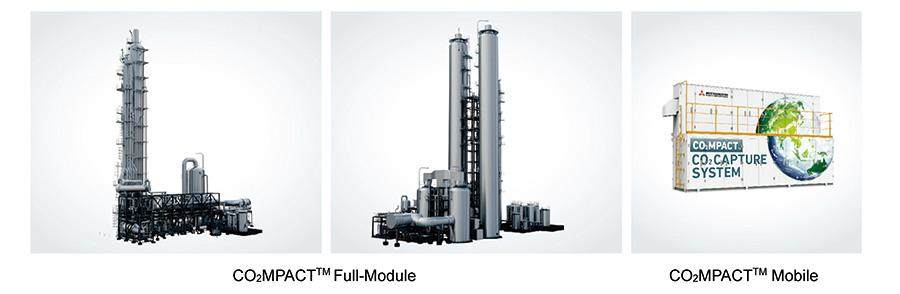
Europe's Carbon Capture and Storage Projects See New Capture Capacity Drop to 7 Million Tonnes in 2025
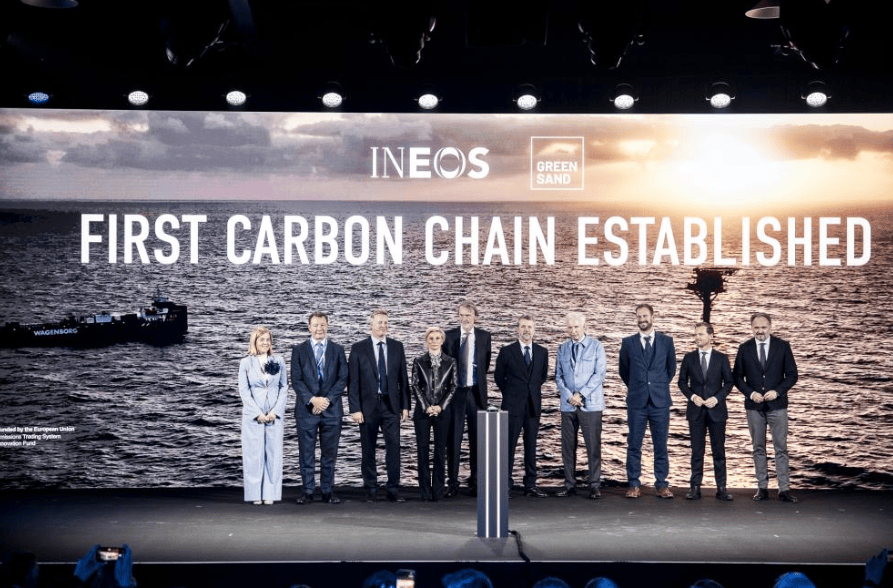
en.Wedoany.com Reported - Over the past three years, the number of newly announced carbon capture and storage (CCS) projects in Europe has declined significantly. A series of project cancellations in 2025 highlight the economic and technical bottlenecks these projects face when advancing to final investment decisions.
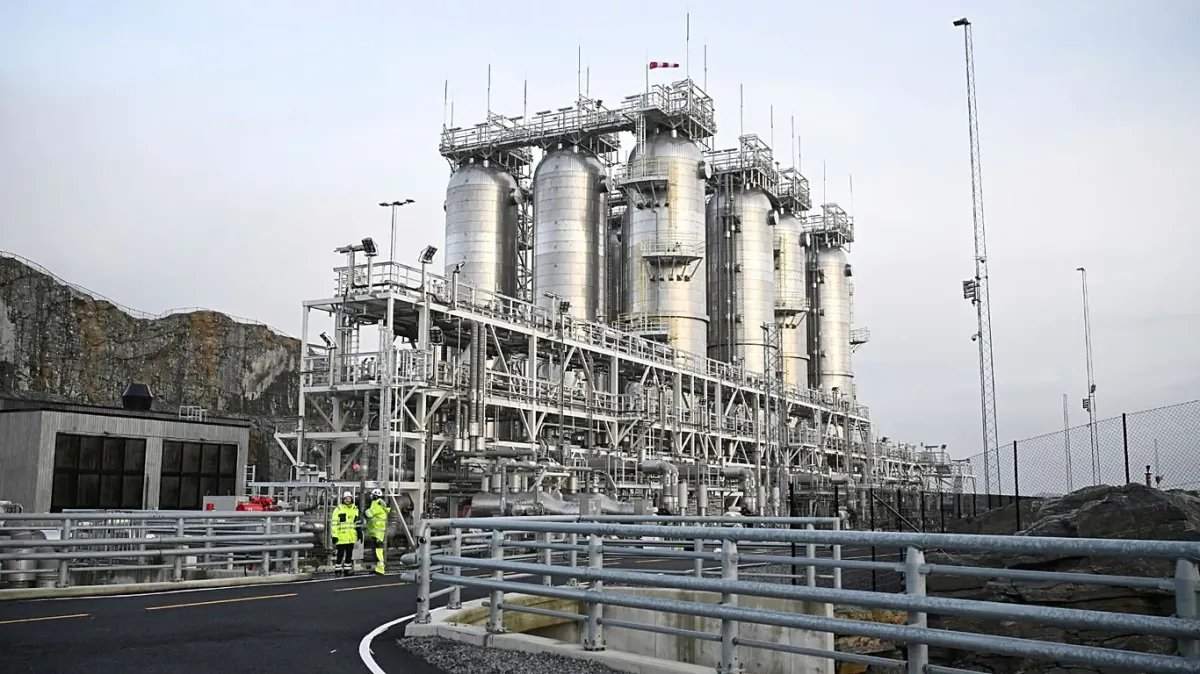
The Institute for Energy Economics and Financial Analysis (IEEFA) expects the trend of weak new project announcements to continue, with the number of cancellations further increasing. This assessment raises questions about whether carbon capture and storage technology can be deployed at the scale needed to help Europe achieve its decarbonization goals.
Europe's potential carbon capture and storage project pipeline showed significant growth between 2018 and 2023. During this period, the industry announced 317 projects related to carbon capture, transport, and storage. Policies such as the EU's European Climate Law and the "Fit for 55" legislative package, which made the 2050 climate neutrality target a legal obligation, directly drove this boom. These initiatives aim to encourage greater adoption of CCS technology to support the EU's climate neutrality goals.
During the same period, European carbon prices, particularly those formed through the EU Emissions Trading System (ETS), rose sharply, from a range of €5 to €10 per tonne in 2017 to over €100 per tonne in 2023. This gradually increased the cost of purchasing emission allowances, providing a clear economic incentive for polluting companies to adopt CCS technology to avoid rising emission costs. Since 2018, various public funds and national support mechanisms have also been announced, including the EU Innovation Fund, Important Projects of Common European Interest (IPCEI), carbon contracts for difference, and national subsidy schemes introduced by the UK, Norway, the Netherlands, and Denmark. The "hub-and-spoke" industrial cluster model introduced in early 2020 removed some initial barriers by allowing multiple projects to share CO₂ transport and storage infrastructure. CCS technology also became central to blue hydrogen production strategies, while the regulatory framework began to provide greater clarity.
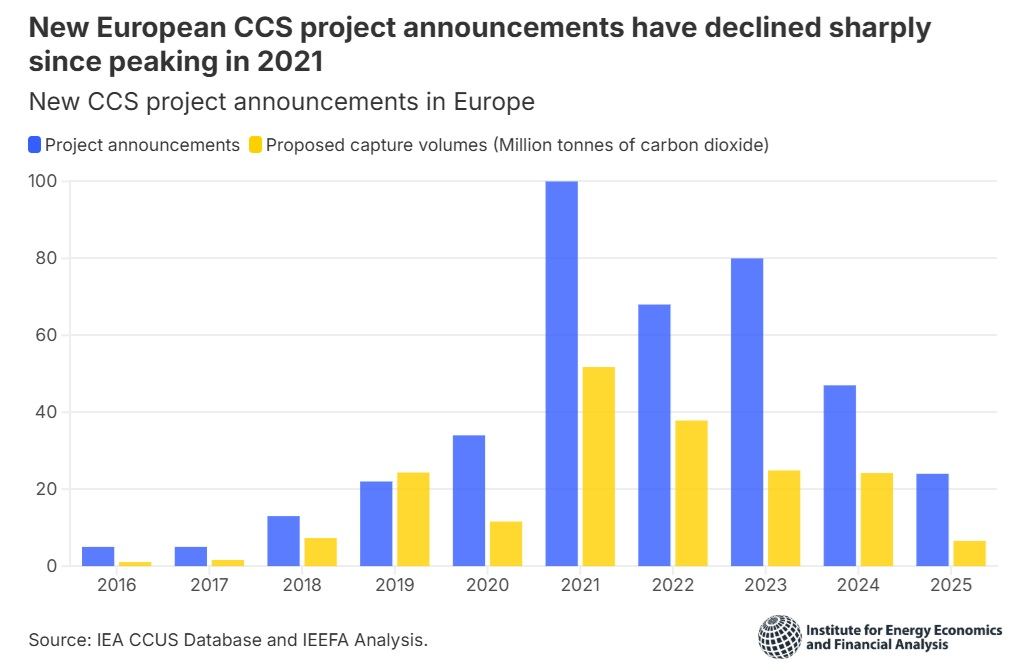
Recently, the number of newly announced CCS projects in Europe has declined significantly. The number of projects peaked at 100 in 2021 but fell to 24 by 2025. While project numbers are an indicator of market activity, the proposed capture capacity is a more critical metric, as it directly reflects Europe's emission reduction potential. The estimated annual capture capacity from newly announced projects has dropped from a peak of 52 million tonnes of CO₂ (MtCO₂) in 2021 to just 7 MtCO₂ in 2025. By the end of 2025, Europe's cumulative proposed capture capacity reached 201 MtCO₂, spread across over 400 potential projects.
The combined capture and storage targets set by the EU and the UK are 80 MtCO₂ by 2030 and 522 MtCO₂ by 2050. Although there are theoretically enough projects under development on paper to support achieving the 2030 target, the reality is that it takes years for a project to move from announcement to operation due to economic, technical, and legislative challenges.
In 2025, the capture capacity cancelled in Europe exceeded the capacity that received final investment approval. Projects involving 5.4 MtCO₂ of capture capacity were cancelled, while only 4.2 MtCO₂ of capacity received investment approval. Among the cancelled projects, blue hydrogen projects accounted for the largest share of expected capture capacity at 71%, followed by an oil refinery project (20%), with the remainder from a waste-to-energy plant. A total of four hydrogen projects were cancelled this year, including BP's H2Teesside Phase 1 and Phase 2 projects (expected capture capacity of 2 MtCO₂) and the Equinor-backed H2M Eemshaven project in the Netherlands (expected capture capacity of 1.8 MtCO₂). The companies attributed the cancellations to weak hydrogen demand, site planning issues, and financing uncertainties. The carbon capture plans for the UK's Prax Lindsey oil refinery fell through after its parent company entered administration. The waste-to-energy project at Denmark's Amager Resource Center was also forced to cancel after key partner E.ON withdrew.
Although official statements regarding the 2025 cancellations did not explicitly mention economic or technical difficulties, IEEFA believes that the fundamental challenges facing CCS technology played a significant role in the decision-making process. In Europe's CCS project pipeline, the technology readiness level for the capture process ranges from Level 5 (large-scale prototype) to Level 9 (early adoption), on a scale where Level 11 represents full maturity. This means all projects remain technically complex, facing risks of delays, capture rates falling below the typical target of 90-95%, or even complete capture failure. Any deviation from the planned schedule or capture rate will further increase already high costs. The cost range for CO₂ capture, transport, and storage varies from $133 per tonne for biofuel projects to $244 per tonne for chemical plant operations. These figures are significantly higher than current EU and UK ETS carbon prices (approximately $91 and $52 per tonne, respectively). The large gap between the cost of installing and operating CCS systems and the price of emission allowances means polluting companies have little economic incentive to adopt the technology. Bridging this gap requires public subsidies, which will place an additional burden on governments facing increasingly tight fiscal constraints.
Given the technical and economic difficulties facing CCS as a decarbonization tool, a significant recovery in Europe's CCS project pipeline appears unlikely in the short term.
This article is compiled by Wedoany. All AI citations must indicate the source as "Wedoany". If there is any infringement or other issues, please notify us promptly, and we will modify or delete it accordingly. Email: news@wedoany.com
Related Products


Off-Grid Fuel Cell Supercharging Station (180kW Configuration)
Shanghai REFIRE Group Limited

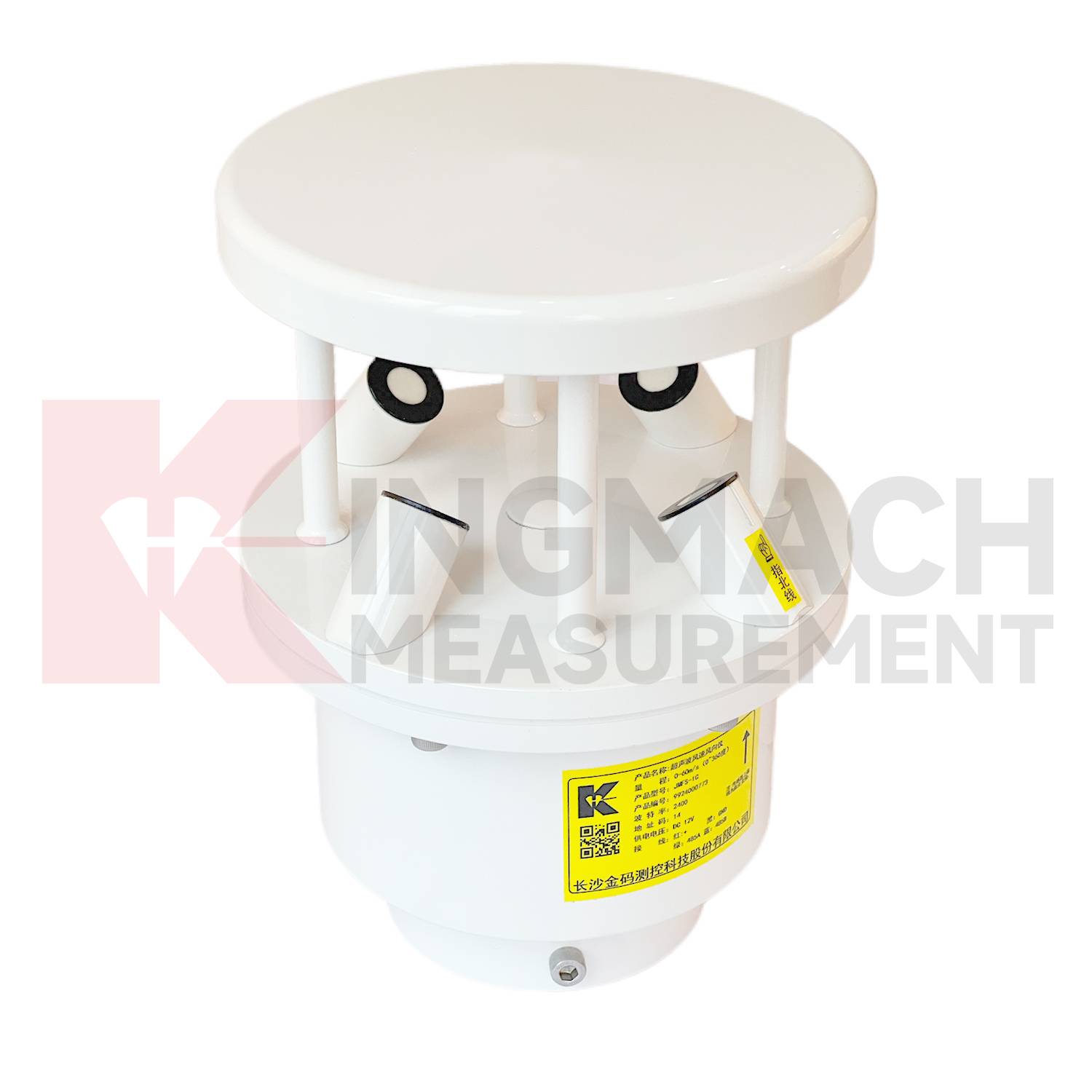
Ultrasonic Wind Speed and Direction Instrument
Kingmach Measurement & Monitoring Technology Co., Ltd.
TYC Series High-Efficiency Permanent Magnet Synchronous Motor
Xiangdian Smart Energy Technology Co., Ltd.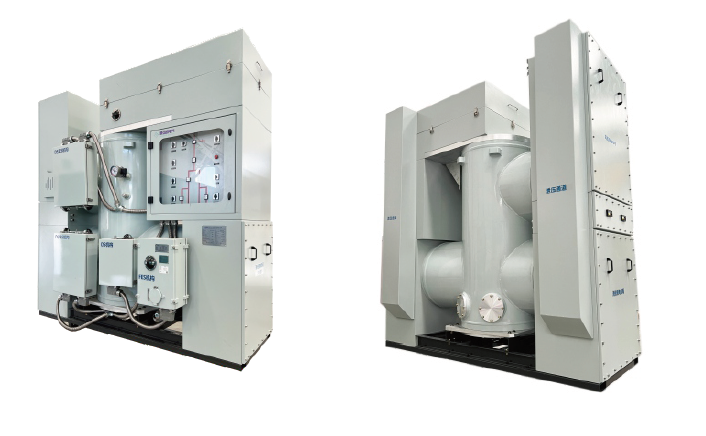
72.5kV 1250A 31.5kA SF6 free Gas-insulated Metal-enclosed Switchgear
Zhejiang Juhonkia Intelligent Electric Co., Ltd.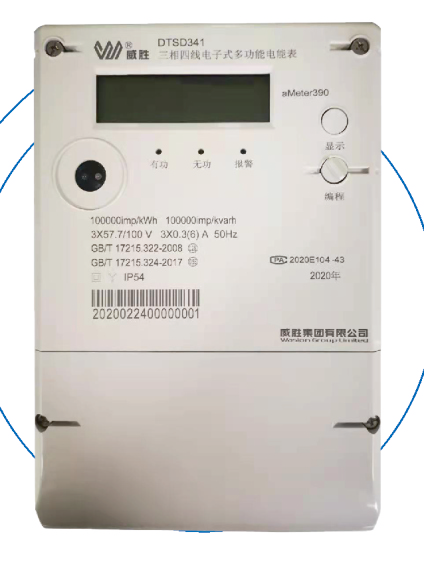
Overseas IEC Gateway Energy Meter - DTSD341/DSSD331-aMeter390
Wasion Group Limited Co., Ltd.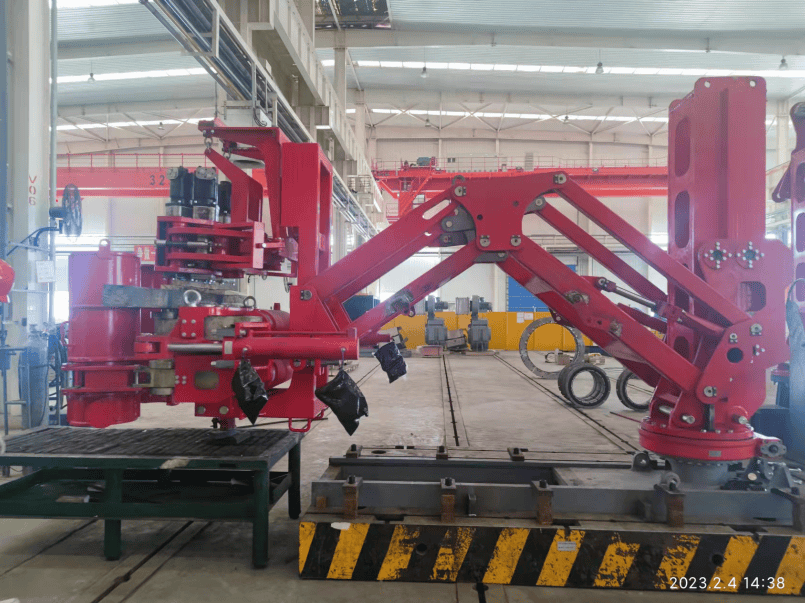
Electromagnetic Fluid Seawater Floating Oil Separation and Recover Equipment
Huate Magnet Group Co., Ltd.
IS(B)□-M·RL Series Oil-immersed 3D Transformer (Planar / 3D Wound Core)
Guangdong Kehua Electric Power Technology Co., Ltd.