Chinese Enterprises in Indonesia Submit Protest Letter Over Nickel Policy Changes
en.Wedoany.com Reported - The 2026 Canadian Mining Expo (CME) was successfully held from June 9 to 11 at the McIntyre Community Complex in Timmins, Ontario. Under the theme "Where the World Comes to Explore," the event attracted approximately 5,000 professional visitors, featured over 400 indoor and outdoor booths, and for the first time welcomed a delegation of about 80 mining owners and executives from Tanzania. Ontario Minister of Energy and Mines Stephen Lecce, along with several municipal officials, attended the opening ceremony.
Founded in 1992, CME is now one of Canada's largest "on-site" mining trade shows, known for its focus on heavy equipment and mining technology demonstrations. The 2026 edition marked the 34th consecutive year of the event, with the number of outdoor tent booths reaching a record high of 100, an increase of 50 from 2025. The expo also featured a job fair, an Indigenous forum, and a traditional stand drill competition. Exhibitors included mining companies, equipment suppliers, technology service providers, Indigenous organizations, and government agencies, showcasing emerging technologies such as automated transport systems, drone-based exploration, and remote emergency robots. The participation of the Tanzanian delegation marked a breakthrough in attracting African mining investors to the event.
Meanwhile, changes in Indonesia's nickel policy are causing widespread concern among Chinese enterprises operating in the country. According to a formal protest letter recently submitted by the China Chamber of Commerce in Indonesia (CCCI) to President Prabowo Subianto, a series of government policies have significantly increased operational costs and undermined investment certainty. These policies include proposed royalty rate hikes, stricter foreign exchange retention rules, sharp cuts in nickel mining quotas, and what investors describe as increased arbitrariness in law enforcement. According to an April 2026 forecast by the International Nickel Study Group (INSG), due to tighter mining regulations in Indonesia, the global nickel market is expected to shift from a supply surplus of 283,000 tons in 2025 to a supply deficit of approximately 32,000 tons in 2026.
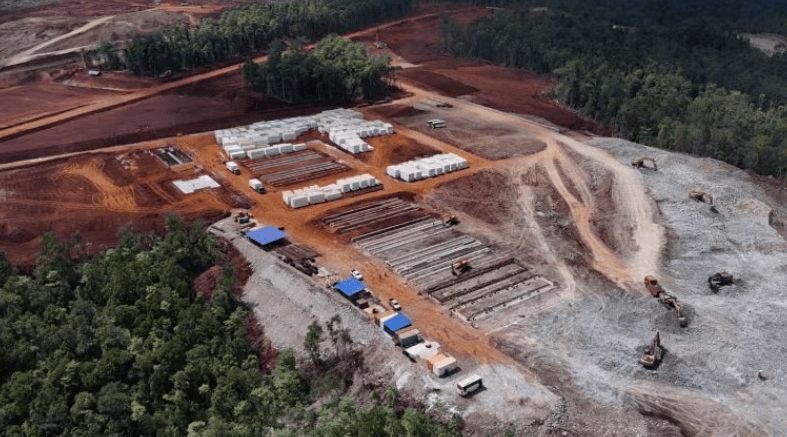
Over the past decade, Chinese enterprises have invested more than $65 billion in Indonesia in areas such as smelters, industrial parks, and electric vehicle battery material processing facilities, particularly in Sulawesi and North Maluku. In January 2026, Indonesia's Ministry of Energy and Mineral Resources reduced the annual nickel ore production quota from 379 million tons in 2025 to between 260 million and 270 million tons, with quotas for some large mines plummeting by over 70%. The approval cycle was also changed from a three-year period back to an annual review. According to Reuters, some Chinese companies have begun looking to regions such as Africa as long-term alternative investment destinations. Analysts believe that concerns over "resource nationalism" triggered by Indonesia's nickel policy adjustments could lead to an outflow of Chinese capital while heightening expectations of a tight global nickel supply.
This article is compiled by Wedoany. All AI citations must indicate the source as "Wedoany". If there is any infringement or other issues, please notify us promptly, and we will modify or delete it accordingly. Email: news@wedoany.com
Related Products


Mine Explosion-proof and Intrinsically Safe Industrial Ethernet Ring Network (10 Gigabit/Gigabit)
Chongqing Mas Sci&Tech Co., Ltd.
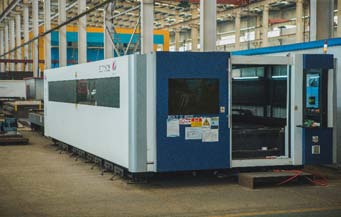
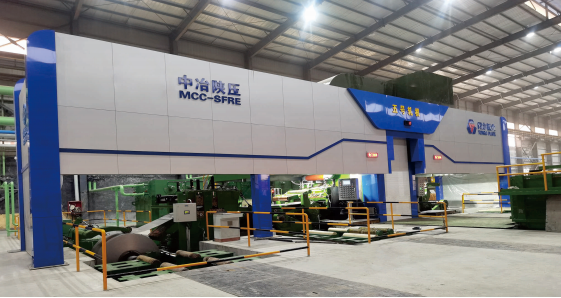
1050-1750mm Steel Strip Single-stand Reversible Cold Rolling Production Line
MCC-SFRE HEAVY INDUSTRY EQUIPMENT CO., LTD.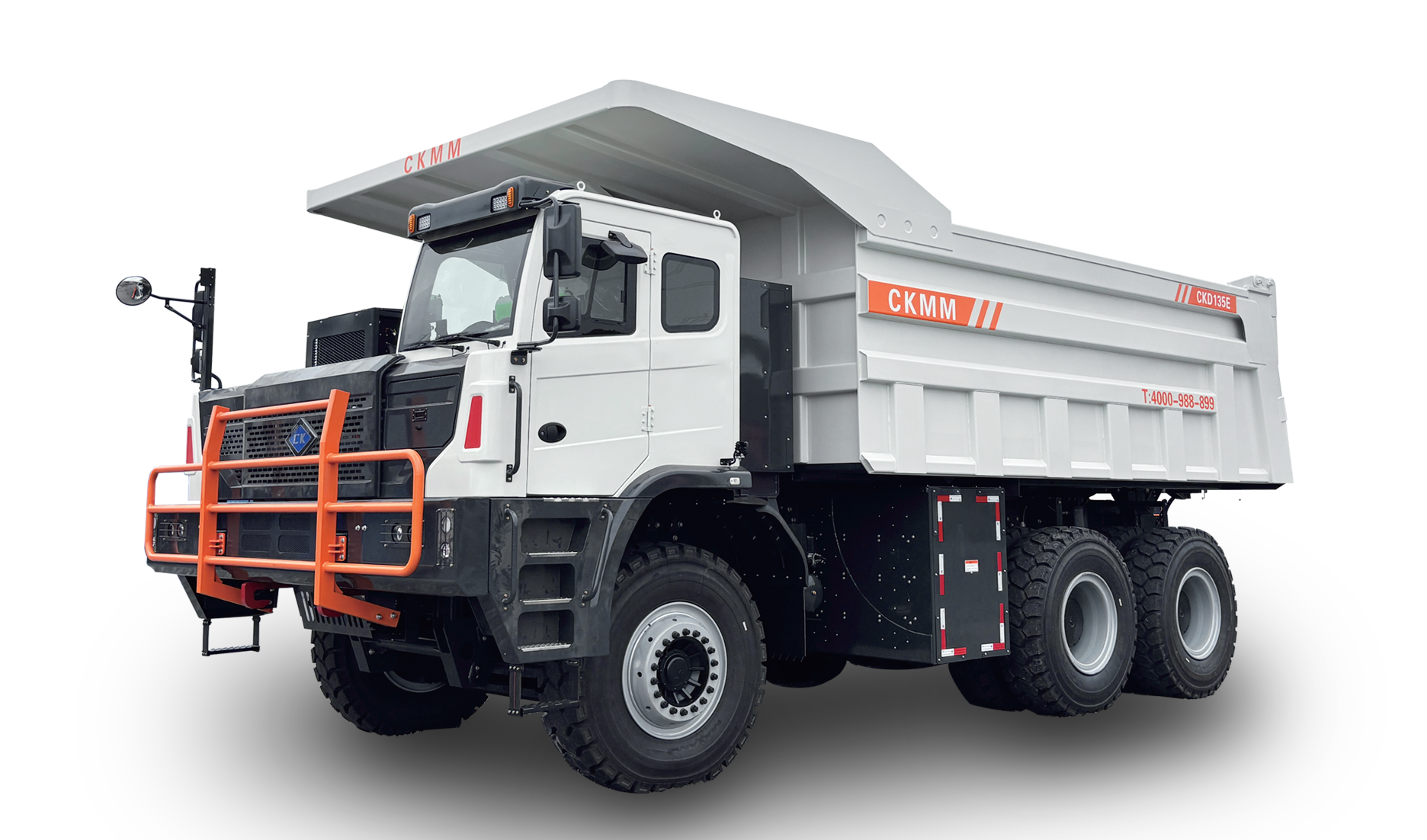
CKD135E Pure Electric Wide-body Dump Truck
Jiangsu Changkuang Engineering Machinery Co. Ltd.
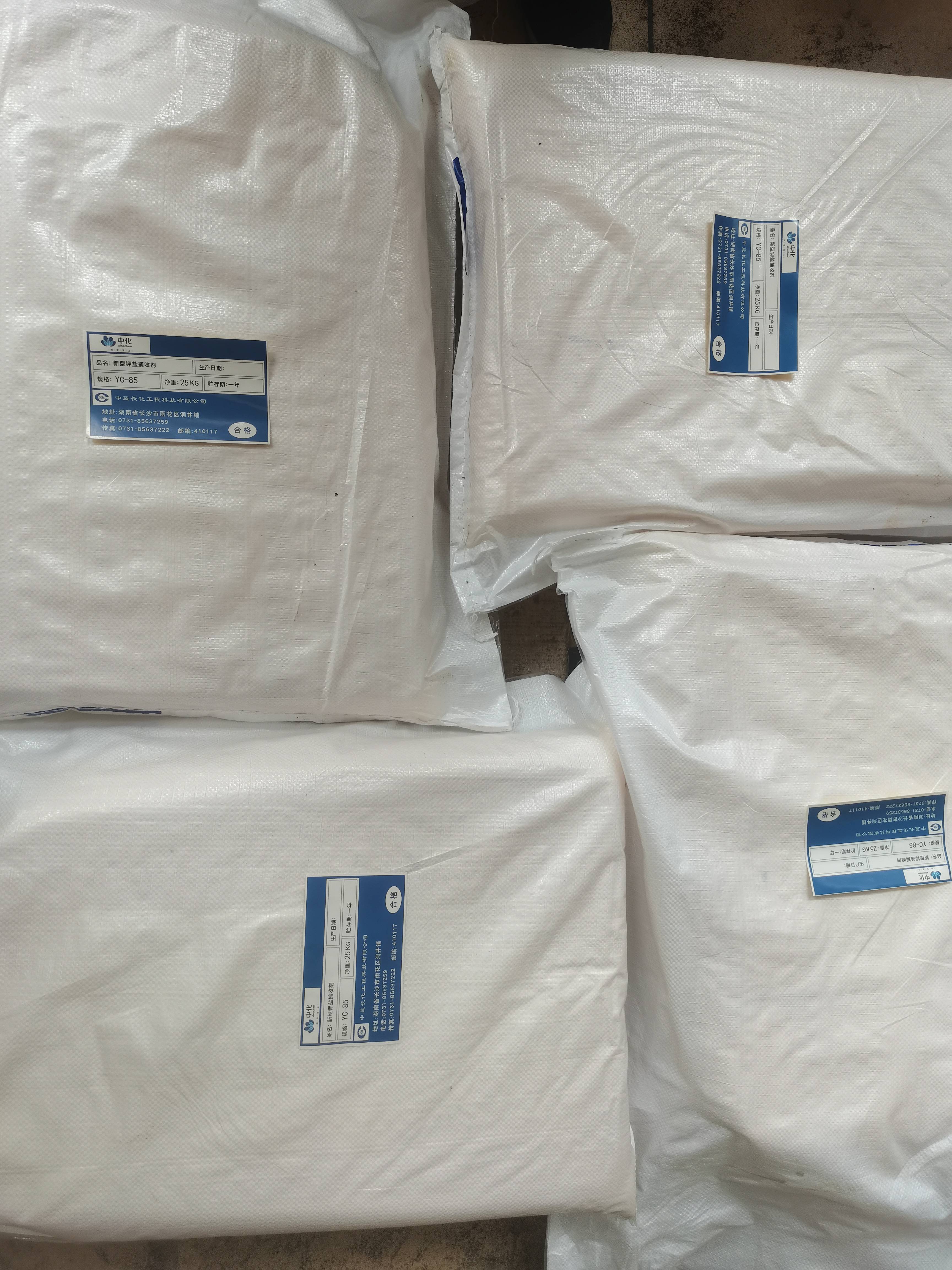
New Environmentally Friendly Green Potassium Salt Collector
Chonfar Engineering and Technology Co., Ltd.