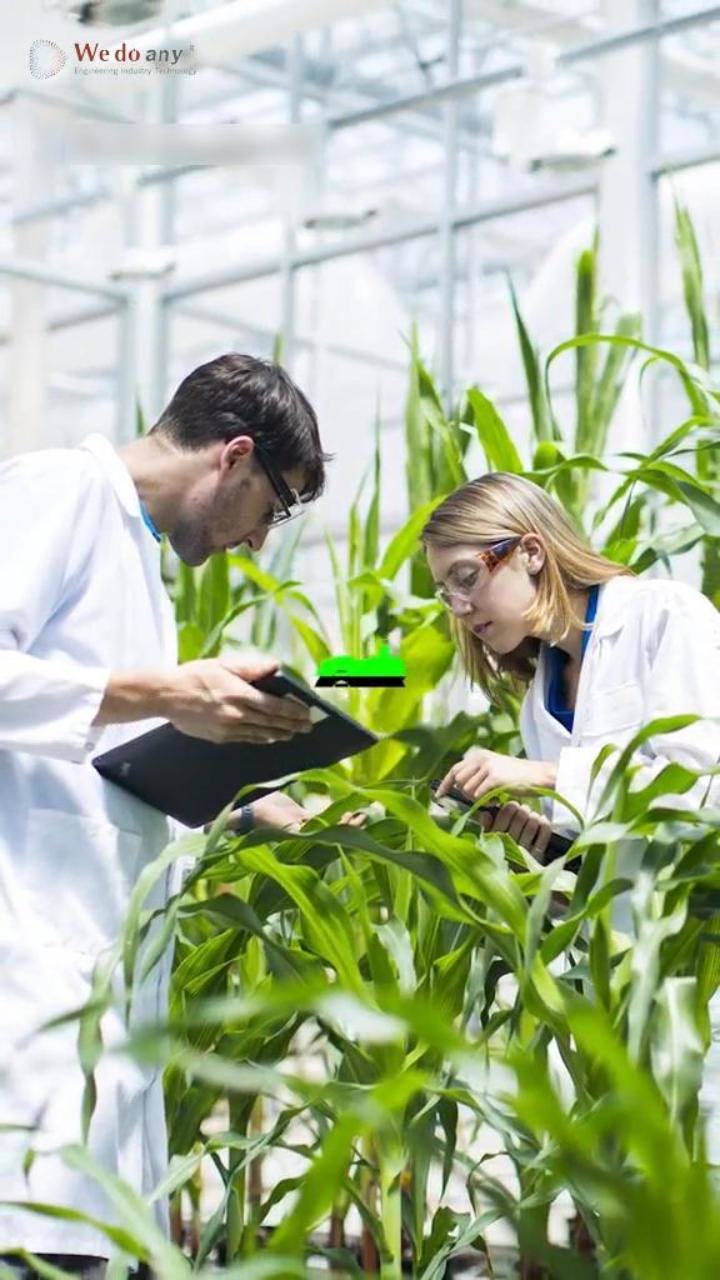
Brazilian cooperative invests 12 million reais in a 20-ton-per-day tilapia processing plant, set to operate in July
en.Wedoany.com Reported - Brazil's aquaculture sector is seeing new progress: a new industrial facility with a daily processing capacity of 20 tons of tilapia is about to begin operations in the state of Espírito Santo, with a total investment of approximately 12 million reais, led by the Rural Entrepreneur Cooperative of Domingos Martins (Coopram). This facility will not only significantly boost tilapia processing capacity but also aims to strengthen family farming through industrialization, create jobs, and propel the cooperative toward becoming a national tilapia production hub.
The new processing plant will officially open in July, with an initial daily processing capacity of 5 tons, but it is already prepared for full capacity of 20 tons per day. This investment is one of the largest in the state's aquaculture sector in recent years and is expected to substantially increase the supply of tilapia-derived products on the market. The project enhances the industrialization level of the production chain, helps expand the cooperative's local and national influence, and promotes the development of value-added tilapia products, such as tilapia burgers, fish balls, tilapia patties, and processed packaged retail cuts.
Coopram currently brings together hundreds of rural producers, who, in addition to aquaculture, also engage in the production of coffee, beans, honey, spices, avocados, fruits, and other crops. Cooperative President Darli José Schaefer stated that the sector's growth stems directly from the unity of producers and the collective structures established in recent years, with tilapia production evolving from a supplementary family income into a stable business and revenue source.
Currently, about 150 cooperative members are directly involved in tilapia production. The expansion of the new facility is expected to immediately create approximately 30 direct jobs, with the potential to exceed 100 new positions in the coming years, in addition to driving indirect employment in transportation, logistics, suppliers, technical assistance, and other areas. Experts assess that this model, combining family production, cooperativism, and industrial investment, could serve as a national reference, especially in regions where small producers rely on organized supply chains to access larger markets. Brazil's tilapia production has been growing rapidly in recent years, and this project marks a new phase of specialization, industrialization, and sustainable growth for the country's aquaculture sector.
This article is compiled by Wedoany. All AI citations must indicate the source as "Wedoany". If there is any infringement or other issues, please notify us promptly, and we will modify or delete it accordingly. Email: news@wedoany.com
Related Products



714CD Series C-Band Weather Radar
Chengdu Zhongdian Jinjiang Information Industry Co., Ltd.
Industrial and Commercial Point-Type Gas Detector
Jinan Benan Technology Development Co., Ltd.

4HS-8 High-efficiency Peanut Inverted-laying Harvester
Hebei Yongfa Hongtian Agricultural Machinery Manufacturing Co., Ltd.