Volvo and Hitachi Energy Sign Memorandum of Understanding to Advance Zero-Emission Construction Sites
en.Wedoany.com Reported - Volvo Construction Equipment and Hitachi Energy have signed a Memorandum of Understanding to establish a framework for deploying electric construction equipment, aiming to address one of the most pressing environmental challenges in the construction industry.

According to McKinsey data, global building operations account for more than a quarter of carbon dioxide emissions, making the industry one of the largest sources of greenhouse gas emissions. The two companies will collaborate on a non-exclusive basis to evaluate technologies and business concepts related to zero-emission construction and manufacturing operations.
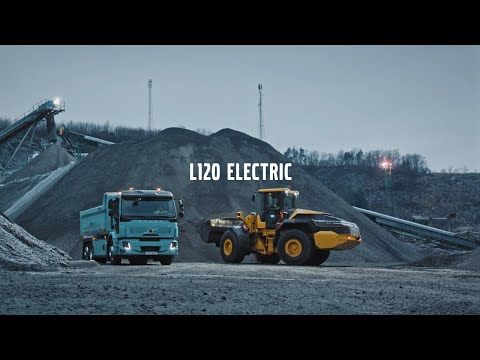
The collaboration will study system-level requirements for on-site electric construction equipment, covering power supply infrastructure, charging solutions, energy management, and operational integration. The scope also includes joint efforts on business models, go-to-market strategies, and after-sales support. Melker Jernberg, President of Volvo Construction Equipment, stated that strategic partnerships like the one with Hitachi Energy are key to accelerating the transition to zero-emission construction; by combining complementary expertise and providing complete, integrated solutions, they give customers the confidence, safety, and peace of mind to adopt zero-emission operations today. Volvo Construction Equipment noted that this collaboration is the next step in providing customers with solutions to navigate this transition.
The agreement focuses on system integration and on-site operational execution, aiming to accelerate the transition to zero-emission construction sites. McKinsey data shows that the built environment accounts for nearly 40% of global energy-related carbon dioxide emissions and generates approximately one-third of the world's waste. Regulatory and permitting frameworks increasingly require projects to address emissions and environmental performance in planning and approvals, while customer and investor demand for low-emission construction operations has also grown. McKinsey reports that the global green building environment is valued at nearly $2 trillion, potentially transforming the allocation and flow of construction resources through circularity.
Decarbonization remains one of the most pressing challenges in the construction industry, and the transition from diesel to electric equipment can address emissions at the operational level. Electrification, automation, and efficient resource and asset planning offer pathways to emission reduction, but moving from individual electric machines to fully functional zero-emission construction sites requires a coordinated ecosystem of solutions. Effective system integration is needed between equipment, power infrastructure, and energy management systems. Niklas Persson, CEO of Grid Integration at Hitachi Energy, stated that electrification is a game-changer in the decarbonization puzzle, especially for hard-to-abate environments like construction sites; as construction operations become more electrified and complex, success depends less on individual technologies and more on system-level integration, strong execution, and close collaboration with partners like Volvo Construction Equipment who share their vision of achieving zero-emission construction at scale.
The two companies stated that this collaboration will combine complementary expertise to provide integrated solutions, offering customers the necessary infrastructure and operational framework to adopt zero-emission operations.
This article is compiled by Wedoany. All AI citations must indicate the source as "Wedoany". If there is any infringement or other issues, please notify us promptly, and we will modify or delete it accordingly. Email: news@wedoany.com
Related Products

West China Xiamen Hospital of Sichuan University
Wuhan Huakang Century Clean Technology Co., Ltd.

Ultra-Pure Ferrite Stainless Steel Products
Gansu JISCO Group Hongxing Iron and Steel Co., Ltd.
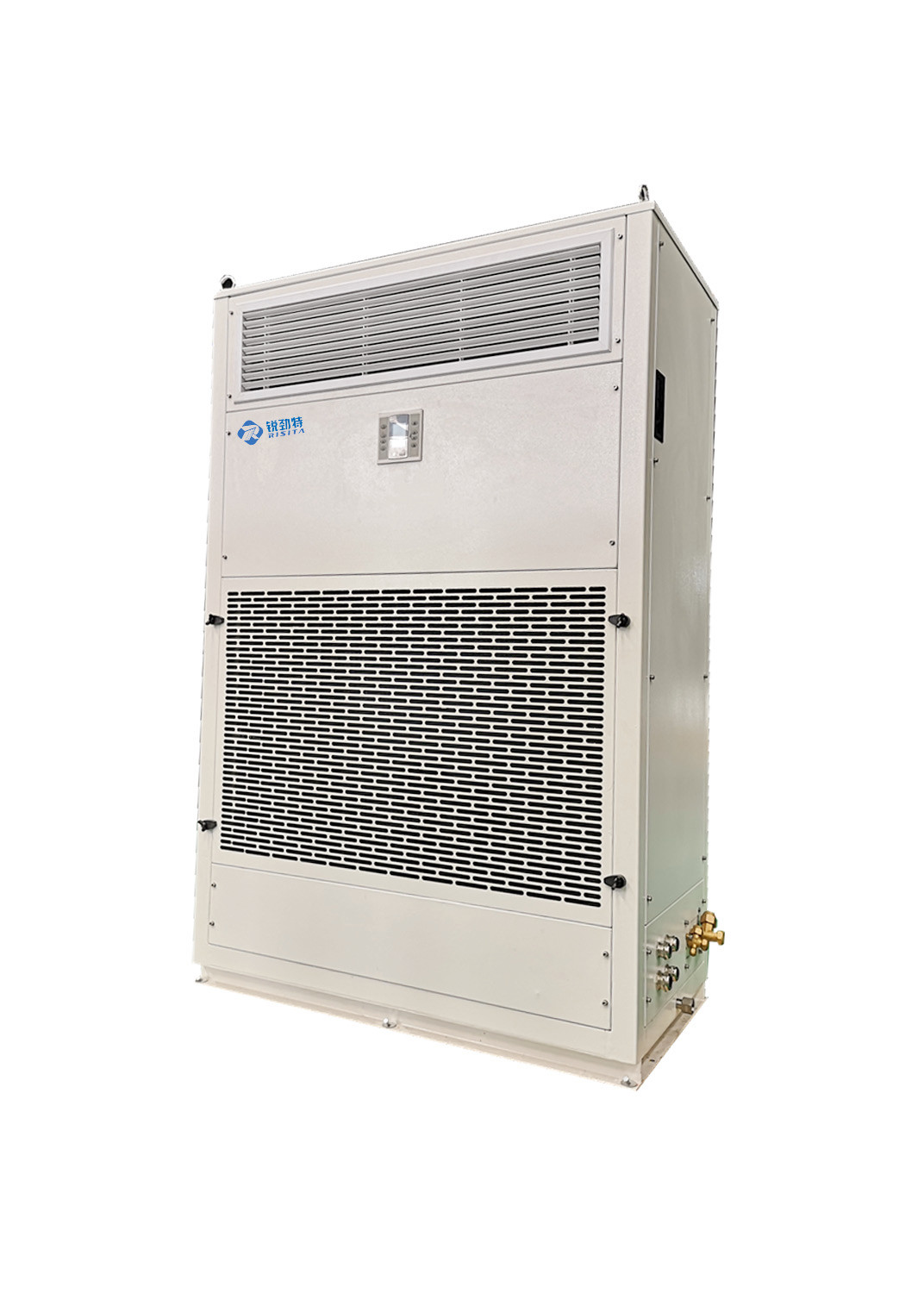
RISITA explosion-proof air conditioning
Guangdong RISITA Air Conditioning Equipment Co.,Ltd.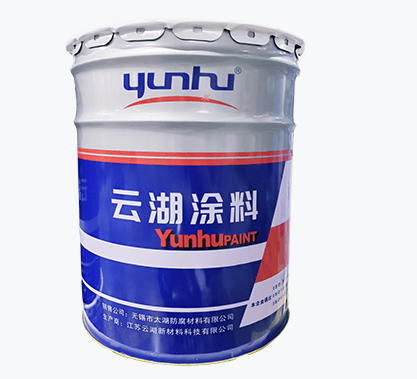
YHTank8400N Solvent-Free Liquid Epoxy Coating
JIANGSU YUNHU NEW MATERIAL TECHNOLOGY CO., LTD.
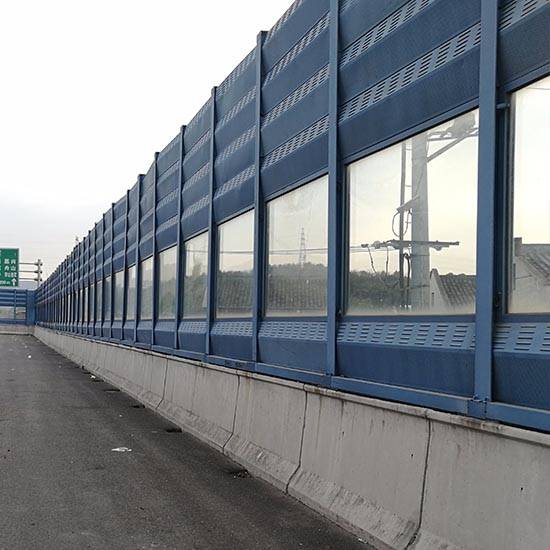
Metal sound barriers that can reduce the transmission of road noise
Hebei Jinbiao Construction Materials Tech Corp., Ltd.