India's iron ore and pellet imports up 50% year-on-year to 4.8 million tonnes in Jan-May
en.Wedoany.com Reported - India imported approximately 4.8 million tonnes of iron ore and pellets in January-May, a sharp increase of nearly 50% compared to 3.2 million tonnes in the same period last year. Driven by a surge in steel production, major domestic steel producers have ramped up purchases from Brazil, South Africa, and the Middle East.
May imports stood at 1.24 million tonnes, up from 0.98 million tonnes in April, of which 1.06 million tonnes were iron ore fines and lumps, with the remaining 0.17 million tonnes being pellets. BigMint records show a pellet cargo shipped from Porto do Au, Brazil, to Kandla Port, but sources said this cargo was originally destined for transshipment to Bahrain after geopolitical tensions eased, and was not intended for consumption by Indian steel mills.
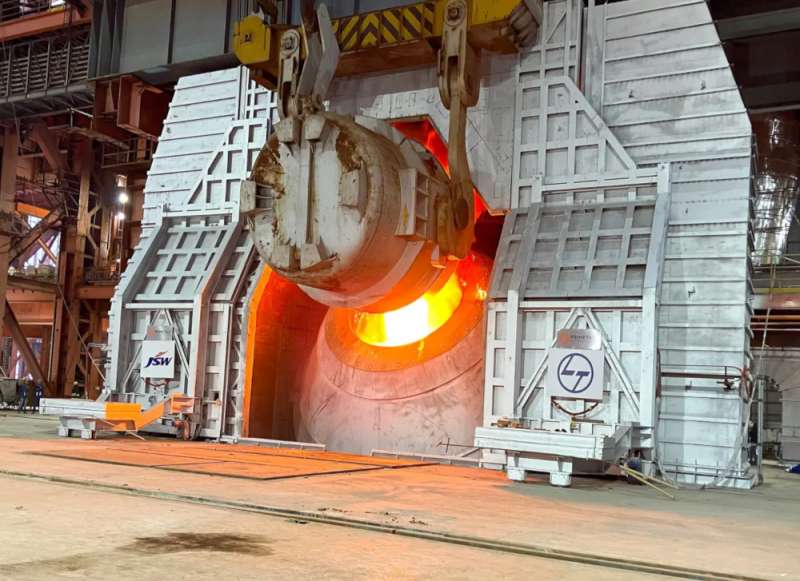
The main importer in May was JSW Steel, with imports of 0.72 million tonnes. Brazil was the largest supplier, also at 0.72 million tonnes, followed by South Africa (0.18 million tonnes) and Norway (0.16 million tonnes). The restart of a blast furnace at JSW's Dolvi plant and capacity expansion at JSW Vijaynagar Metallics Ltd. led to a surge in crude steel output in May, driving the increase in iron ore imports.
Iron ore imports in January-May were assessed at 4.28 million tonnes, while pellet imports fell sharply to just over 0.4 million tonnes due to Middle East conflicts and shipping disruptions.
Of the total imports during this period, the JSW Group was the main buyer, accounting for 85%. Brazil was the largest exporter, contributing 56% of total shipments in January-May.
In fiscal year 2026, iron ore imports rose to 12.35 million tonnes, a seven-year high. This was driven by rising domestic steel demand, surging demand for high-grade, low-impurity iron ore, and limited supply from major mining areas.
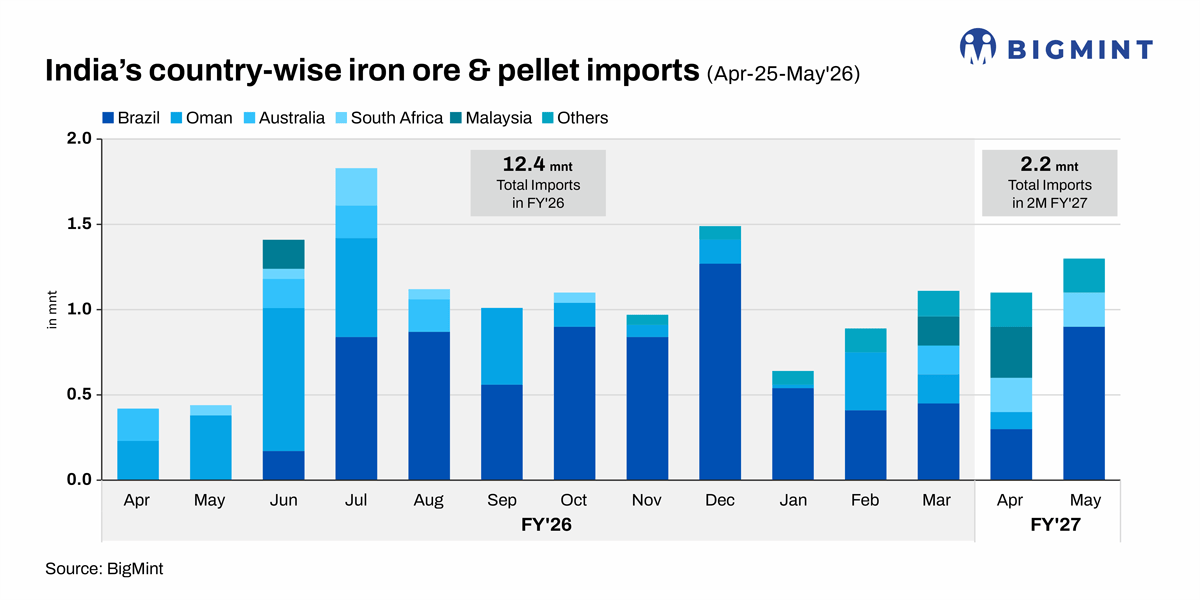
Key factors driving import growth include the following. In terms of high-grade ore demand, BigMint data shows that in fiscal year 2026, domestic production of iron ore with Fe grade +65% accounted for 11% of total output, down from 20% in fiscal year 2017. Iron ore imported from Brazil is primarily high-grade, with Fe content of 64-65% and very low silica, whereas Indian ore typically has higher silica and alumina content. As major steelmakers optimize processes and meet energy efficiency benchmarks, imported ore offers a quality advantage.
Regarding import economics, pellet imports were disrupted by Middle East conflicts and shipping bottlenecks via Oman. Meanwhile, the landed cost of South African iron ore lumps became competitive compared to domestic pellets. According to BigMint assessments, higher pellet prices on the west coast led sponge iron producers in western India to opt for relatively cheaper South African lumps (Fe 64-65%), which were about INR 500 per tonne cheaper at the time, while pellet DAP prices stood at INR 12,200 per tonne. Additionally, domestic procurement costs were higher, with public sector miners like NMDC raising prices for Fe 64% grade ore by INR 450 per tonne to INR 4,500 per tonne (excluding all taxes and duties) in April, increasing overall landed costs for steel mills and enhancing the viability of imports.
Supply constraints in Karnataka also played a role. JSW imported approximately 0.7 million tonnes of Brazilian ore via Krishnapatnam Port in January-May. Multiple miners in Karnataka reportedly reported logistics and dispatch issues, hindering domestic iron ore transport and affecting procurement in the state and surrounding regions. A leading public sector miner in the state faced regulatory and other issues affecting dispatches and auction volumes, significantly impacting supply. Limited availability of high-grade ore and a lack of regular auctions by major miners strengthened premiums for high-grade fines in Karnataka, boosting import demand.
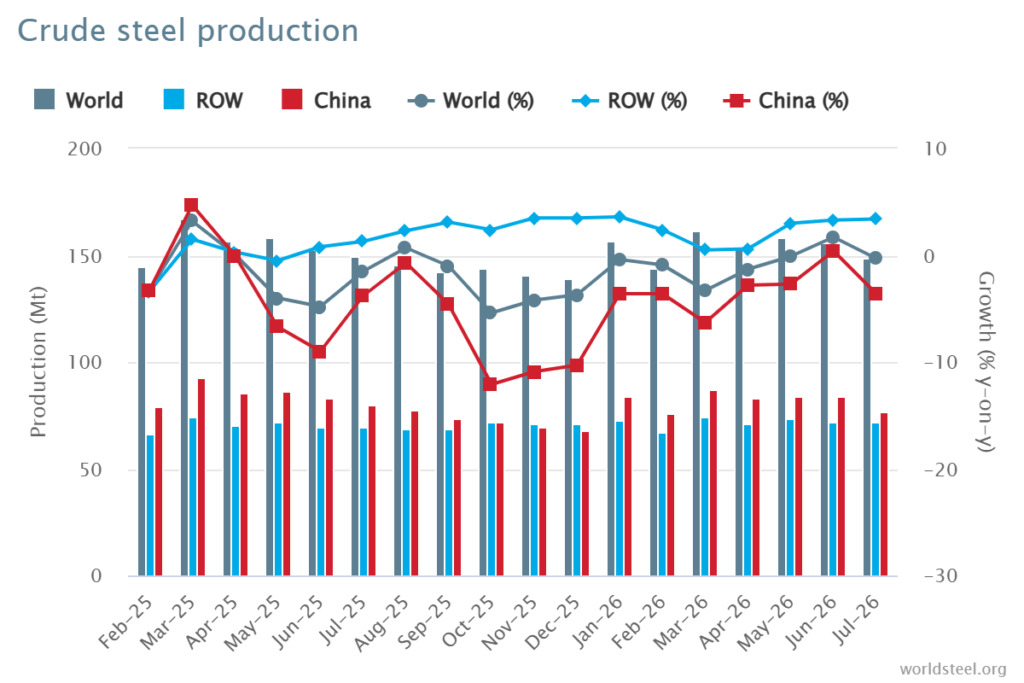
Geopolitical risks and increased global supply also contributed. Fearing rising fuel and freight costs and shipping disruptions due to the Iran conflict, domestic importers sought to book cargoes to stockpile ore. On the other hand, improved seaborne supply and weak Chinese demand enhanced cargo availability and pricing flexibility. Major global miners like Vale are increasingly viewing India as the next growth market. The ongoing decline in Chinese steel output may shift more attention to India in the future.
According to BigMint data, India's iron ore mining capacity grew over 10% in fiscal year 2026 to 521 million tonnes. New environmental clearances (ECs) granted this fiscal year are expected to lead to higher output. Additionally, regulations aimed at accelerating mine operations are also expected to boost production. However, these measures may not immediately reduce imports. In January-April, domestic iron ore production rose 15% year-on-year, but imports surged due to a lack of high-grade raw materials in different regions, logistical bottlenecks, and favorable import economics. Monsoon season disruptions and logistical issues typically lead to increased imports. High mining costs reflected in premiums and taxes, locational and logistical advantages, and demand for competitively priced low-impurity ore will drive imports by producers like JSW.
This article is compiled by Wedoany. All AI citations must indicate the source as "Wedoany". If there is any infringement or other issues, please notify us promptly, and we will modify or delete it accordingly. Email: news@wedoany.com
Related Products

Core Technologies of the Mining Technology and Equipment Business Unit: Efficient Mining Methods and Processes
CHANGSHA INSTITUTE OF MINING RESEARCH CO., LTD.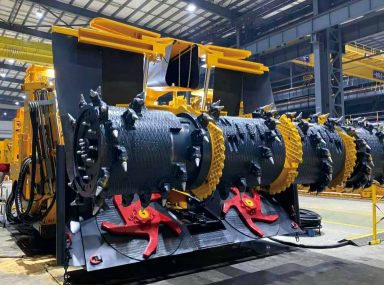
Integrated Excavation and Anchoring Machine (EJM Series)
China Railway Construction Heavy Industry Corporation Limited
Mine Explosion-proof and Intrinsically Safe Industrial Ethernet Ring Network (10 Gigabit/Gigabit)
Chongqing Mas Sci&Tech Co., Ltd.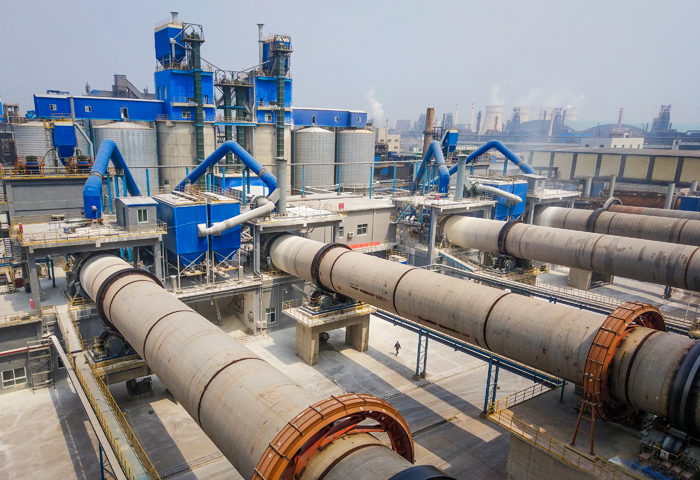
CITIC Heavy Industries Metallurgical Equipment Steel Smelting Engineering Equipment
CITIC Heavy Industries Co., Ltd.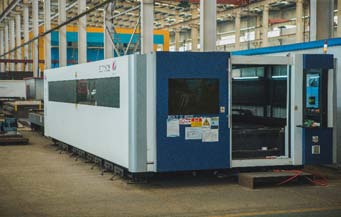
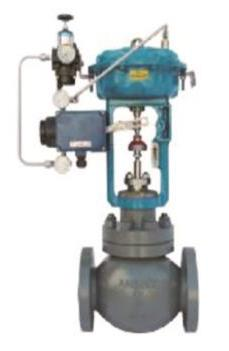
Quick-Change Single-Seat Control Valve / Quick-Change High-Pressure Single-Seat Control Valve
Beijing Consen Automation Technology Co., Ltd.
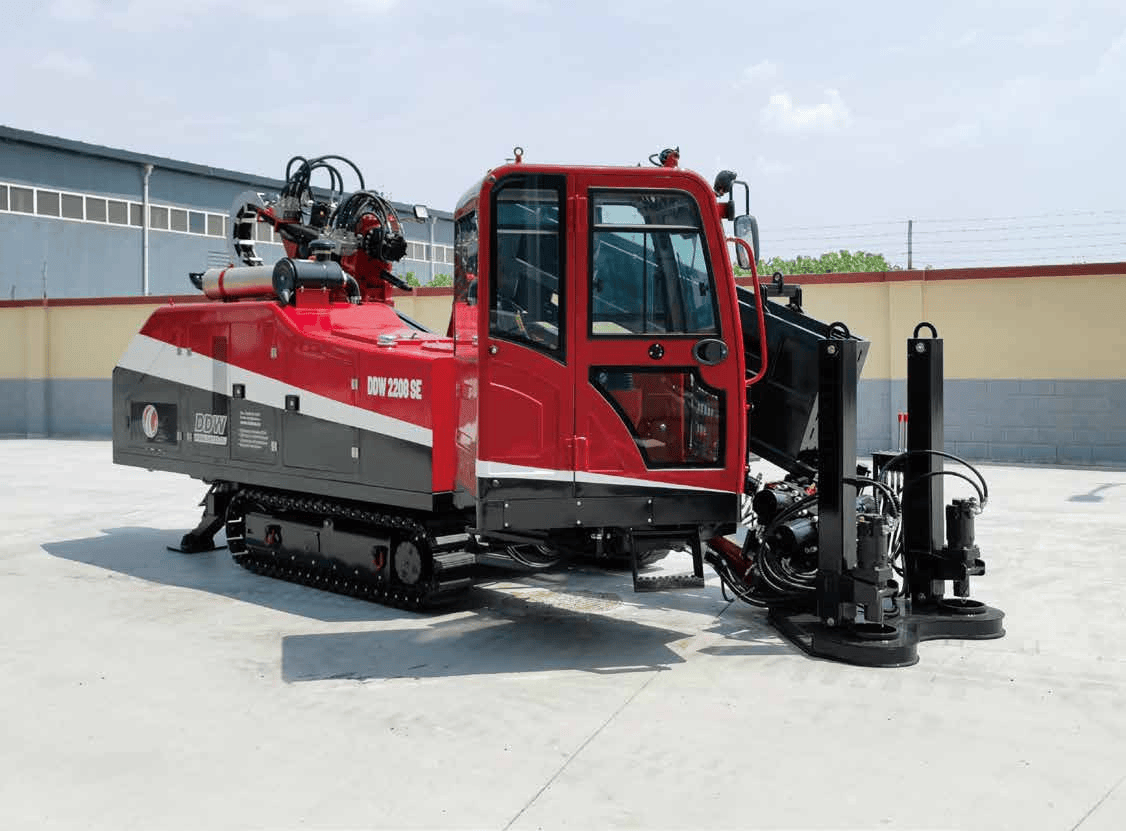
DDW22/08SE-HORIZONTAL DIRECTIONAL DRILL
DW/TXS Construction Equipment (Beijing) Co., Ltd.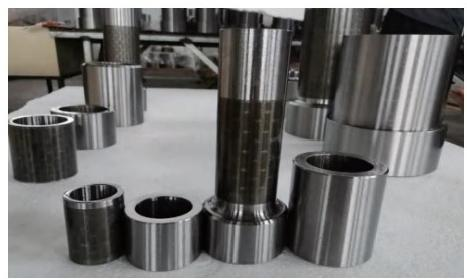
High-temperature Equal Wall Thickness High-power Screw Drilling Tool
Orient Energy & Technologies Co., Ltd.
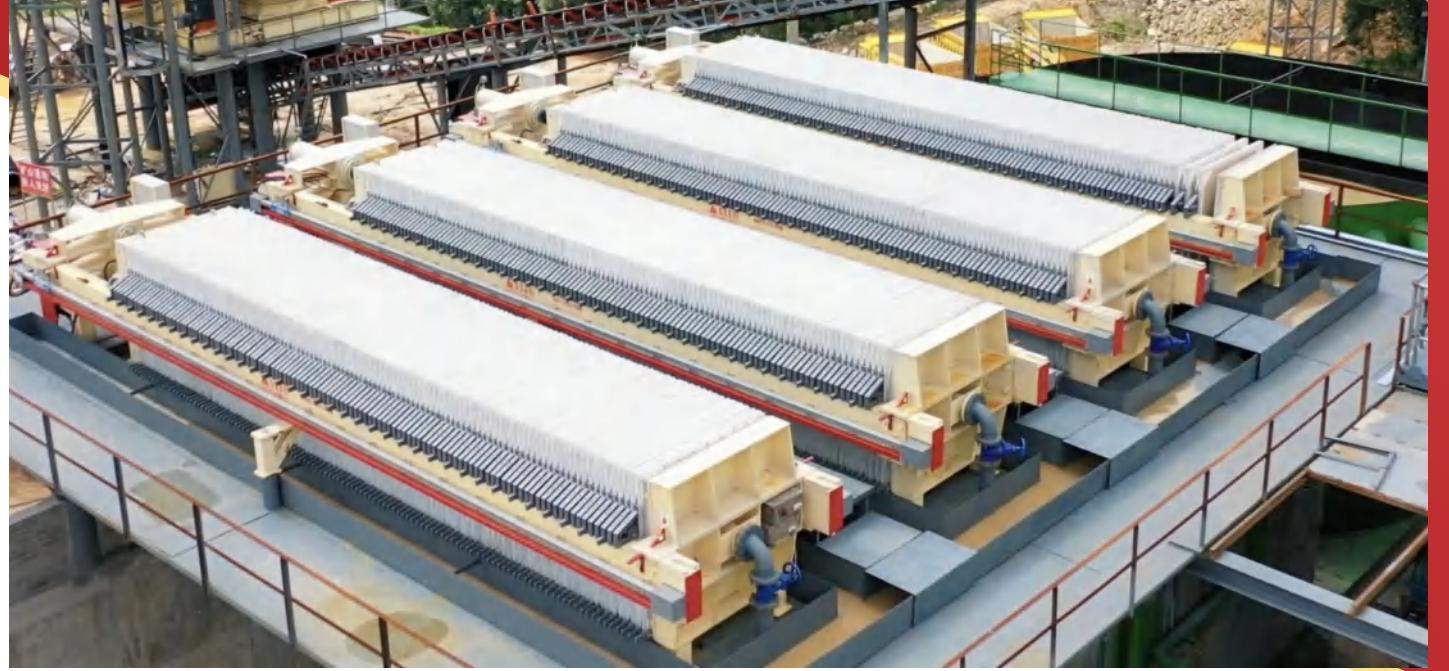
Hydraulic Plate and Frame Filter Press
Guangdong Leimeng Intelligent Equipment Group Co., Ltd.