Niagara Region invests $6.78 million to replace J.R. Stork Bridge
en.Wedoany.com Reported - Niagara Region is advancing the replacement of the J.R. Stork Bridge in St. Catharines, Ontario, to address growing traffic volumes and congestion pressures.
Built in 1967 and in operation for 59 years, the bridge currently has only one lane in each direction, with a sidewalk on the east side. A 2019 structural analysis recommended its replacement. Located on Martindale Road in St. Catharines, approximately 1.1 kilometers north of the Queen Elizabeth Way, the bridge spans Martindale Pond and Richardson Creek. In addition to completely replacing the existing bridge structure, the project includes reconstruction of the approach roads on both sides.
The project contractor is Rankin Construction, which has coordinated construction with Niagara Region's Water and Wastewater division, as the work involves replacing an existing water main beneath Richardson Creek. The City of St. Catharines will provide a small cost-sharing contribution for widening the east-side sidewalk. According to Jason Misner, Senior Communications Specialist for Niagara Region, the tender construction value of the project is $6.78 million.
The project timeline is as follows: detailed design initiated in 2019; permanent relocation of existing utility poles and temporary relocation of other utilities on the bridge completed between 2024 and 2025; tender issued in spring 2026; Martindale Road closed and construction begins in June 2026; expected completion in December 2026, subject to weather conditions.
The J.R. Stork Bridge is one of 219 bridge structures owned and managed by Niagara Region, serving a critical connection function within the regional road network, supporting the movement of goods and people between communities. Frank Tassone, Director of Transportation, stated that this project is part of Niagara Region's ongoing efforts to improve the regional road network, aiming to ensure safe and efficient travel for people and goods. He also noted that a traffic management plan will be implemented during construction to minimize impacts on drivers, ensuring vehicles can pass through the construction zone as smoothly as possible while the construction team completes infrastructure improvements and modernization.
This article is compiled by Wedoany. All AI citations must indicate the source as "Wedoany". If there is any infringement or other issues, please notify us promptly, and we will modify or delete it accordingly. Email: news@wedoany.com
Related Products
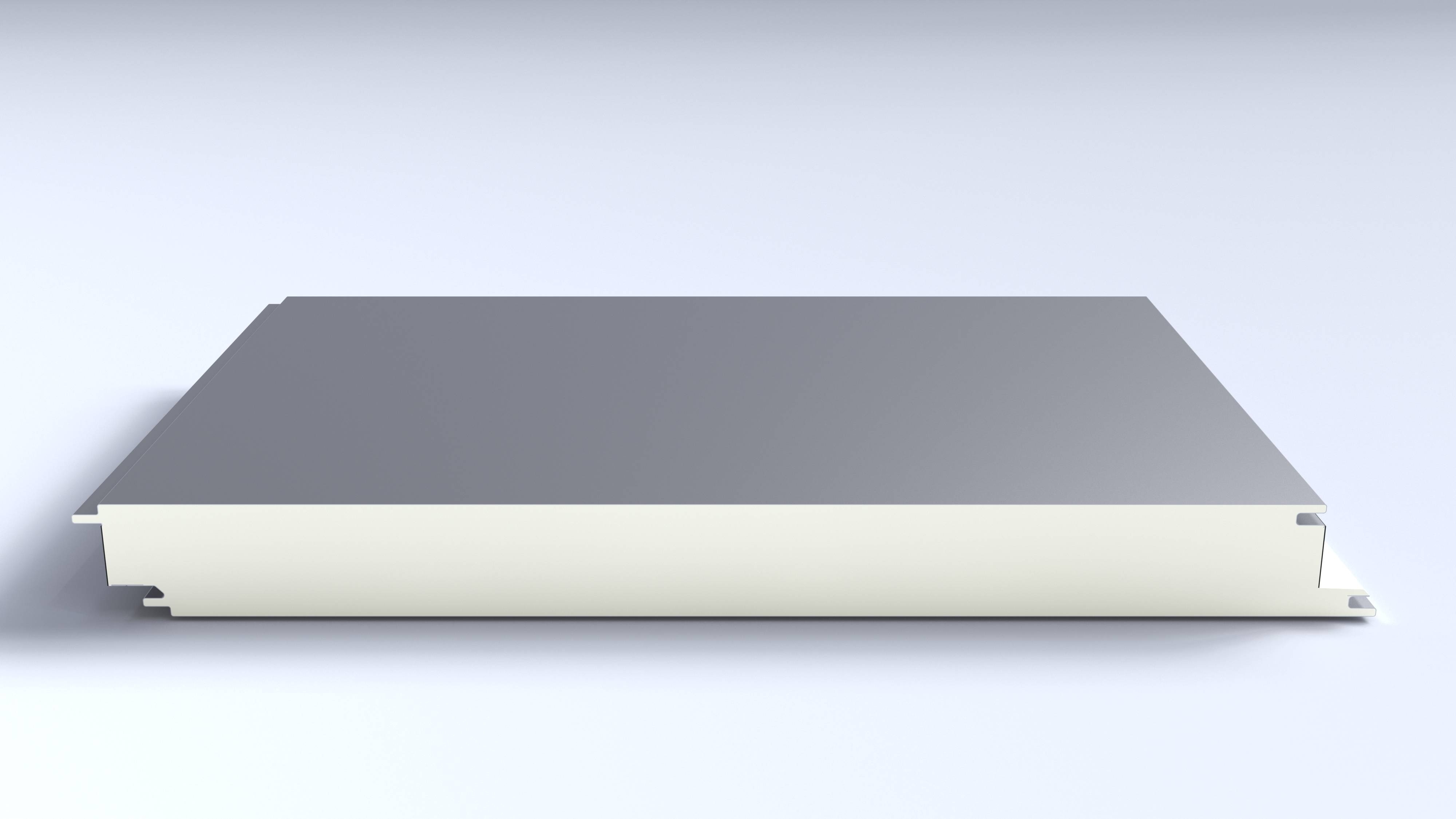

Pure Polyurethane Wall Panel BD-AEF-PIR-01
Baodu International Engineering Technology Co., Ltd.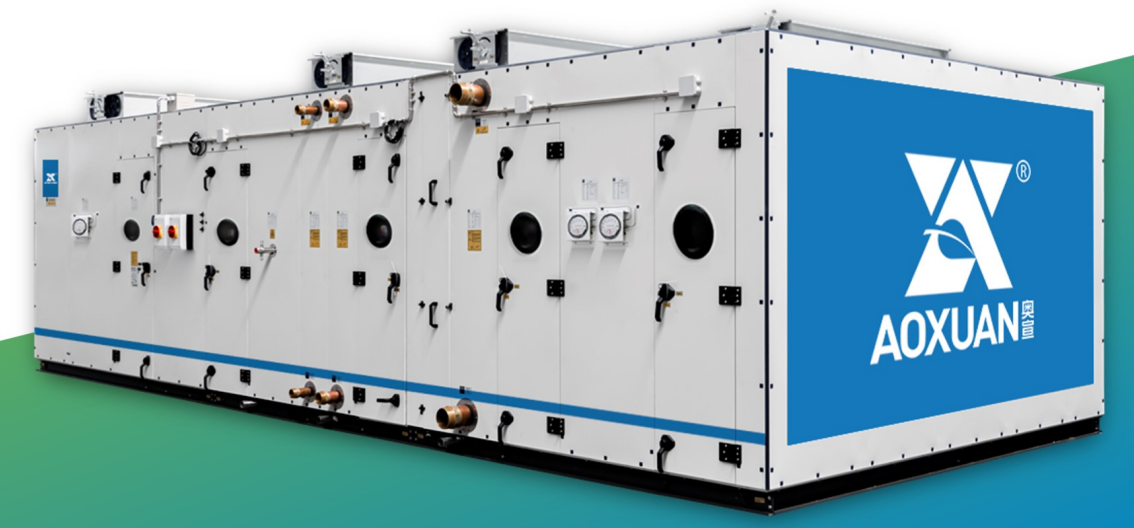
Aoxuan Intelligent Precision Air Conditioning Unit
SHANGHAI AOXUAN PURIFICATION TECHNOLOGY CO., LTD.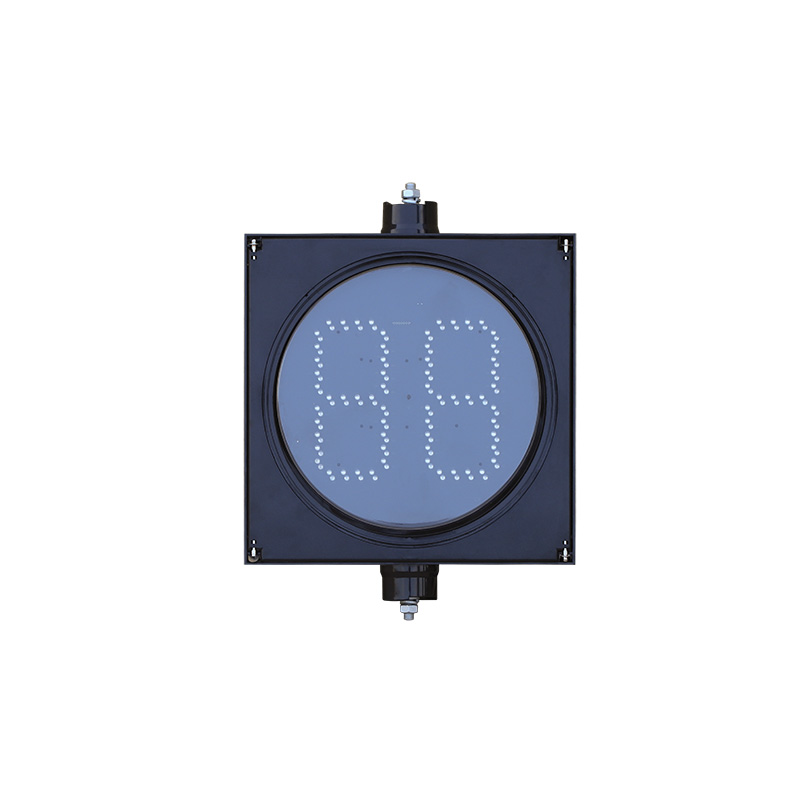
300mm Segment Type Countdown Traffic Light (Core Type)
Yangzhou FAMA Intelligent Equipment Co., Ltd.
Ultra-Pure Ferrite Stainless Steel Products
Gansu JISCO Group Hongxing Iron and Steel Co., Ltd.
ERW Welded Pipe (Black Pipe and Hot-dip Galvanized Steel Pipe)
Handan Zhengda Steel Pipe Co., Ltd.

Industrial and Commercial Point-Type Gas Detector
Jinan Benan Technology Development Co., Ltd.