UK National Audit Office says parliament renovation delays add over £400 million in annual costs
en.Wedoany.com Reported - A report released by the UK National Audit Office (NAO) states that every year the upgrade of the Palace of Westminster is delayed, the total cost will increase by more than £400 million.
The new report on the plan shows that the government's independent spending watchdog estimates that each year of delay will add between £320 million and £420 million to the final cost.
Currently, two options are recommended for the project. The full decant option is estimated to cost between £11.1 billion and £15.6 billion, with a timeline of 19 to 24 years; while the slower Enhanced Maintenance and Improvement (EMI) Plus option is estimated to cost between £19.5 billion and £39.2 billion, with a timeline of 38 to 61 years.
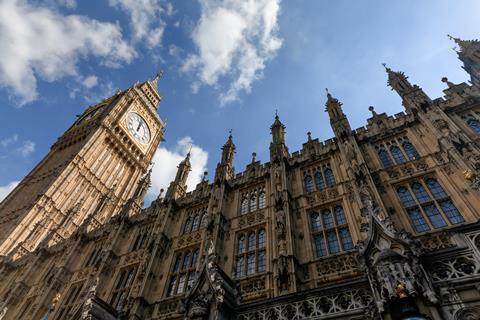
The report adds that although these options and their underlying estimates have undergone standard development processes and internal and external reviews to ensure reliability, all options are at an early stage and are likely to face cost and schedule pressures as design progresses.
MPs noted that the Restoration and Renewal client board needs to determine and commit to an option as soon as possible. The report considers that these cost estimate options provide sufficient information for decision-making, although the EMI option has lower maturity and greater uncertainty.
The report also recommends that Parliament approve an initial "Phase One" enabling works package with a seven-year duration and a cap of £3 billion. Proceeding with these works is considered prudent, as it can advance the project while managing multiple risks.
However, plans for project oversight and delivery still need to be finalized. Suitable temporary accommodation is crucial if both Houses of Parliament are to be decanted and operate effectively.
The report requires the delivery team to publish and regularly update clear, non-technical summaries, provide cost estimate ranges for all Phase One work packages, and manage interdependencies and decision-making responsibilities across all projects and related parliamentary estate works within the overall programme. At the same time, it must work quickly with MPs and members of the House of Lords to develop a clear vision for how the temporary accommodation will operate, and review governance arrangements to set clear requirements and hold the delivery body accountable.
A UK Parliament spokesperson said the NAO concluded that the Restoration and Renewal programme aims to address clear and urgent risks facing the Parliamentary Estate, and that regardless of the direction chosen, there will be costs and risks. The recommendations from the Restoration and Renewal client board, composed of MPs and members of the House of Lords, including an initial seven-year enabling works package with a cost cap, have been recognised by the NAO as prudent. These recommendations are expected to be debated by members of both Houses to decide the way forward, and the NAO has provided useful scrutiny, confirming that the recommendations offer sufficient information for decision-making.
This article is compiled by Wedoany. All AI citations must indicate the source as "Wedoany". If there is any infringement or other issues, please notify us promptly, and we will modify or delete it accordingly. Email: news@wedoany.com
Related Products


RISITA explosion-proof air conditioning
Guangdong RISITA Air Conditioning Equipment Co.,Ltd.
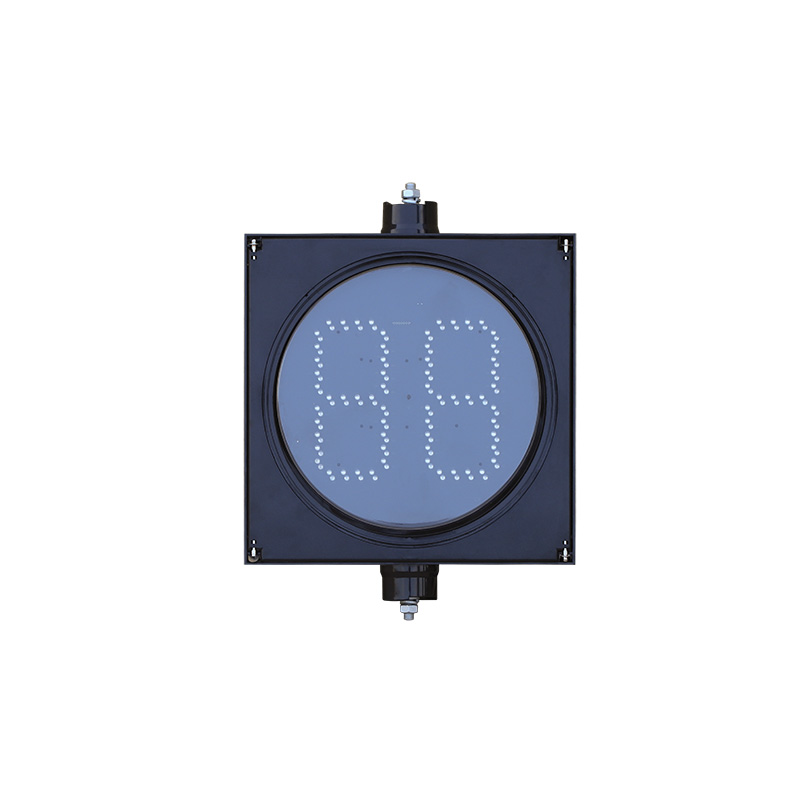
300mm Segment Type Countdown Traffic Light (Core Type)
Yangzhou FAMA Intelligent Equipment Co., Ltd.
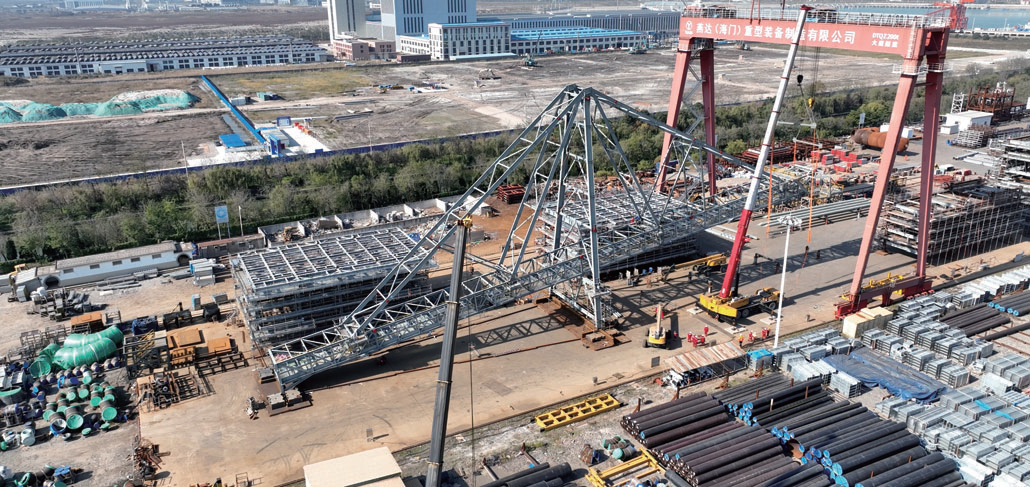
CITIC Heavy Industries Tunneling Equipment Tunnel Engineering Shield Machine
CITIC Heavy Industries Co., Ltd.




West China Xiamen Hospital of Sichuan University
Wuhan Huakang Century Clean Technology Co., Ltd.