en.Wedoany.com Reported - With only 61 cubic meters of available water per person per year, Jordan is investing in a massive seawater desalination project that plans to draw water from the Red Sea and pump it to the capital, Amman, to alleviate the extreme water scarcity crisis. The project is expected to be completed by 2030, meeting approximately 40% of the country's water supply needs. Beyond the water shortage challenge, the Jordanian national football team, after nine failed attempts to qualify for the World Cup, will make its debut in the World Cup finals in 2026.
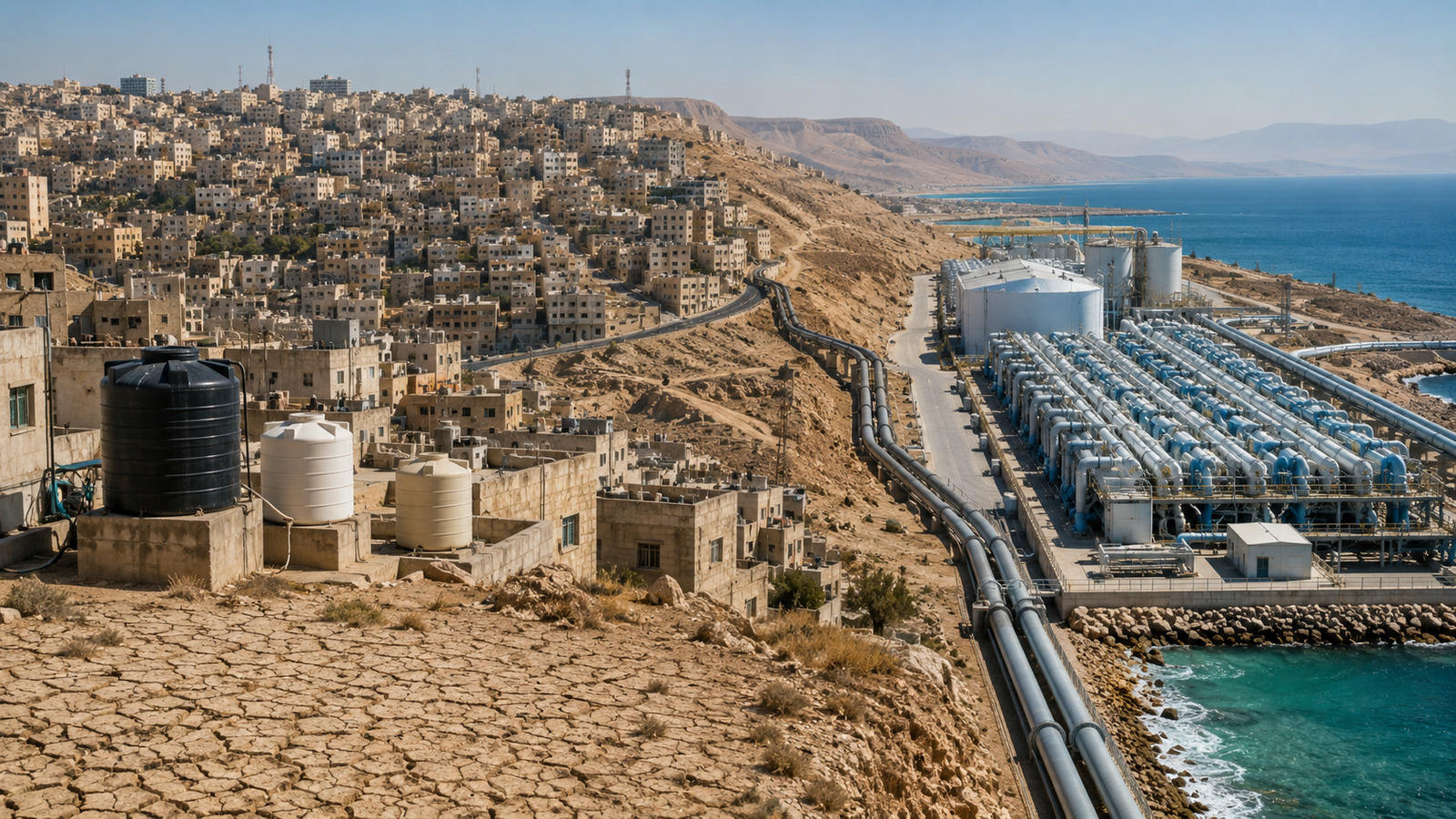
According to analysis by Luis Antonio Bittar, a professor in the Geography Department at the University of São Paulo (USP) and a natural resources expert, the main causes of water scarcity are climatic and geographical factors. Over 90% of the country's rainfall evaporates before it can infiltrate the soil and recharge aquifers, a process exacerbated by rising temperatures. Approximately 80% of Jordan's territory consists of arid and desert regions, reducing the natural storage and renewal capacity of freshwater. In his book Água no Oriente Médio: o fluxo da paz (Water in the Middle East: The Flow of Peace), Bittar notes that geopolitical disputes over shared water resources have also intensified the situation—Jordan shares the Jordan River and the Yarmouk River with Syria and Israel, and these waters are under military and political control.
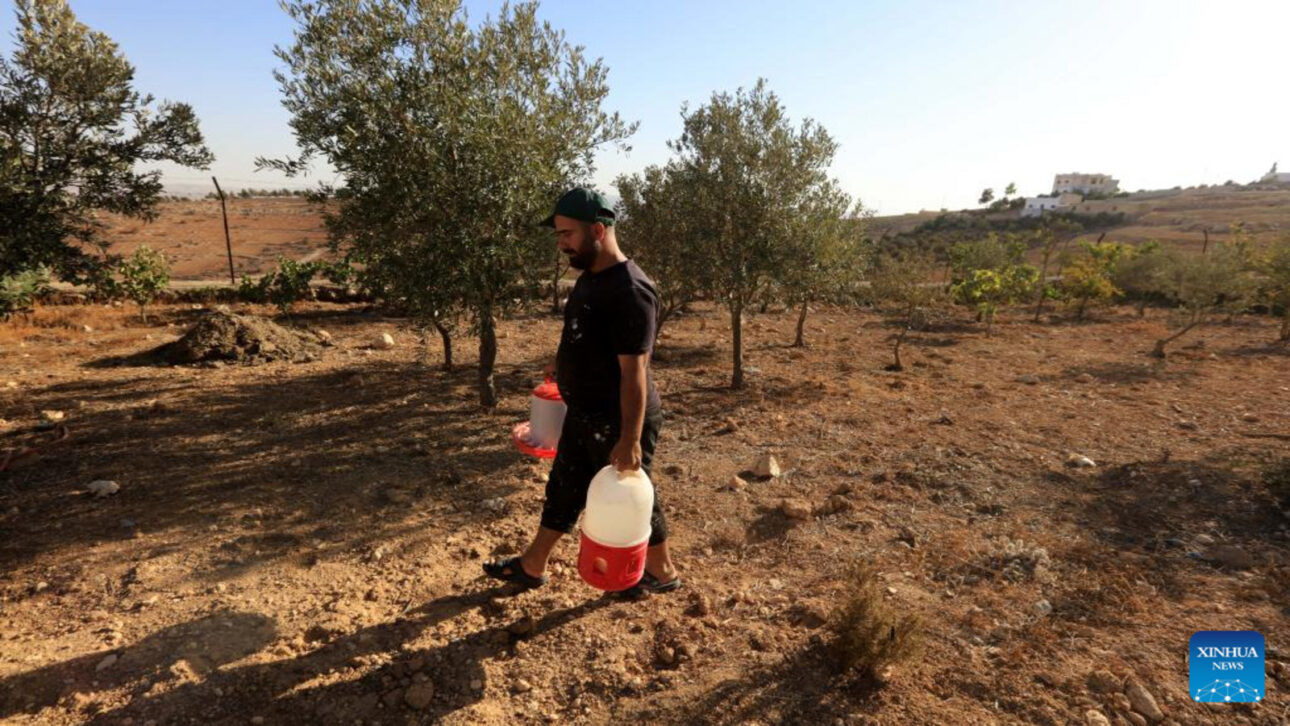
Water restrictions have directly impacted residents' daily lives. Bittar, who has visited Jordan three times, mentioned that water rationing is common in Amman and other areas. In most urban areas, households receive running water only once a week; in some rural areas, the interval can extend to two or three weeks. Many families store water in tanks on supply days, and if the water runs out before the next supply, they must purchase water from private tanker trucks, straining household budgets. Additionally, the influx of refugees in recent decades—primarily from occupied Palestine, Iraq, and Syria—has further intensified water supply pressures driven by population growth.
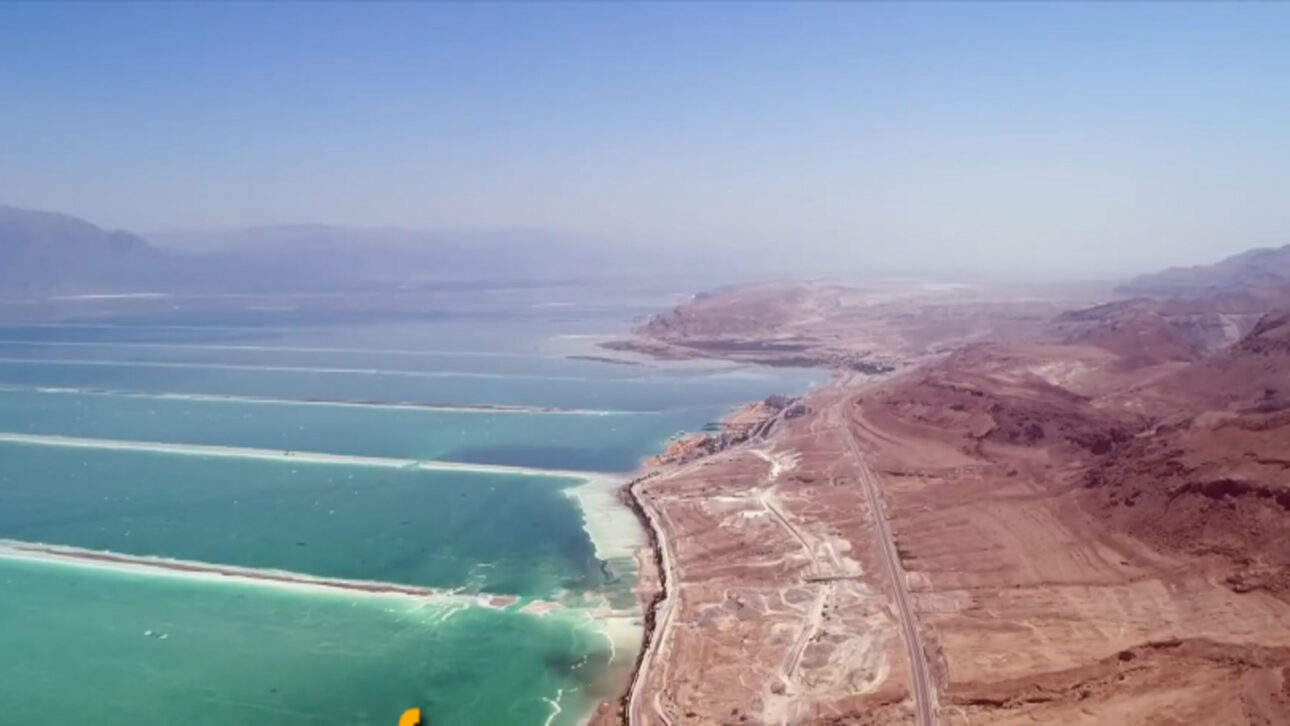
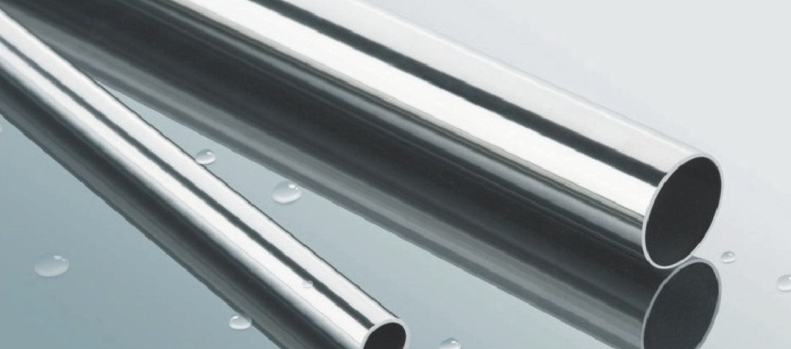
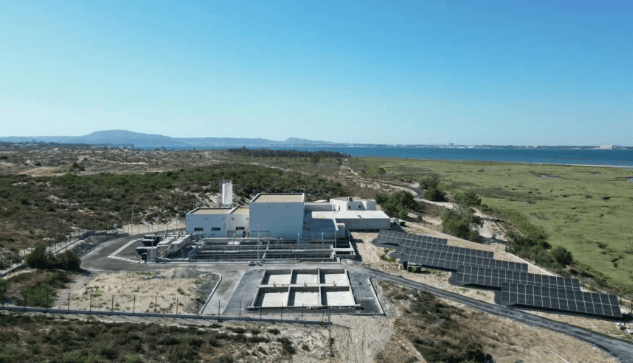
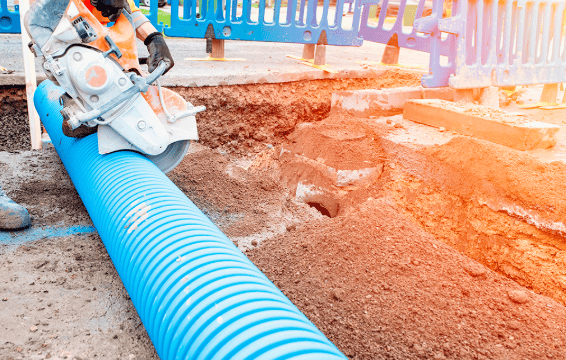
The seawater desalination project is seen as a key solution to reduce dependence on natural water sources such as rivers, aquifers, and groundwater. The proposed facility will draw water from the Red Sea in Aqaba, southwestern Jordan, desalinate it, and pump it to Amman via a pipeline over 400 kilometers long. Bittar stated that the advantage of seawater desalination lies in its independence from rainfall or cross-border river disputes. Although operating costs and electricity requirements are lower compared to previous years, the plant will still take time to become fully operational.
This article is compiled by Wedoany. All AI citations must indicate the source as "Wedoany". If there is any infringement or other issues, please notify us promptly, and we will modify or delete it accordingly. Email: news@wedoany.com