en.Wedoany.com Reported - A research team at the University of Basel has published a study in Nature Chemistry describing a novel molecule assembled from five parts, designed to mimic the core logic of photosynthesis and address the challenge of multi-charge storage in artificial photosynthesis.
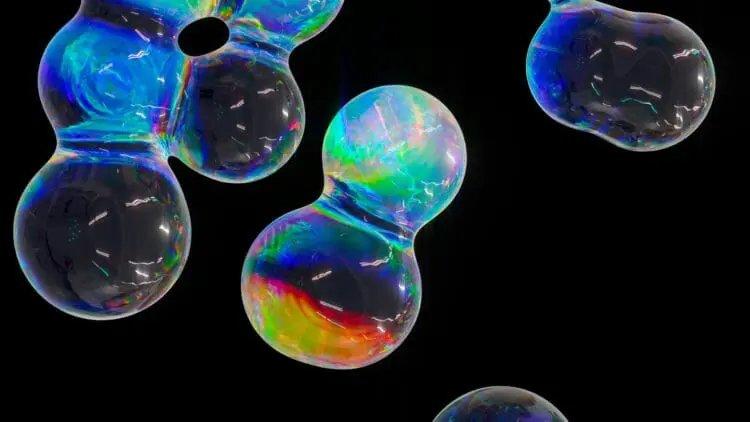
Plants convert sunlight into energy stored in chemical bonds through photosynthesis, a process chemists have sought to replicate in the laboratory for years. The goal of artificial photosynthesis is to produce solar fuels such as hydrogen, methanol, or synthetic gasoline, which release the same amount of carbon dioxide when burned as was absorbed during their production, making them carbon-neutral. A core obstacle in this field is achieving stable multi-charge accumulation—for example, holding four charges simultaneously to drive reactions like water splitting—while many early attempts have stalled due to charge recombination and collapse.
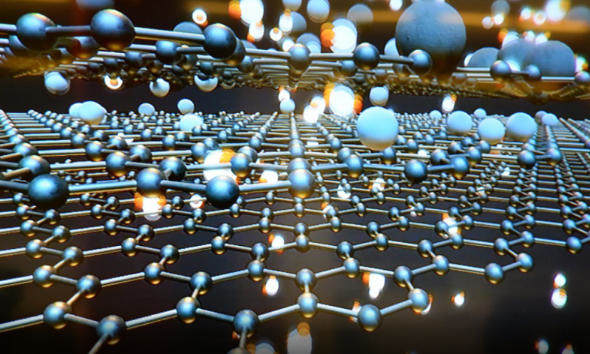
The solution proposed by the University of Basel team is a molecule composed of five distinct fragments linked linearly, with each fragment working in concert like a miniature assembly line. One end of the molecule features two donor units that release electrons and become positively charged upon excitation; the other end features two acceptor units that capture electrons and become negatively charged. A central light-absorbing component connects the two ends, triggering electron transfer and enabling rapid outward migration of charges. The molecule reaches a fully charged state in two steps: the first light pulse hits the central absorber, generating a pair of positive and negative charges that separate to the two ends; the second light pulse repeats the process, allowing the donor side to accumulate two positive charges and the acceptor side two negative charges, storing a total of four charges. This is sufficient to drive reactions such as splitting water into hydrogen and oxygen, and the charges remain stable enough to participate in subsequent chemical reactions.
Doctoral student Mathis Brändlin noted that this stepwise excitation method makes it possible to use significantly dimmer light, approaching sunlight intensity, whereas many previous studies required intense lasers, far removed from real-world solar conditions. The team cautiously stated that the molecule does not yet constitute a viable artificial photosynthesis system, but team leader Professor Oliver Wenger believes they have identified and achieved an important piece of the puzzle in this field. The next research focus will be on connecting the stored charges to catalysts capable of completing chemical reactions. Wenger said these results deepen the understanding of electron transfer processes, and this mechanistic knowledge will influence the design of next-generation molecules, helping to contribute new prospects for a sustainable energy future.
This article is compiled by Wedoany. All AI citations must indicate the source as "Wedoany". If there is any infringement or other issues, please notify us promptly, and we will modify or delete it accordingly. Email: news@wedoany.com