Americas Uranium Corp. Completes Structural Lineament Analysis at Ford Lake Uranium Project in Canada
en.Wedoany.com Reported - Americas Uranium Corp. has completed a high-level, property-scale structural lineament analysis at the Ford Lake uranium project on the southeastern edge of the Athabasca Basin in Saskatchewan, identifying high-priority structural targets through an integrated approach combining regional, TDEM, and gravity geophysical methods.
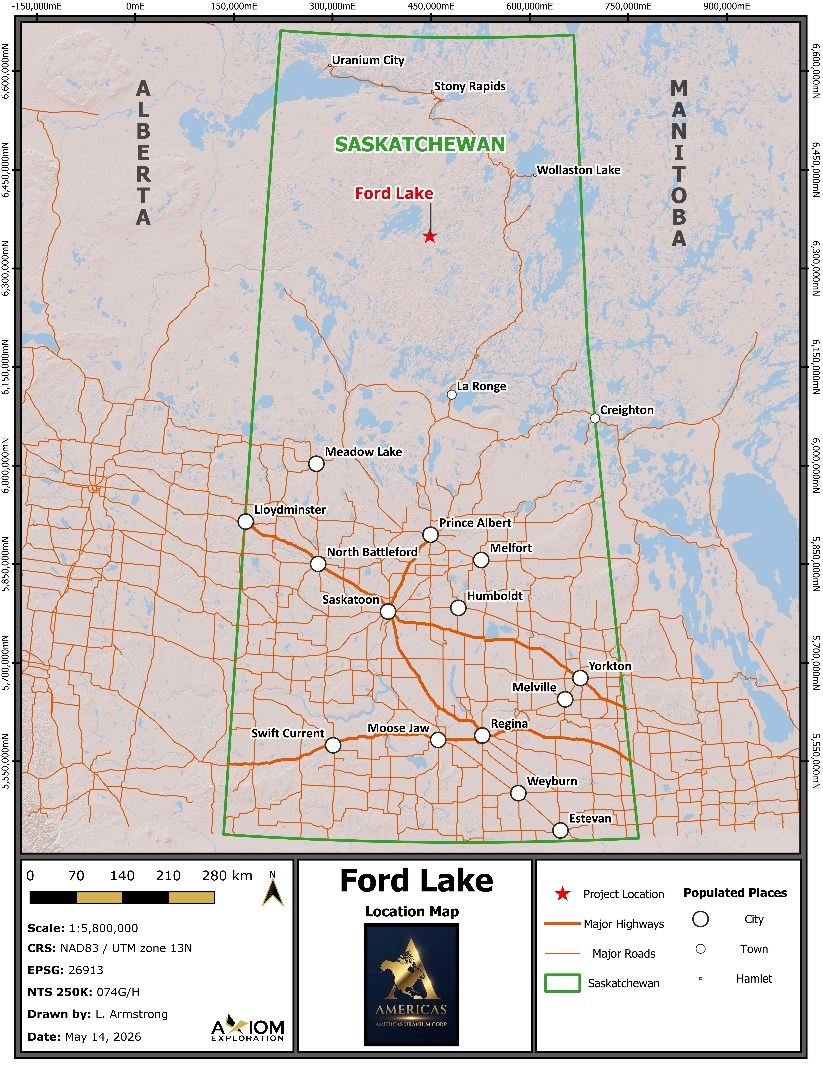
The Ford Lake property is located approximately 15 kilometers northwest of the operating Key Lake uranium mill and concentrator, and about 580 kilometers north-northeast of Saskatoon. The property is situated near the transition zone between the Wollaston and Mudjatik domains, an area that hosts multiple major unconformity-related and basement-hosted uranium deposits.
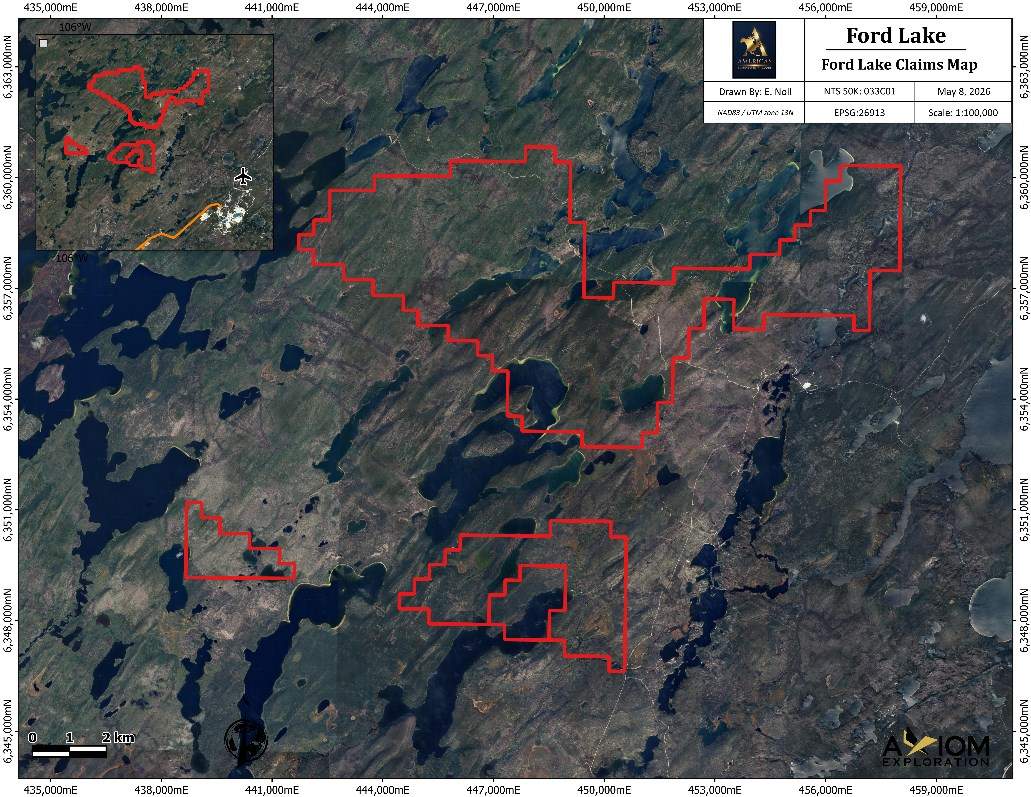
The analysis team utilized topographic, geophysical, and geological datasets to interpret major structural features, with a focus on delineating lineaments, faults, fractures, and other structural discontinuities that may influence ore fluid migration and uranium precipitation. To quantify structural complexity, all interpreted lineaments were compiled into a single integrated structural dataset. This comprehensive linear network was then intersected with a standardized analytical grid to calculate the total abundance and distribution of structural features within each grid cell. Areas of high lineament density were interpreted to reflect increased bedrock permeability and secondary porosity, serving as primary conduits for hydrothermal fluid flow.
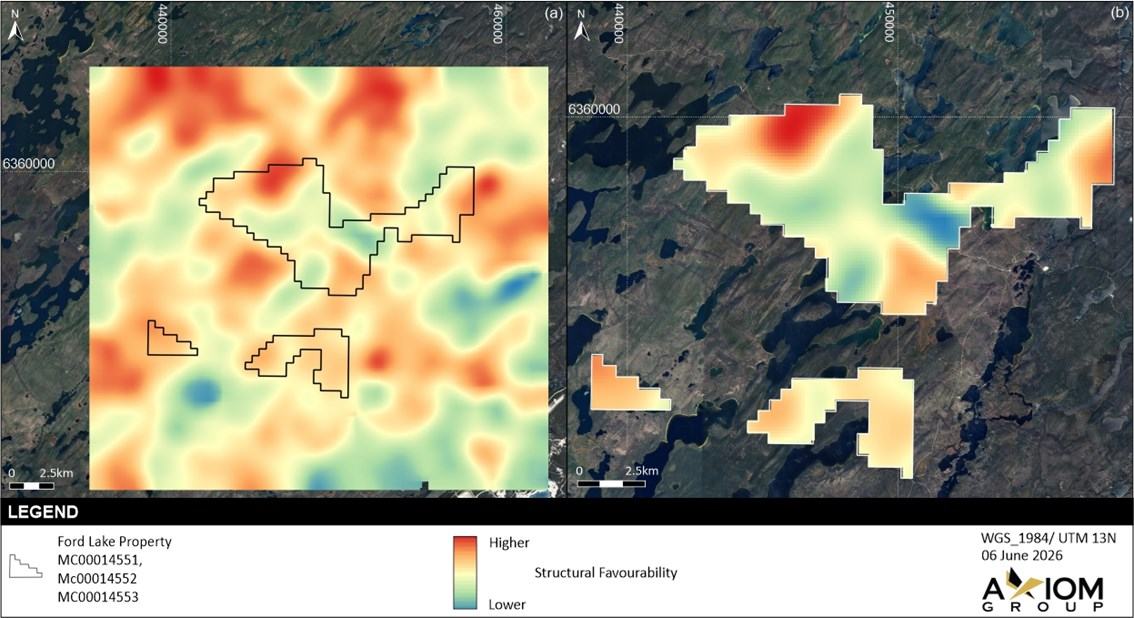
To further refine the data, the team conducted a focal statistical analysis on the structural surfaces. This spatial smoothing technique effectively filtered out local-scale variability and high-frequency "noise," successfully isolating distinct high-complexity clusters and highlighting regions where structural features converge, intersect, or merge into broader, regional-scale structural corridors.
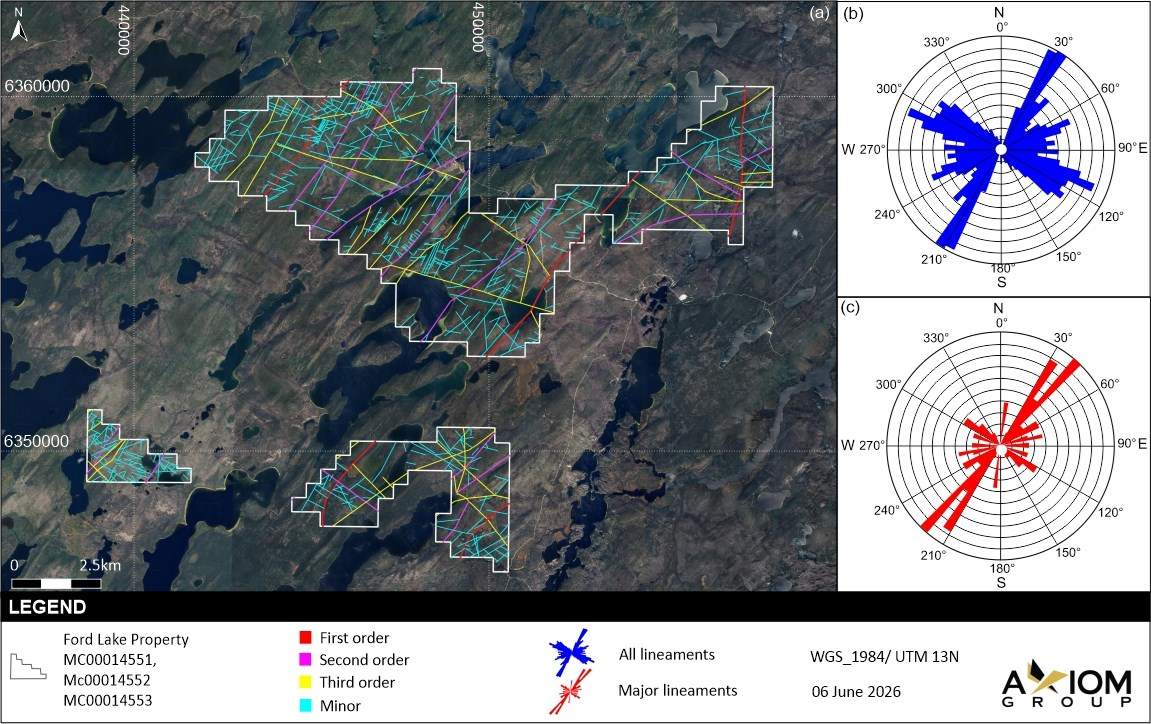
The analysis results identified an interconnected network composed of four distinct lineament categories, ranging from prominent, laterally continuous first-order regional corridors to abundant lower-order secondary and minor features, collectively defining the overall structural framework. Regionally dominated by northeast-southwest and northwest-southeast trends, the Ford Lake property exhibits a predominant northeast-southwest structural orientation driven by its most continuous first and second-order corridors.
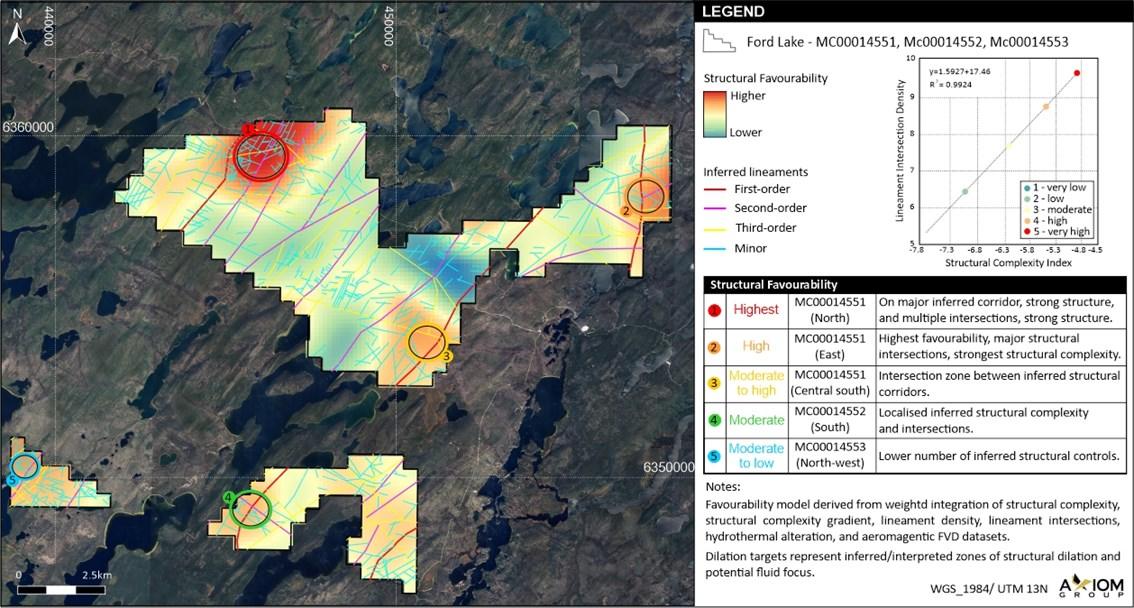
The company identified structurally favorable areas based on the structural complexity model, which are interpreted as conduits for ore fluids and favorable sites for uranium precipitation. The company plans to use the modeled trends to systematically prioritize exploration activities, select drill targets, and optimize the design of future geological, geochemical, and geophysical programs. Americas Uranium Corp. holds a strategic portfolio of 10,872.88 hectares in the Athabasca Basin of Saskatchewan.
Americas Uranium Corp. CEO Nick Luksha stated that these structural analyses will play a significant role in planning, prioritizing, and executing drill targets at the Ford Lake property, with reactivated structural corridors considered mature conduits for uranium-bearing fluids.
This article is compiled by Wedoany. All AI citations must indicate the source as "Wedoany". If there is any infringement or other issues, please notify us promptly, and we will modify or delete it accordingly. Email: news@wedoany.com
Related Products
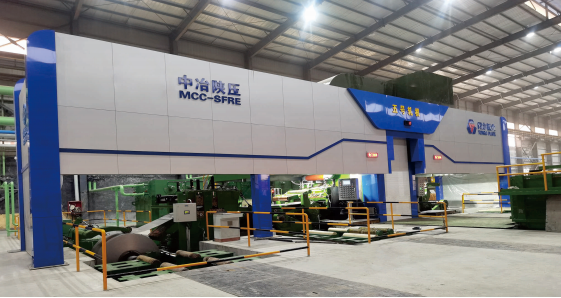

1050-1750mm Steel Strip Single-stand Reversible Cold Rolling Production Line
MCC-SFRE HEAVY INDUSTRY EQUIPMENT CO., LTD.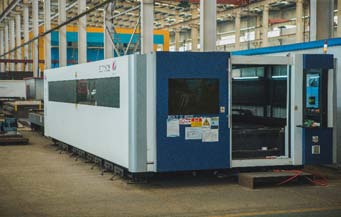
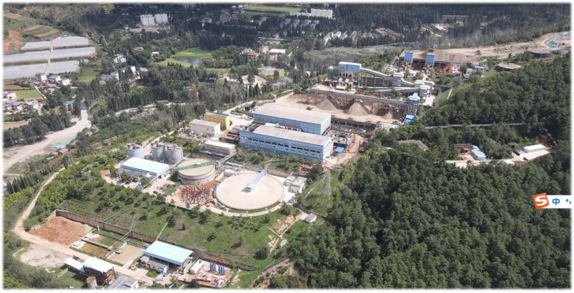
Yunnan Phosphorus Chemical Group Co., Ltd. 2 Million t/a Phosphorus Ore Mining and Beneficiation Project
China Bluestar Lehigh Engineering Corporation


Industrial and Commercial Point-Type Gas Detector
Jinan Benan Technology Development Co., Ltd.
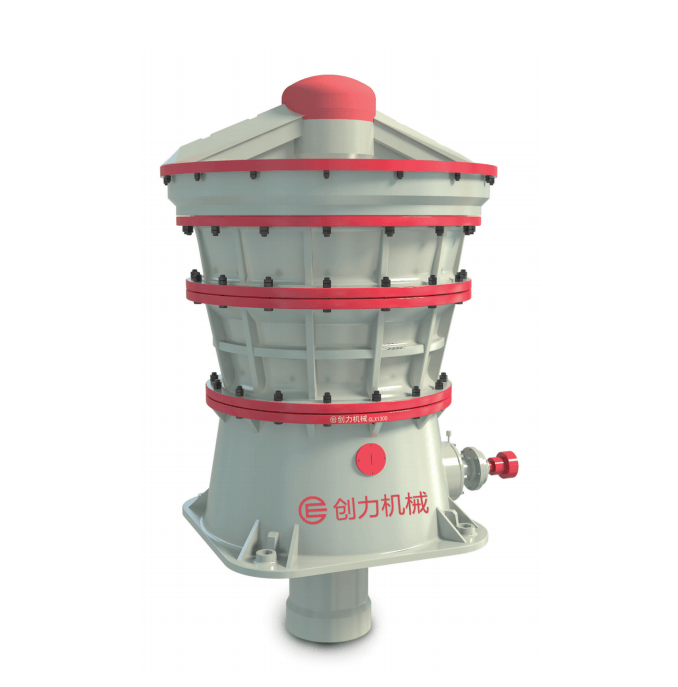
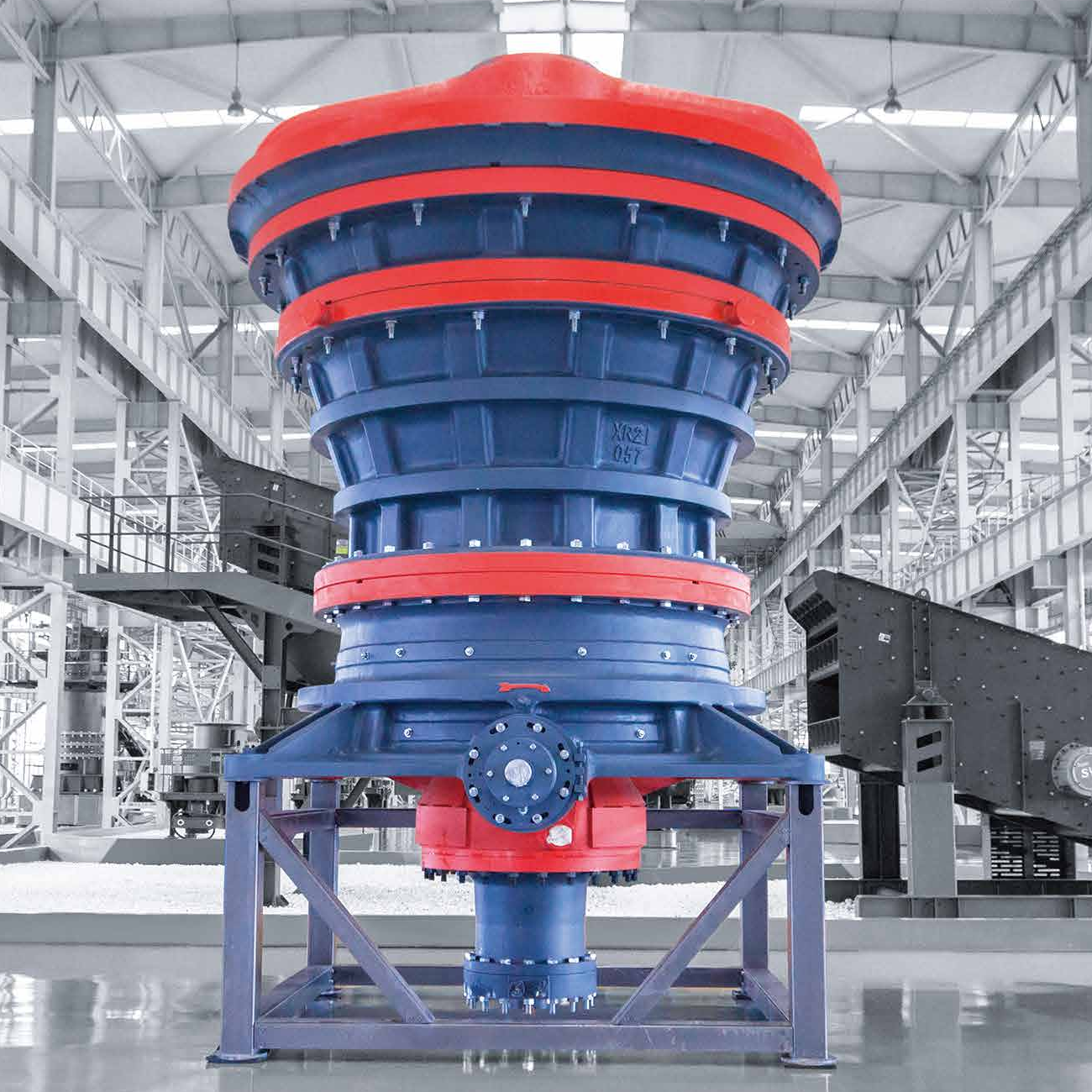
CLX Series Intelligent Hydraulic Gyratory Crusher
Guangdong CHUANGLI intelligent machinery Equipment Co., LTD