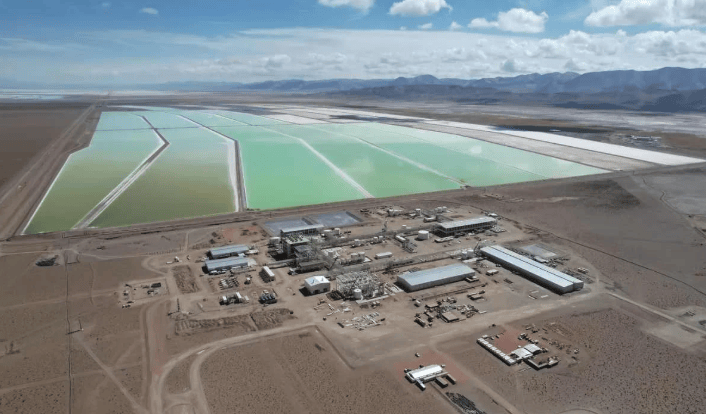
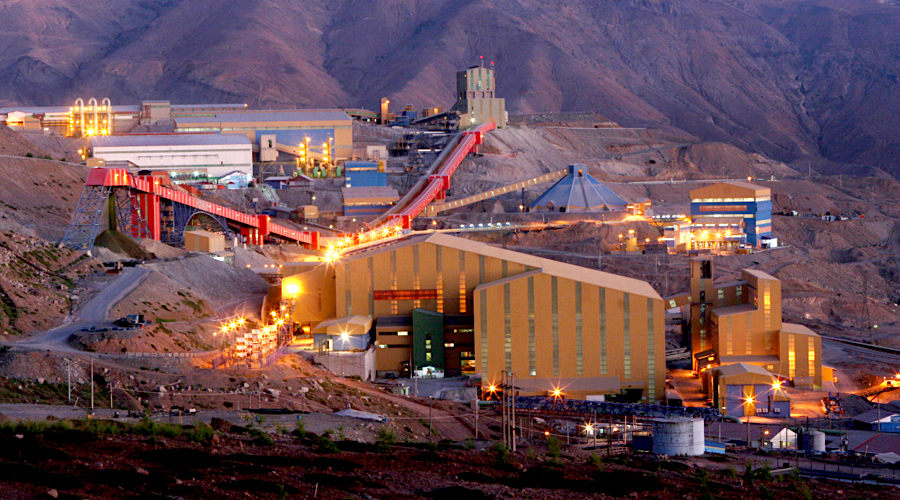
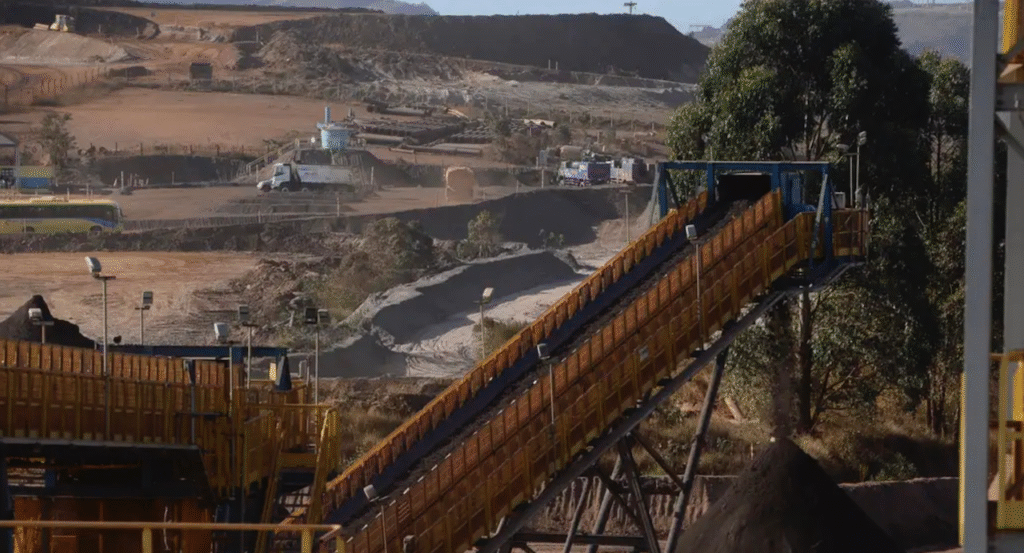
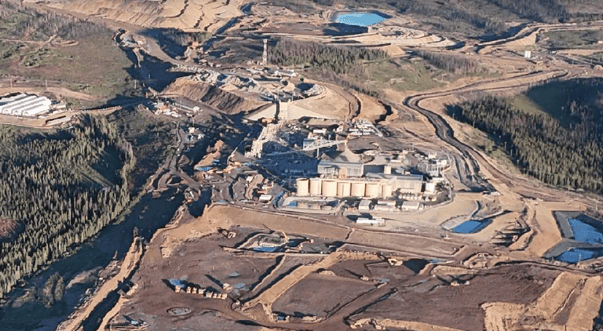
en.Wedoany.com Reported - The Mexican Mining Chamber (CAMIMEX) has formally committed to reducing greenhouse gas emissions from the national mining industry by 40% by 2030. This marks the first time a Latin American mining industry organization has set a quantified decarbonization target with a deadline and a verifiable technical framework. To achieve this goal, the Mexican mining sector will adopt the "Towards Sustainable Mining" (TSM) standard, developed by the Canadian Mining Association, as an external audit program.
Unlike other Environmental, Social, and Governance (ESG) frameworks that rely on voluntary written reports, TSM rates each operational unit across seven key areas—water management, biodiversity, safety, community relations, crisis management, emissions, and tailings dams—on a scale from Level C to AAA. With 97 active open-pit mines and 152 underground mines currently operating nationwide in Mexico, TSM will provide a methodological framework to measure and verify progress on a mine-by-mine basis.
In Mexico, the 40% emissions reduction target faces specific complexities. The country's production is highly concentrated in gold and copper, both of which are energy-intensive metals. Sonora, contributing 45% of national output, and Zacatecas are key regions in the implementation process. In Sonora, large operations such as Grupo México's Buenavista del Copper face the challenge of demonstrating structural improvements following historical water conflicts. In Zacatecas, the extensive presence of multinationals like Newmont at Peñasquito and Fresnillo requires aligning TSM with their own global corporate frameworks. Despite difficulties for mid-sized operators, the industry already has 41 mining units using renewable energy, meeting 36% of its clean energy needs, with a target of reaching 44% by 2030.
Adopting this standard also responds to pressure from international financial markets. Large institutional investment funds in Toronto or Frankfurt, as well as green bond subscribers, require auditable metrics to approve capital. Major projects in Zacatecas, such as Agnico Eagle and Teck's San Nicolás project (with an estimated investment of approximately $1.1 billion) and Orla Mining's Camino Rojo project, operate under continuous monitoring of their sustainability indicators.
This initiative comes at an opportune time within the environmental policy context of Claudia Sheinbaum's federal government. Although it has demonstrated a pragmatic approach to streamlining procedures and signed the U.S.-Mexico Critical Minerals Plan in February 2026, the new Water Law enacted this year has intensified regulatory pressure regarding water stress. CAMIMEX President Pedro Rivero noted that TSM cannot replace obligations for indigenous consultation or tailings dam inventories, but it provides the industry with the necessary technical credibility to maintain Mexico's attractiveness in the global mining rankings.
This article is compiled by Wedoany. All AI citations must indicate the source as "Wedoany". If there is any infringement or other issues, please notify us promptly, and we will modify or delete it accordingly. Email: news@wedoany.com