SoftBank Launches 5G Priority Control Service "Fast Access" in Japan and Begins Testing
en.Wedoany.com Reported - SoftBank launched a new pricing plan, "Peytoku 2," in June, simultaneously offering the bundled service "Fast Access," which enhances network communication quality through a priority control mechanism. A similar service was already introduced by KDDI for au users in 2025 and has proven effective, prompting SoftBank to follow this trend.
This service operates under a priority control mechanism, where the base station allocates more communication resources to lines supporting this feature. Currently, it is only available to users subscribed to "Peytoku 2" or the unlimited data plan "Teigaku Unlimited." However, starting in July, the first-generation "Peytoku" and the previous "Merihari Unlimited+" will also be supported. Using this service requires a SIM card or eSIM compatible with 5G SA (Standalone Access) mode, as well as a 5G SA-compatible terminal. However, communication does not need to occur in an SA area; it is also effective in NSA (Non-Standalone Access) areas combined with 4G. Nevertheless, if communication is solely via 4G, it falls outside the scope of the Fast Access service.
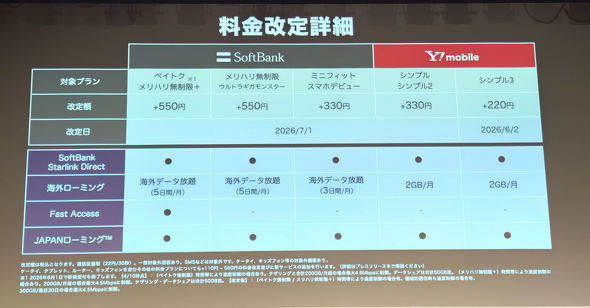
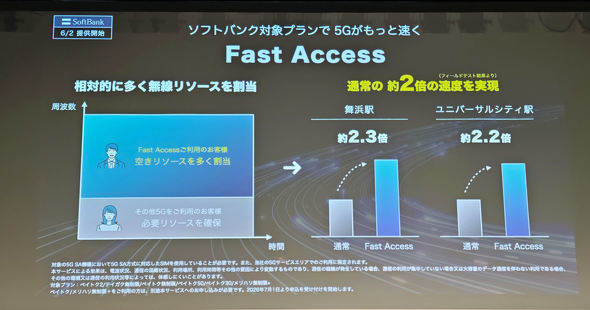
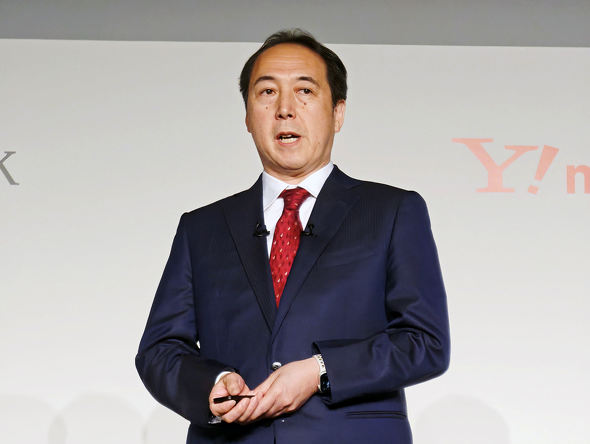
These specifications are largely consistent with KDDI's "au 5G Fast Lane," with the commonality being that resource allocation is not drastically altered to the point of affecting non-subscribing users' communication; instead, it makes it easier for subscribing users to achieve faster speeds. Currently, competition in communication quality among major carriers is intensifying. By combining priority control mechanisms with high-capacity pricing plans in premium brands, carriers aim to enhance user satisfaction while differentiating from mid-to-low-capacity plans offered by sub-brands. SoftBank's Senior Managing Executive Officer, Hiroyuki Terao, stated during the launch of Fast Access: "This service can be provided with almost no impact on the communication quality of existing users."
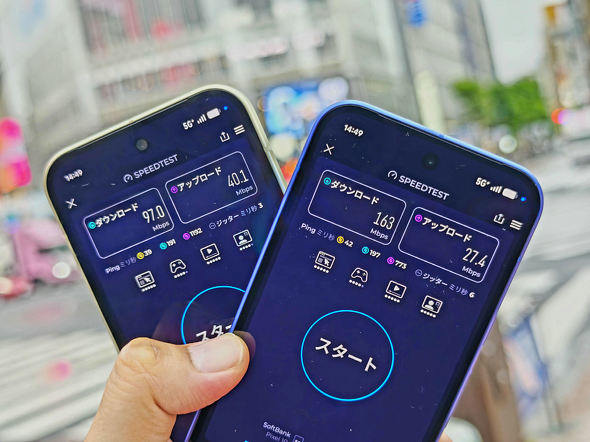
To verify whether Fast Access can actually deliver differences in communication quality, SoftBank provided lines that support and do not support the service. The test used two Google Pixel 10 terminals, both running Android 17, which had just been updated at startup, to eliminate speed deviations caused by differences in modem performance or software. During the test, both terminals were confirmed to be in 5G SA connection status, and an app was used to check whether the connected frequency bands were the same, aiming to purely evaluate the effect of Fast Access. The test utilized the Speedtest app provided by Ookla, fixed to connect to the server of Verizon in Japan, and conducted three consecutive tests to calculate the average.
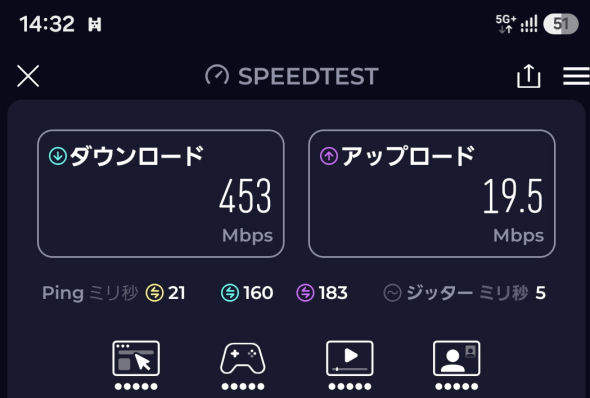
The test locations were near SoftBank's headquarters building at Hamamatsucho Station on the Yamanote Line, followed by moving to every other station along the Yamanote Line and repeating the same measurements in front of each station. A total of six locations were measured: Hamamatsucho, Takanawa Gateway, Osaki, Meguro, Shibuya, and Harajuku stations. Harajuku Station was recommended by SoftBank as a location where differences are likely to appear, so it was intentionally included in the test scope to observe distinctions from other stations.
This article is compiled by Wedoany. All AI citations must indicate the source as "Wedoany". If there is any infringement or other issues, please notify us promptly, and we will modify or delete it accordingly. Email: news@wedoany.com
Related Products



MUX Series Communication Interface Device for Security and Stability Control System
Nanjing NR Electric Co., Ltd.
20 Inch 1600*900 Full HD 60Hz TFT LED Monitor with VGA and DP Interfaces for Desktop Computers-Business Use
Guangzhou Zanying Optoelectronics Technology Co., Ltd.
Multi-function Marine Monitoring Low-altitude Detection Radar Sea-air Boundary Ocean Dynamic Environment Measurement
Chengdu Dixin Technology Co., Ltd.

Comprehensive Mining Automation Control System
Beijing Tianma Intelligent Control Technology Co., Ltd.
GYTA Type Non-Self-Supporting Aerial/Duct Optical Cable
TONGDING INTERCONNECTION INFORMATION CO., LTD.

Flat Portable Satellite Terminal 0.35m Aperture Manual Portable Terminal
China Starwin Science & Technology Co., Ltd.
Conveyor Belt Intelligent Monitoring System
LUO YANG WIRE ROPE INSPECTION TECHNOLOGY CO., LTD.