UK Euston Delivery Company Advances HS2 Terminal Integration and Delivery
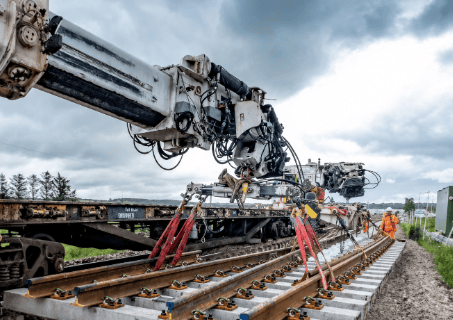
en.Wedoany.com Reported - The Euston Delivery Company, a newly established independent body under the UK Department for Transport, faces the challenge of integrating the HS2 high-speed rail terminus with the existing rail network and London Underground stations, with its focus needing to shift from debate to delivery plans.

At the recent High Speed Rail Group annual conference and subsequent industry discussions, stakeholders emphasised that the core issue facing the Euston project is no longer whether it can unlock growth or transform the area, but how to translate ambition into a comprehensive, financeable, and deliverable scheme that earns the trust of communities, investors, and the government.
The actions of the Euston Delivery Company in the coming months will determine whether confidence can be restored. The top priority is to establish a truly integrated delivery model that aligns all stakeholders—including Network Rail, Transport for London, the London Borough of Camden, the Greater London Authority, and developers Lendlease/Crown Estates—around a single, credible plan. Currently, competing demands, fragmented timelines, and divergent priorities persist, but the industry is converging on a common scope, approach, and delivery pathway, which is critical to avoiding future changes and restoring confidence.
Phased delivery is another key principle. Conference discussions highlighted that trust should be rebuilt by releasing early benefits before the full HS2 station is completed in the early 2040s. These early improvements could include better station access, enhanced public spaces, early commercial development, and visible upgrades to the local environment. The economic case for Euston extends far beyond rail capacity; the surrounding "Knowledge and Innovation District," anchored by institutions such as University College London (UCL), is estimated to have the potential to drive £3.5 billion in economic growth.
At the national level, the Euston project is critical to unlocking capacity on the West Coast Main Line, supporting freight, and improving connectivity between economic hubs such as Birmingham and Manchester. The project's success or failure will influence perceptions of the UK's ability to deliver complex infrastructure.
The Euston Delivery Company must also embed community outcomes at the core of its delivery strategy. Local residents in Camden are no longer satisfied with general commitments to social value; they demand clear demonstrations of how early benefits, investment in public spaces, and local opportunities will be prioritised and delivered.
Neil Henderson, Mott MacDonald's Transport and HS2 Client Director, noted that the company's involvement in the £400 million Waterloo station upgrade project offers valuable lessons. These include the value of alliance delivery and co-location in improving speed and decision-making; the importance of rigorous phasing and occupancy planning within an operational station; and the use of digital tools such as Building Information Modelling (BIM) and iterative design processes to accelerate delivery. These approaches can be applied to the Euston project to improve cross-interface coordination and reduce risk.
Neil Henderson believes the opportunity for the Euston Delivery Company lies in shifting the project from debate to delivery by integrating people, place, engineering, operations, and development. Success will unlock local and national growth, support innovation, and improve connectivity; failure could undermine the credibility of future infrastructure investment across the country.
Related Products



Industrial and Commercial Point-Type Gas Detector
Jinan Benan Technology Development Co., Ltd.



Pantograph-Catenary Comprehensive Detection Device (1C)
CHENGDU TANGYUAN ELECTRIC CO., LTD.

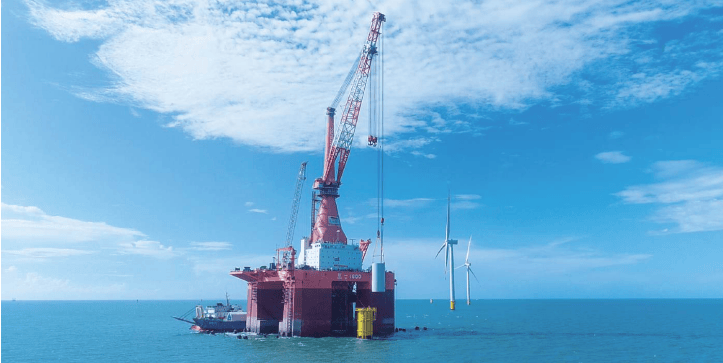
"Shunyi 1600" Deep-submerging Bottom-sitting Multi-functional Wind Power Engineering Vessel
Zhengli Offshore Engineering Co., Ltd.