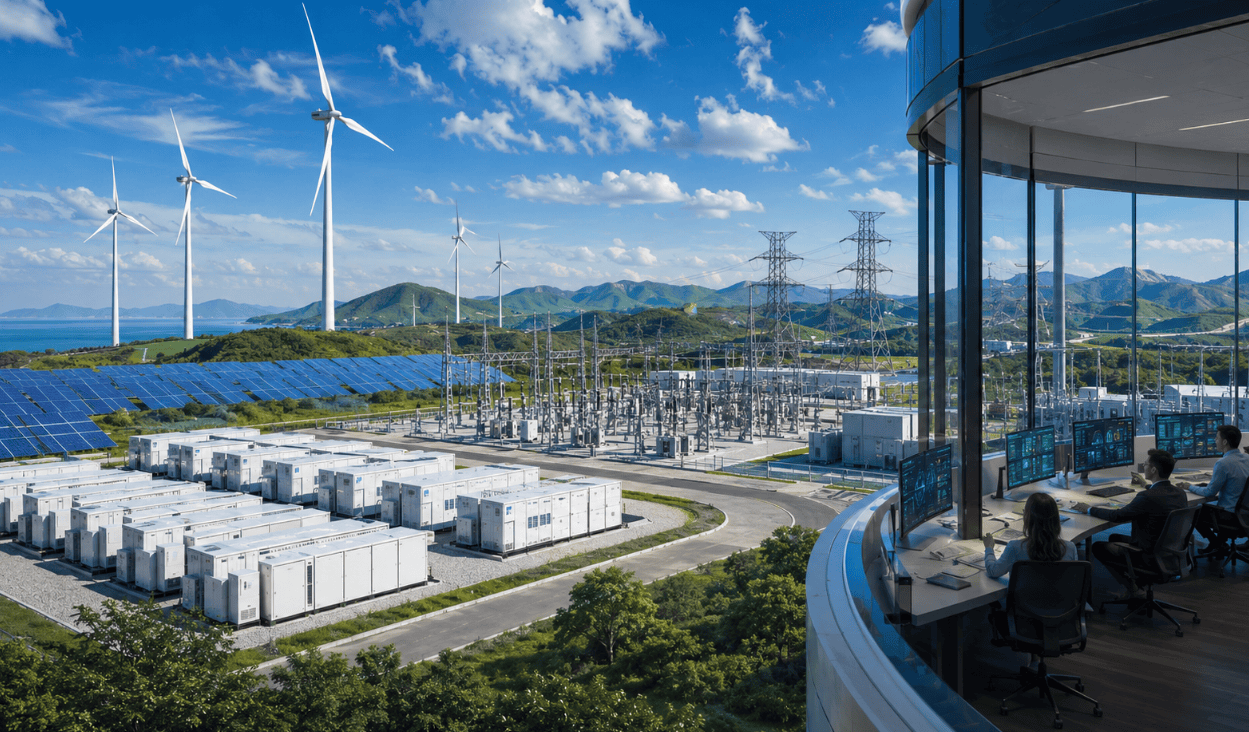
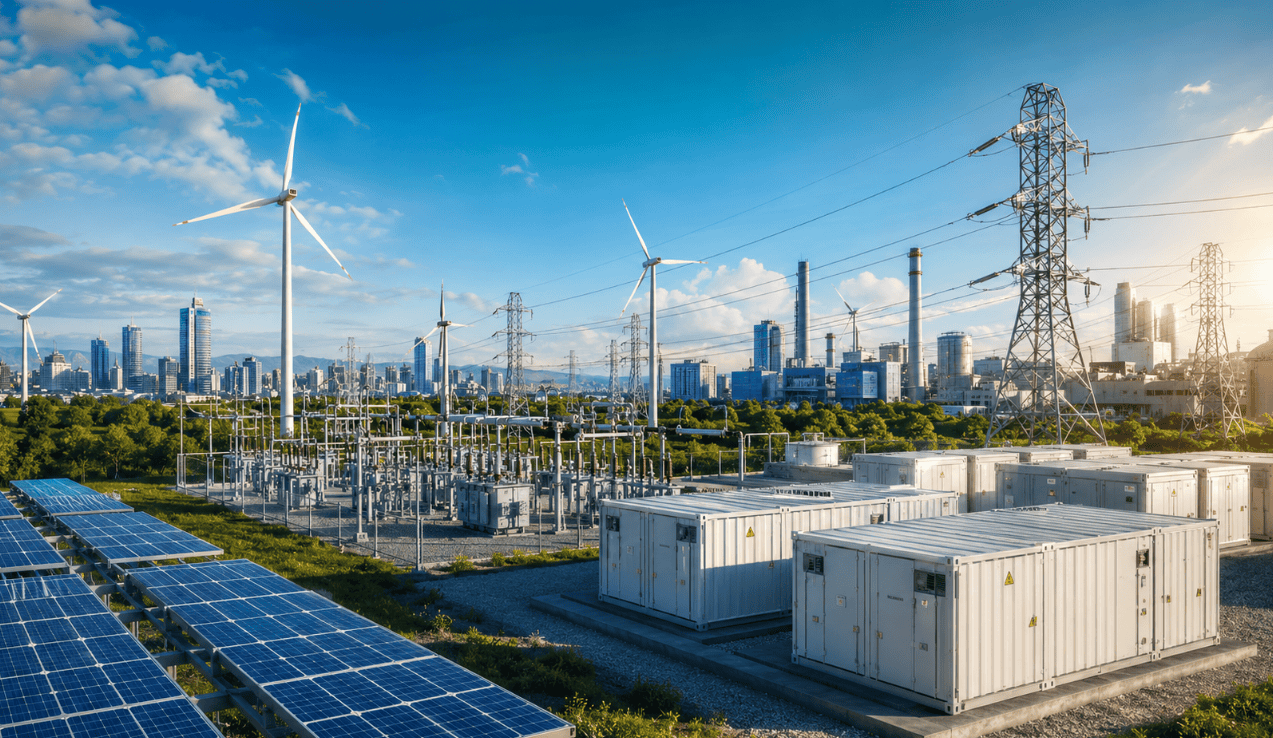
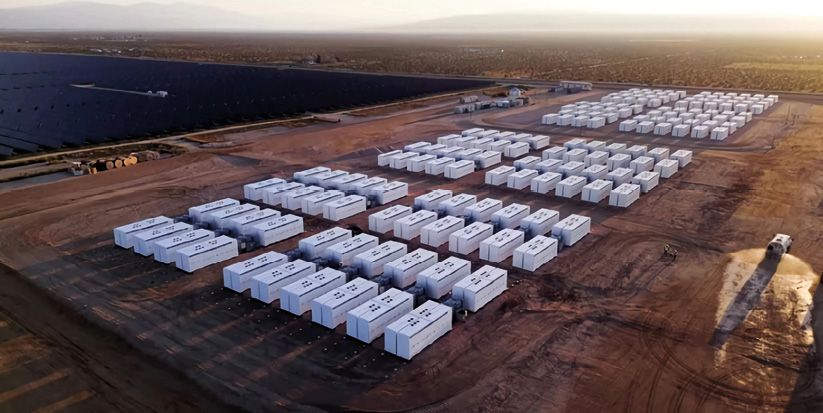
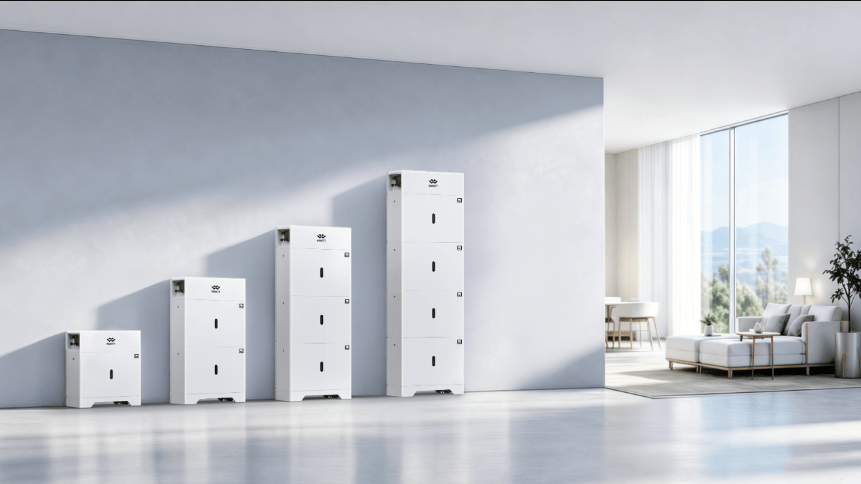
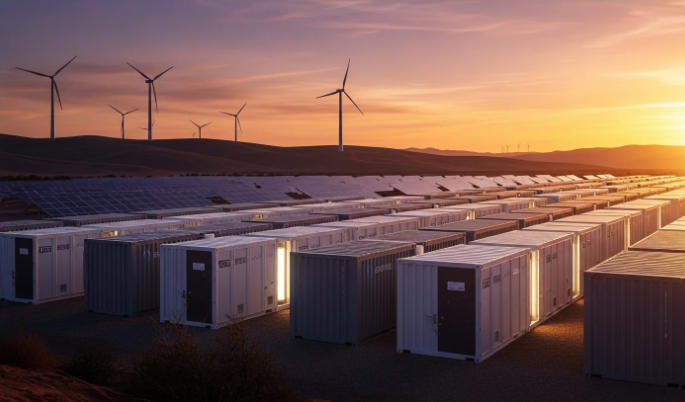
en.Wedoany.com Reported - Battery storage is often the most visible component in an integrated energy project. It can absorb surplus renewable electricity, reduce peak demand, provide backup power and, in suitable markets, deliver frequency and balancing services. However, using batteries to manage every fluctuation is not always the lowest-cost strategy over the full project life cycle.
The economic value of Source Grid Load Storage Integration becomes clearer when flexible demand, battery operation and grid transactions are optimized together.
Batteries respond quickly and accurately, but their energy capacity, cycle life and operating cost are limited. Frequent deep cycling can accelerate degradation, while oversizing a system for rare demand peaks can result in low asset utilization. Project designers should therefore determine which fluctuations require immediate battery response and which can be managed by shifting or temporarily reducing electrical demand.
Demand response does not necessarily mean shutting down production. In industrial facilities, flexible resources may include chilled-water systems, compressed-air equipment, thermal storage, pumps, auxiliary furnace systems and electric vehicle charging. Buffers in temperature, pressure, water level, inventory or production scheduling can allow these systems to change power consumption for limited periods without reducing final output.
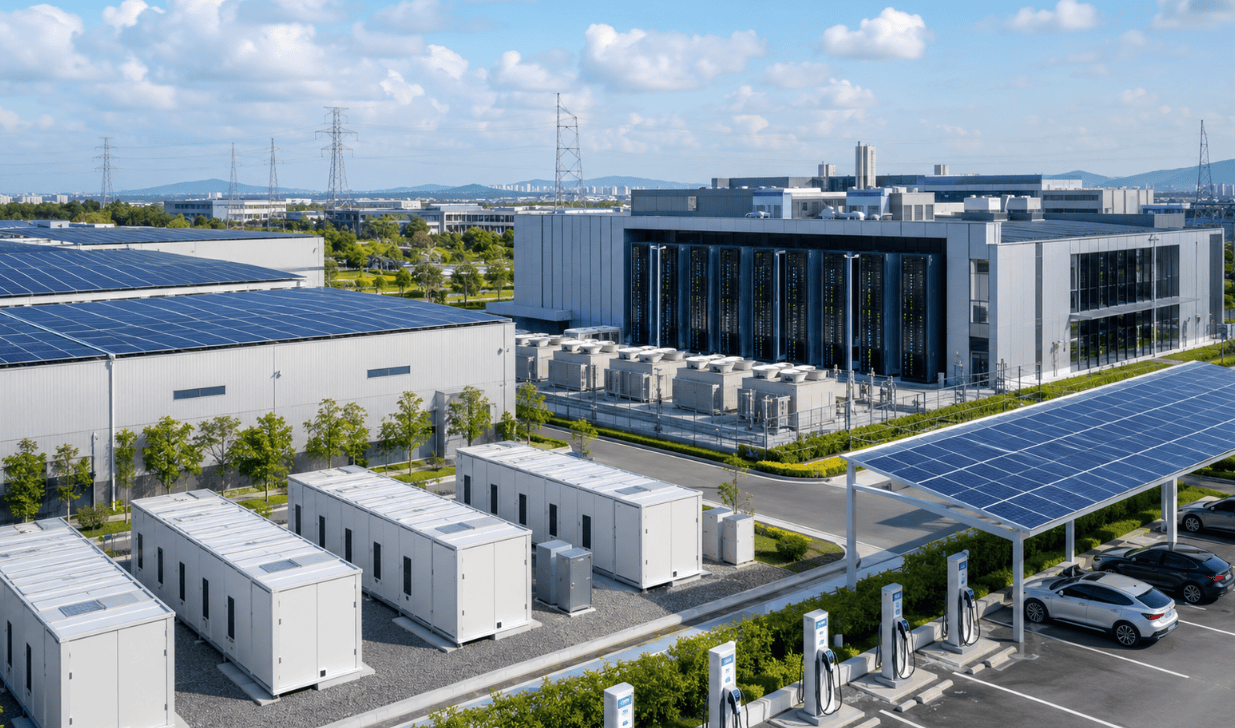
Commercial buildings also contain flexible resources. Cooling, water heating, lighting and vehicle charging can be adjusted according to grid conditions and renewable generation. A building may pre-cool, pre-heat or charge equipment before a peak period, then reduce demand when electricity is more expensive or the grid is under stress. Individual adjustments may be small, but aggregation can create a significant dispatchable resource.
There are several ways to coordinate storage and demand response. Flexible loads can respond first while batteries correct the remaining imbalance, reducing battery cycling. Batteries can respond immediately to a sudden event while slower loads follow. More advanced platforms can allocate each dispatch requirement according to electricity prices, forecasting errors, equipment conditions and the marginal cost of flexibility.
This approach requires detailed operational models. The platform must know not only the battery state of charge but also the process constraints of each flexible load. A cooling plant may reduce power only for a defined duration. A charging station must deliver sufficient energy before a vehicle departs. A water treatment facility must maintain minimum flow and quality levels. Without these constraints, intelligent dispatch may be little more than automated fixed scheduling.
Commercial performance should also be measured across several value streams. These may include energy arbitrage, demand-charge reduction, renewable self-consumption, deferred grid expansion, demand-response payments and improved outage resilience. Not every market allows all of these benefits to be monetized, so local tariff structures, market rules and operating requirements must be evaluated carefully.
The future design question will increasingly shift from “How much battery capacity should be installed?” to “How much controllable flexibility does the system possess?” Batteries will remain essential, but flexible loads, charging infrastructure, thermal storage and backup generation can also enter a common resource pool. Platforms that can identify, measure and dispatch these resources accurately will be better positioned to improve project returns and reduce dependence on a single technology.