Brazilian Federal Court of Accounts Requires Prior Permit and Community Consultation for Tapajós River Dredging
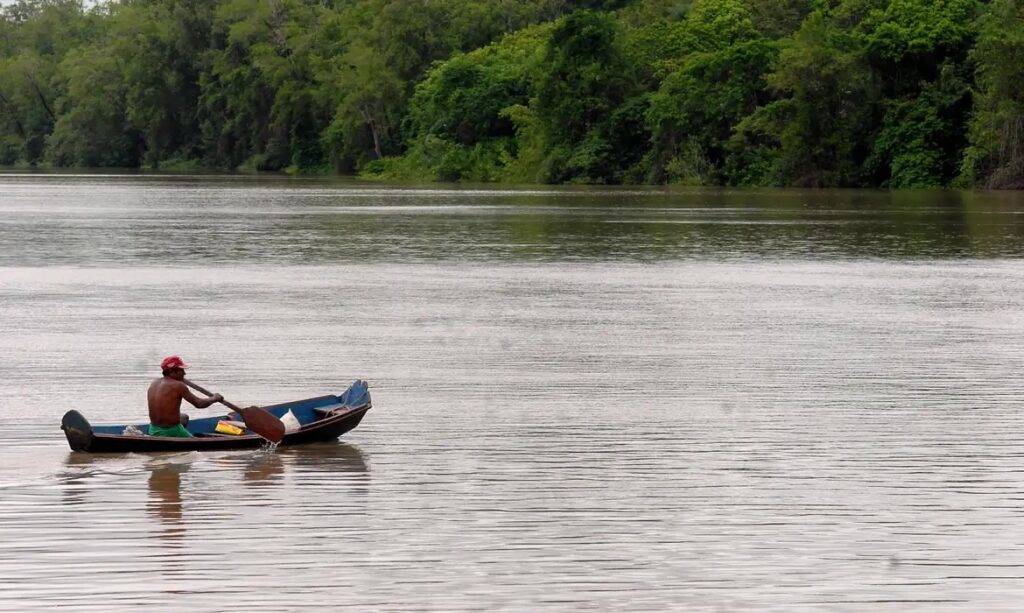
en.Wedoany.com Reported - The Brazilian Federal Court of Accounts (TCU) ruled last Wednesday (1st) that the National Department of Transport Infrastructure (DNIT) cannot restart the bidding process for maintenance dredging of the Tapajós River until it obtains a prior license (LP) and conducts free, prior, and informed consultation (FPIC) with communities potentially affected by the project.
The impact of this ruling may extend beyond the BRL 74.8 million contract reviewed by the court. Consequently, the possibility of signing and executing the service this year has become remote, just as the industry warns again of a potential new severe drought in the Amazon region. The ruling also reinforces the court's understanding of the timing for fulfilling social and environmental requirements in public infrastructure projects.
The context of this decision revolves around discussions on rights guaranteed by International Labour Organization (ILO) Convention No. 169. Brazil is a signatory to this convention, which mandates free, prior, and informed consultation for any administrative or legislative measures that may directly affect indigenous peoples and traditional communities. In recent years, railway, highway, waterway, and port projects have all faced issues related to consultation with traditional communities. In analyzing the Tapajós River case, the Federal Court of Accounts reaffirmed that this procedure cannot be treated merely as a stage of contract execution but must be integrated into the planning of the public procurement itself. Regarding the ruling's impact, the National Department of Transport Infrastructure only stated it would "present its opinion in the case file."
In February of this year, the government revoked a decree on a policy for river channel concessions in the Amazon region after protests by indigenous peoples and other social groups, who argued that the government had not conducted consultations as required by Convention No. 169. Due to these same protests, the government suspended the public works bidding for the Tapajós River dredging.
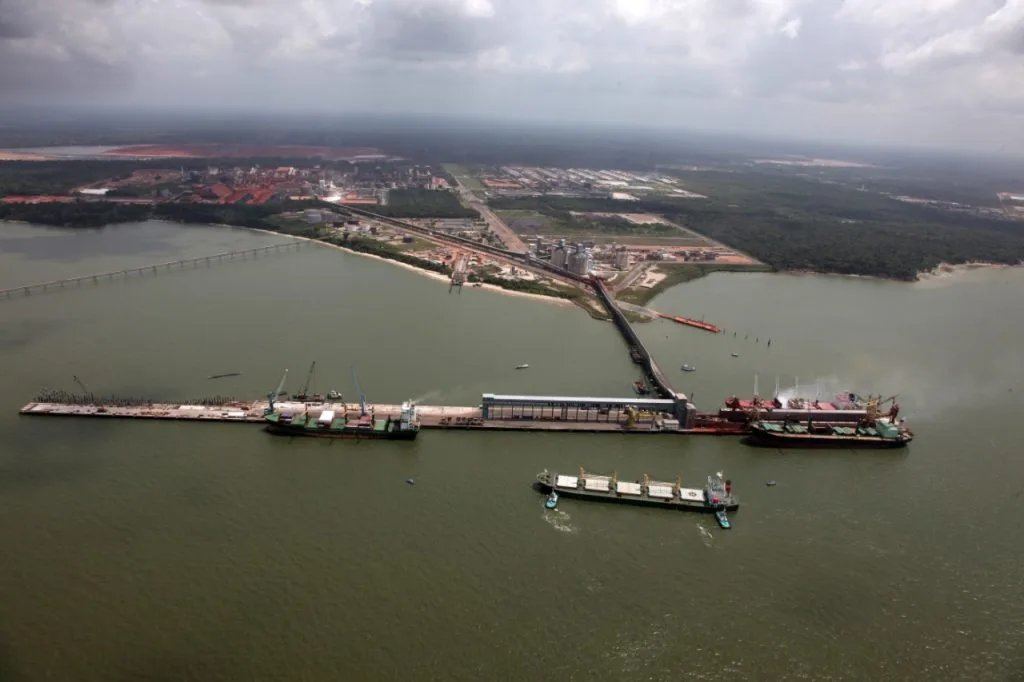
The case reviewed by the TCU ministers on Wednesday originated from a complaint regarding Electronic Auction 90.515/2025, organized by the National Department of Transport Infrastructure. The auction aimed to select a company to execute the Annual Waterway Maintenance Dredging Plan (Padma) on the Tapajós River waterway between Santarém and Itaituba in Pará state. The challenge involved three points: lack of an Environmental Impact Study or Report (EIA/Rima); publication of the bidding notice before obtaining an environmental license; and failure to conduct prior consultation with potentially affected indigenous, riverside, and traditional communities.
The court dismissed only the first argument. The technical department and the reporting minister, Walton Alencar Rodrigues, noted that since the dredging is merely maintenance to preserve current navigability conditions, an Environmental Impact Study Report is not required. The activity was characterized as an ongoing maintenance service for an existing waterway, not involving new infrastructure construction or economic activity expansion. However, the court ruled against the department on the other two points. Walton argued that the National Department of Transport Infrastructure violated Law No. 14.133/2021 by publishing the bidding notice before obtaining the prior license required for the works and services, the acquisition of which is the responsibility of the public administration.
"Article 115 of Law No. 14.133/2021 is mandatory and non-negotiable," the minister wrote in his vote. The Federal Court of Accounts also upheld the complaint regarding the lack of free, prior, and informed consultation. Walton argued that if there is a possibility of impact on traditional communities, consultation cannot be postponed until after the contract is signed. "The right to free, prior, and informed consultation cannot be deferred to a later date or treated as a mere condition of execution," he stated in his vote. Nevertheless, the court did not adopt the technical department's recommendation to completely cancel the bidding. Since the National Department of Transport Infrastructure had already suspended the tender due to local social mobilization and negotiations coordinated with the Federal Public Ministry (MPF), the court merely decided to maintain the suspension until the environmental requirements are met.
Law No. 14.133/2021 reshaped public procurement rules and explicitly defined the relationship between procurement of works and services and environmental licensing. The law stipulates that when obtaining an environmental license is the responsibility of the public administration, an environmental opinion or prior license (if applicable) must be obtained before publishing the bidding notice, which was the basis for the TCU's ruling.
Although prior consultation has been part of the Brazilian legal system since ILO Convention No. 169 came into effect in Brazil in 2003, it still lacks specific regulation. The convention mandates consultation for any administrative or legislative measures that may directly affect indigenous peoples and traditional communities but does not specify how each signatory country should implement the procedure. It is up to each country's legislation to establish supplementary rules, which Brazil has not yet done. In practice, the lack of regulation leads to differing interpretations among environmental agencies, the Federal Public Ministry, traditional communities, businesses, and the courts. Some government sectors believe consultation can occur during the environmental licensing process, before the installation license is issued. In contrast, representatives of traditional communities argue that consultation should begin at the initial stages, even before the state determines a project's feasibility.
The TCU's ruling comes at a time when the shipping industry fears a repeat of the logistics crisis during the last Amazon drought. According to shipowners, the federal government has spent approximately BRL 300 million on emergency dredging over the past three years, following droughts that led to cargo restrictions and supply impacts in the northern region. According to the Brazilian Association of Coastal Shipping (Abac), around BRL 100 million is spent annually on such interventions, but most come too late to avoid losses. The association advocates that dredging work should be completed by August, before the low-water season intensifies.
In the first two months of this year, the Tapajós River solidified its position as one of the main logistics corridors of the Northern Arc, setting records for cargo volume and inland waterway shipping operations in the Amazon region. According to industry data, the waterway transported 16.8 million tons of cargo in 2025, a 14.3% increase year-on-year. According to the federal government, this performance highlights the strategic role of inland waterway shipping in exporting agricultural products and supplying western Pará state.
Related Products
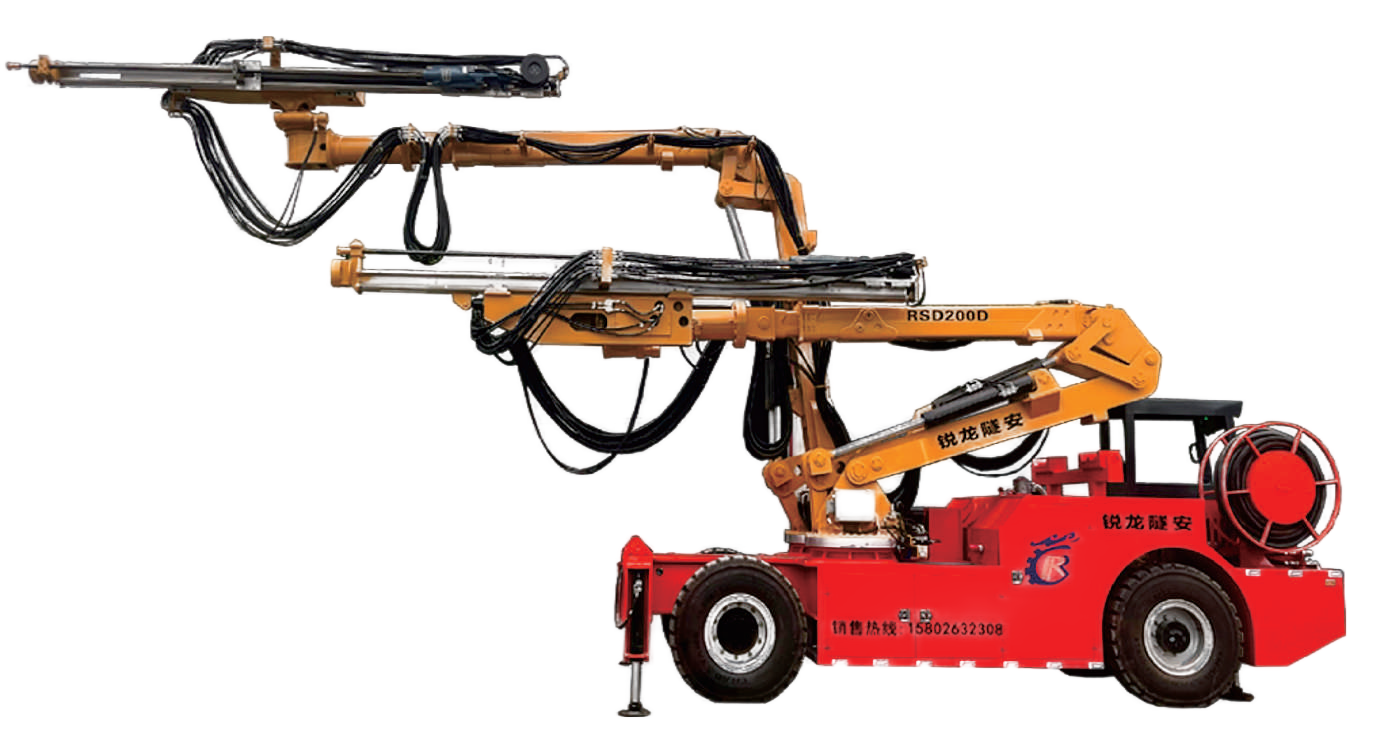

Dual-curved Arm Rock Drilling Trolley RSD200D
Chengdu Ruilong Machinery Manufacturing Co., Ltd.
Industrial and Commercial Point-Type Gas Detector
Jinan Benan Technology Development Co., Ltd.

YHTank8400N Solvent-Free Liquid Epoxy Coating
JIANGSU YUNHU NEW MATERIAL TECHNOLOGY CO., LTD.
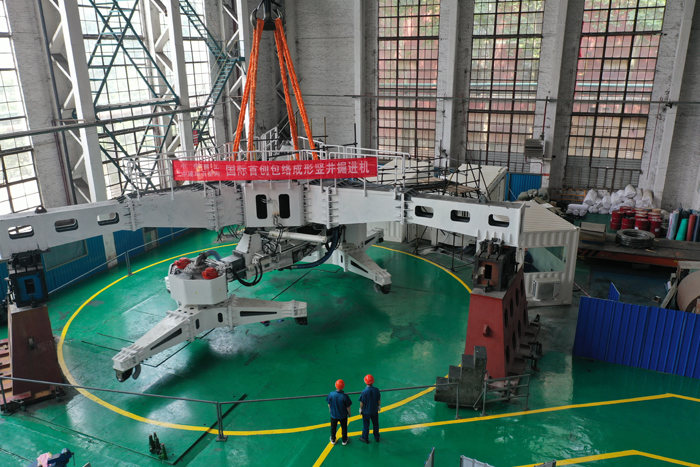
CITIC Heavy Industries Tunneling Equipment Tunnel Engineering Shield Machine
CITIC Heavy Industries Co., Ltd.

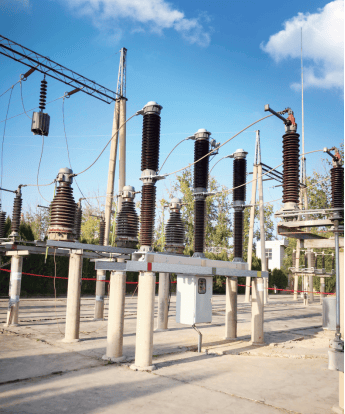
145kV Porcelain Column Type Sulfur Hexafluoride Circuit Breaker
TBEA ZONFA Shanghai High Voltage Switchgear Co., Ltd.
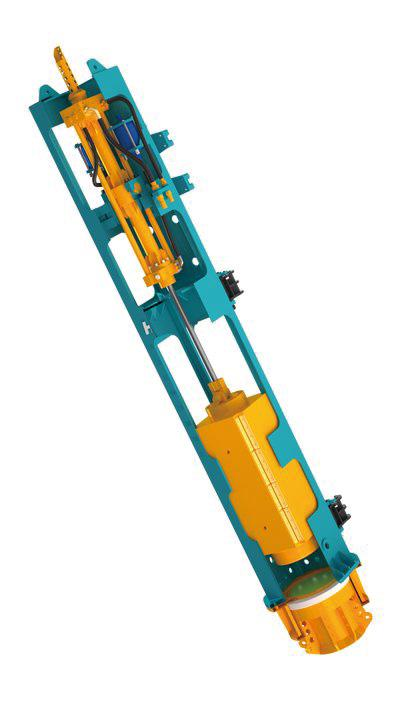
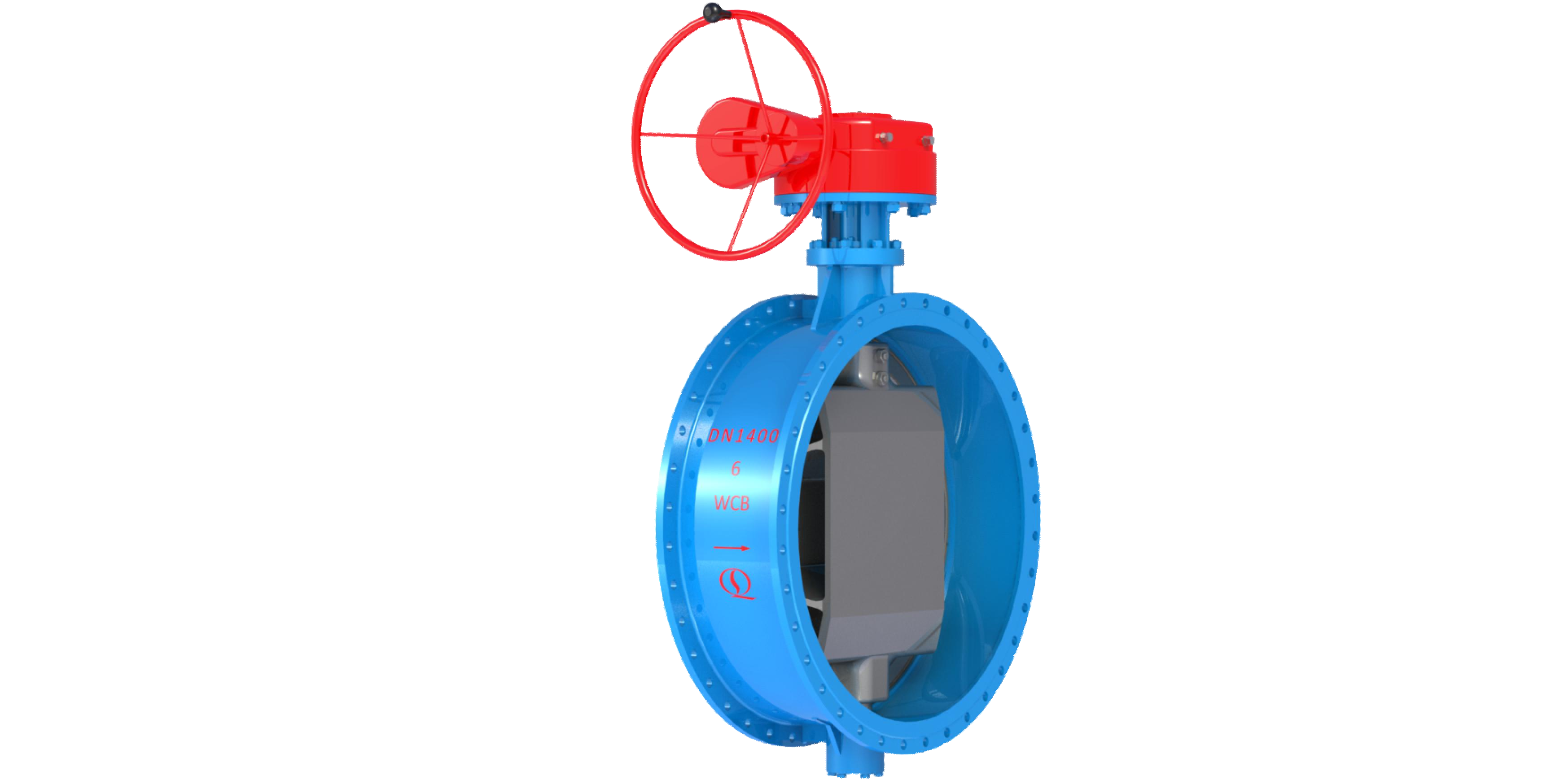
Bidirectional Metal Hard Sealed Seawater Butterfly Valve
Henan Quanshun Flow Control Science & Technology Co., Ltd.