Mexico's Industrial Space Grows 6% in April-May, Monterrey Accounts for 26% of Lease Transactions
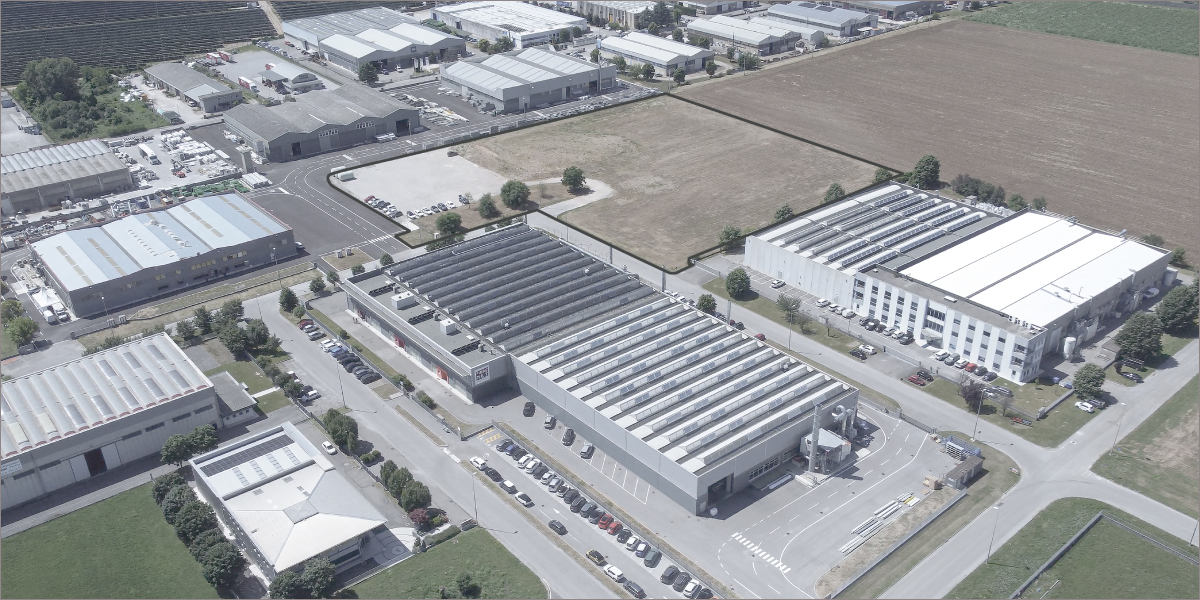
en.Wedoany.com Reported - According to the Solili May 2026 Industrial Report, from April to May 2026, Mexico's national industrial space occupancy exceeded 680,000 square meters, a 6% increase compared to the same period in 2025, indicating signs of stabilization in the industrial real estate market. Space demand remains active, but the growth rate has slowed from the peak of the nearshoring expansion.
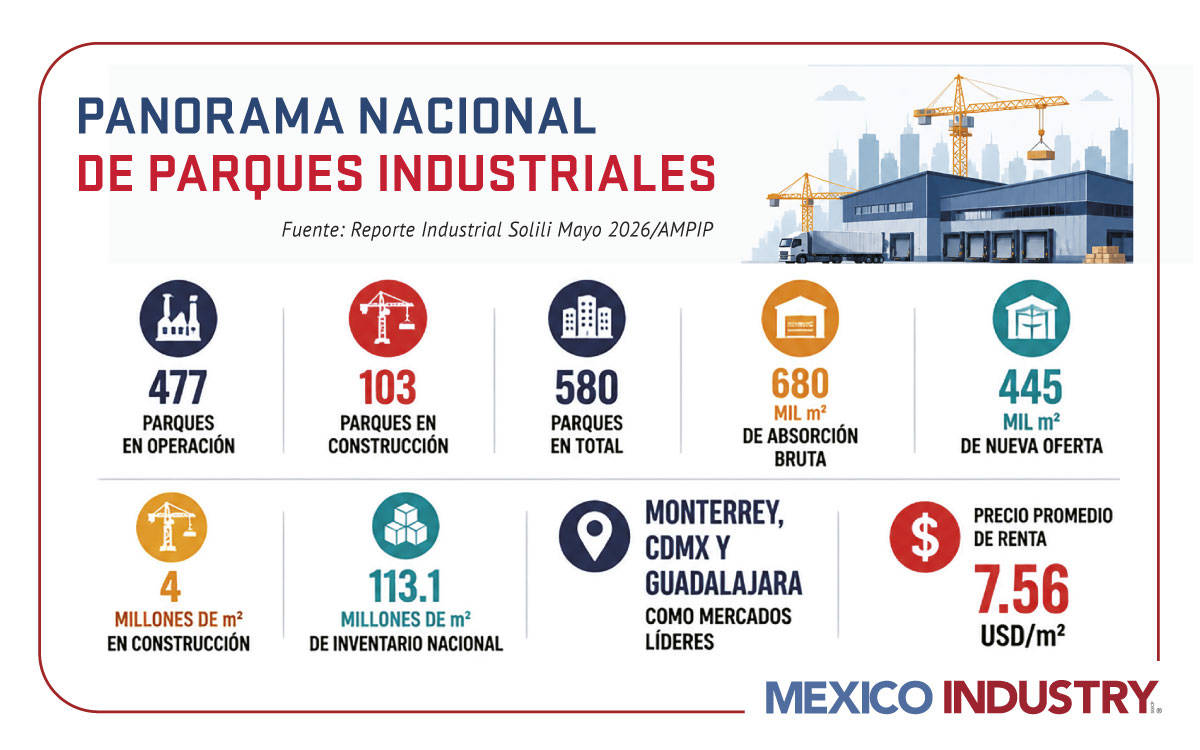
Monterrey concentrated 26% of the nation's industrial lease transactions, solidifying its position as the most active market. Mexico City accounted for 19%, and Guadalajara for 13%. During the same period, cumulative vacant industrial space exceeded 240,000 square meters, an 18% decline from a year earlier. Tijuana led with 35% of the national total vacant space, followed by Guadalajara and Mexico City at 21% and 15%, respectively.
Between April and May, the area of newly started industrial development projects exceeded 490,000 square meters, a decline of approximately 25% year-over-year. New supply entering the market totaled about 445,000 square meters, bringing the national industrial inventory to 113.1 million square meters. Monterrey added over 210,000 square meters of new industrial inventory, while Guanajuato and Guadalajara each contributed approximately 45,000 square meters. The national average industrial rent was $7.56 USD per square meter per month, up 6.9% year-over-year. Mexico City had the highest rent at $10.37 USD per square meter, followed by Tijuana at $8.67 USD per square meter.
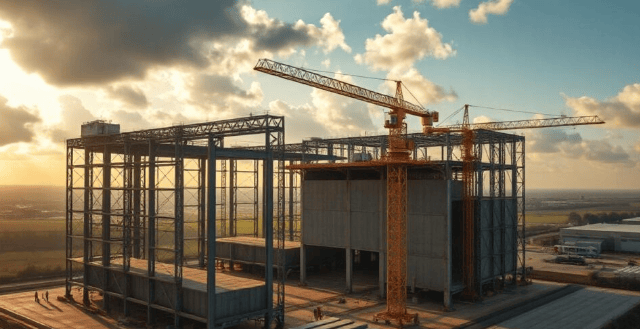
At the 2026 Industrial Plant and Industrial Park Expo, several companies showcased technologies and solutions adapted to the new demands of the industrial market. Rodolfo Escobar, Commercial Manager of Estructuras Solana, introduced a patented building system that integrates prefabricated foundations, metal structures, and roofing into a single solution. All components are prefabricated in advance and then assembled on-site, reducing construction time, facilitating future expansions, and increasing project flexibility. Compared to traditional systems, this technology can reduce structural weight by up to 30% and save approximately 20% on total project costs. Escobar added that the system enables delivery of an industrial plant within four months.
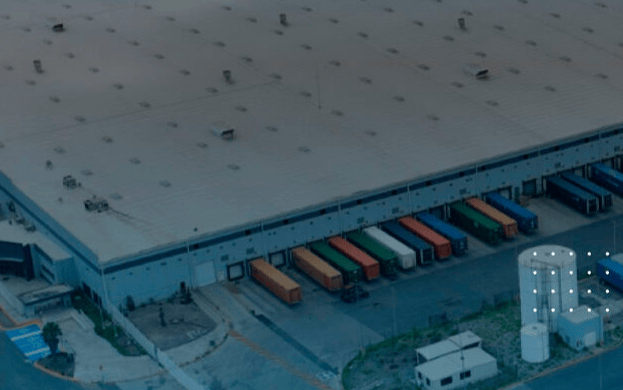
In industrial lighting, Jungo Lighting showcased a portfolio of LED luminaires designed for manufacturing, road infrastructure, industrial parks, and hazardous areas. Diego Terán, Commercial Manager of the company, stated that current demand favors solutions that reduce energy consumption and enable automation of building operations, such as luminaires that utilize natural light or operate via motion sensors. In the logistics sector, DOCKMAN, a brand under MUNDIACERO, displayed specialized equipment for loading docks, industrial doors, and access systems. Commercial Manager Alma Mota noted that the company started by manufacturing rolling doors and now supplies nationwide, undertaking projects ranging from single warehouses to facilities with hundreds of loading docks, with products including hydraulic lift platforms, industrial doors, and specialized systems.
In thermal efficiency, ITERMIK showcased a Canadian technology that protects metal roofing with a reflective membrane, reducing heat transfer into the building interior. Verónica Morales, Marketing Director of the company, explained that this solution can lower internal facility temperatures by up to 12 degrees Celsius, while also providing waterproofing and reflecting approximately 80% to 85% of thermal radiation. In prefabricated concrete systems, ANSA Prefabricados presented solutions for industrial plants, logistics centers, and infrastructure using precast and prestressed concrete components. Commercial Manager León Rodríguez stated that the company participates in projects from foundations to complete structures, serving sectors including residential, commercial, industrial, and infrastructure. These technological developments reflect a transformation in Mexico's industrial market, with developers increasingly focused on providing efficient infrastructure that meets the operational needs of manufacturing, logistics, and supply chains.
Related Products
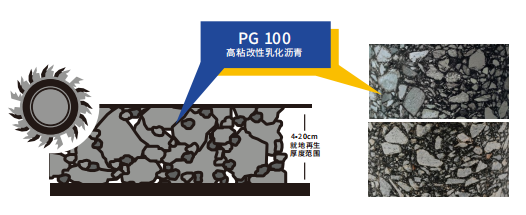

High-toughness in-Situ Cold Recycling Technology for Original Structural Layers
Central Fortune Creation Technology Group Co., Ltd.
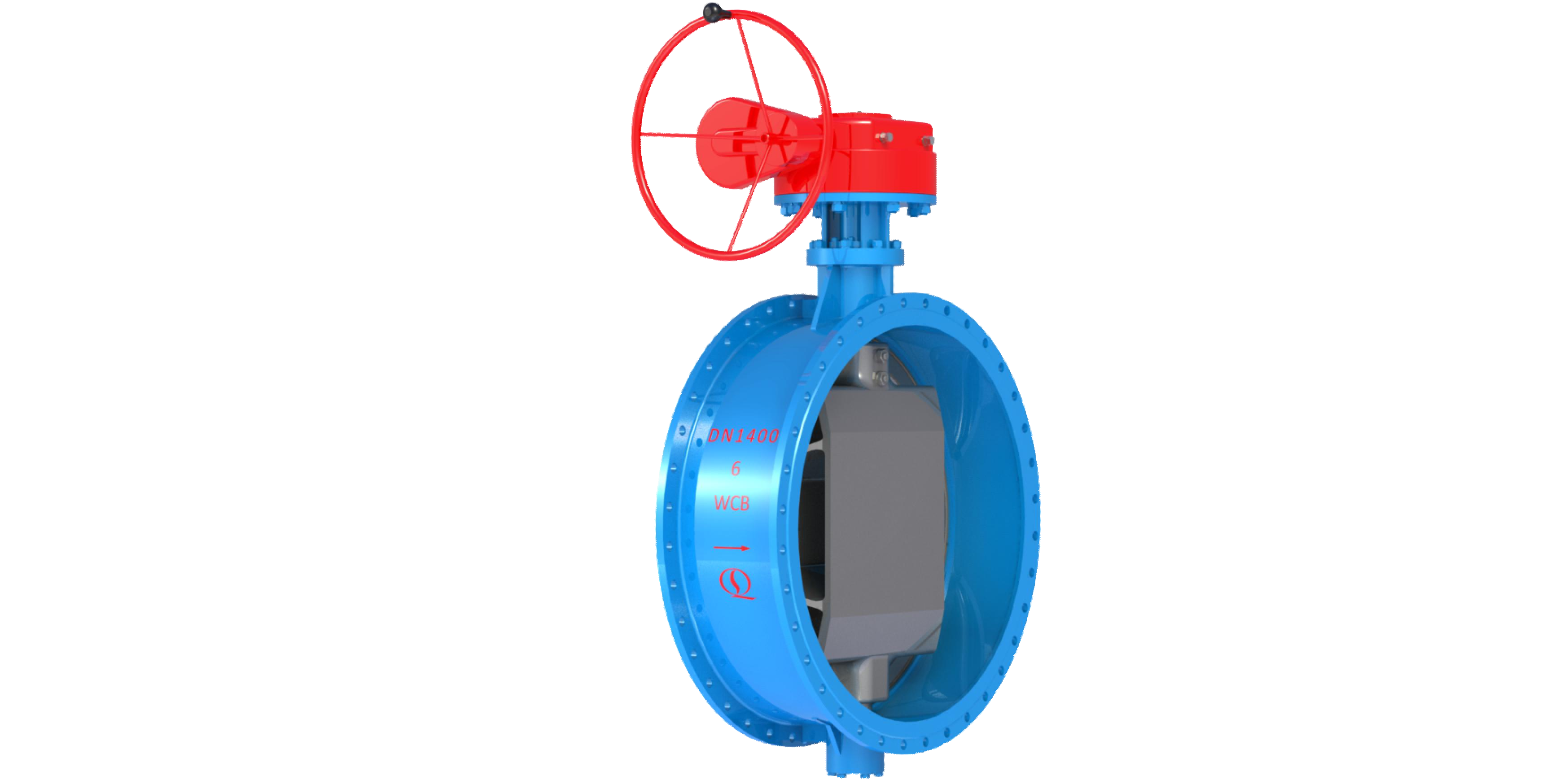
Bidirectional Metal Hard Sealed Seawater Butterfly Valve
Henan Quanshun Flow Control Science & Technology Co., Ltd.
Acoustic Mineral Fiber Ceiling Tile 595x595x12mm
Shanxi Pano Trading Co., Ltd
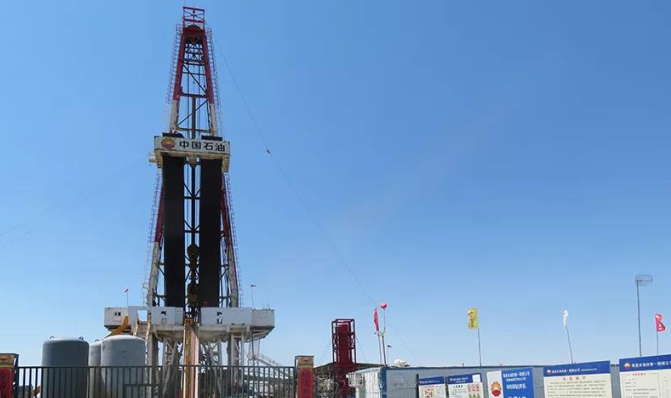
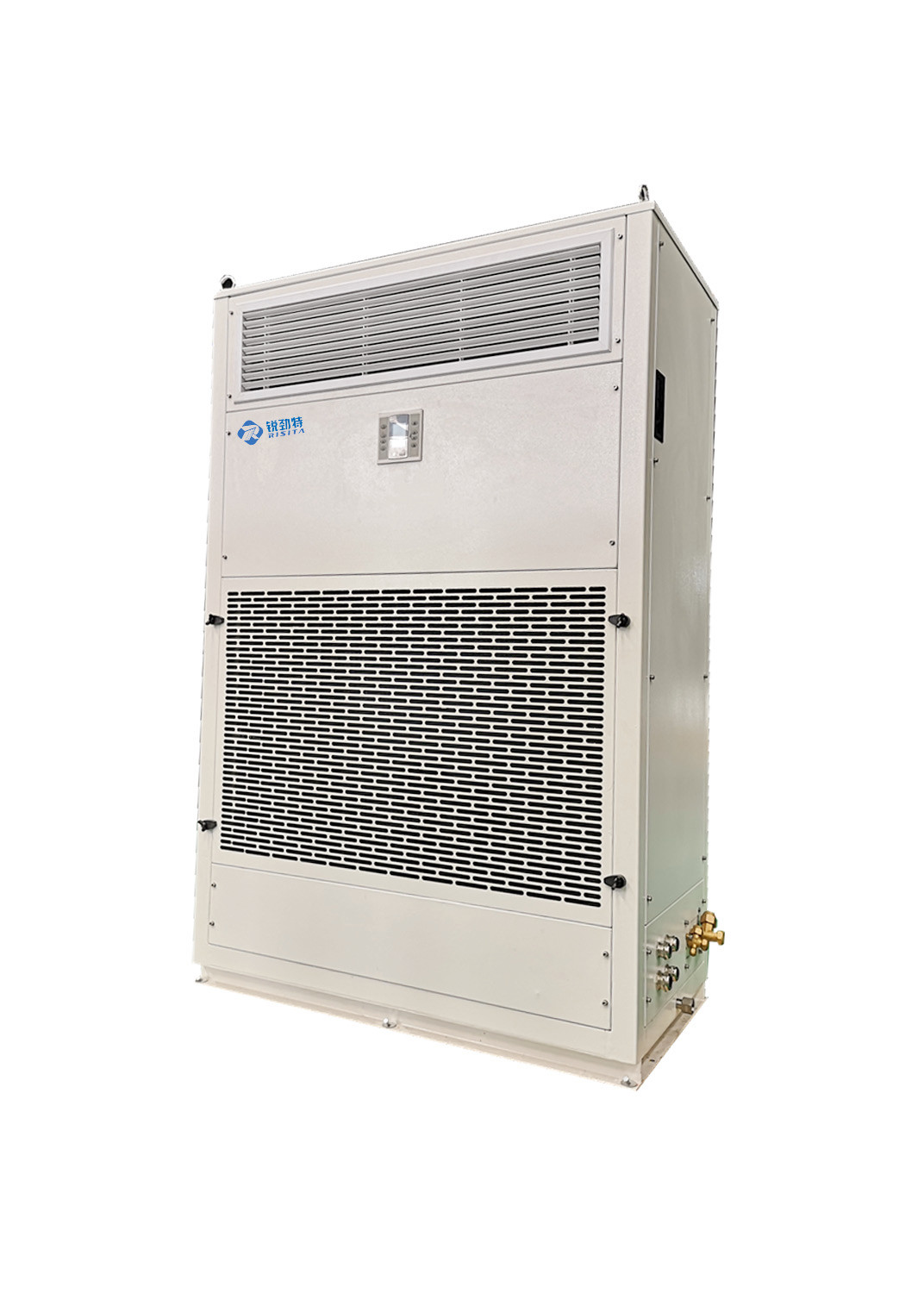
RISITA explosion-proof air conditioning
Guangdong RISITA Air Conditioning Equipment Co.,Ltd.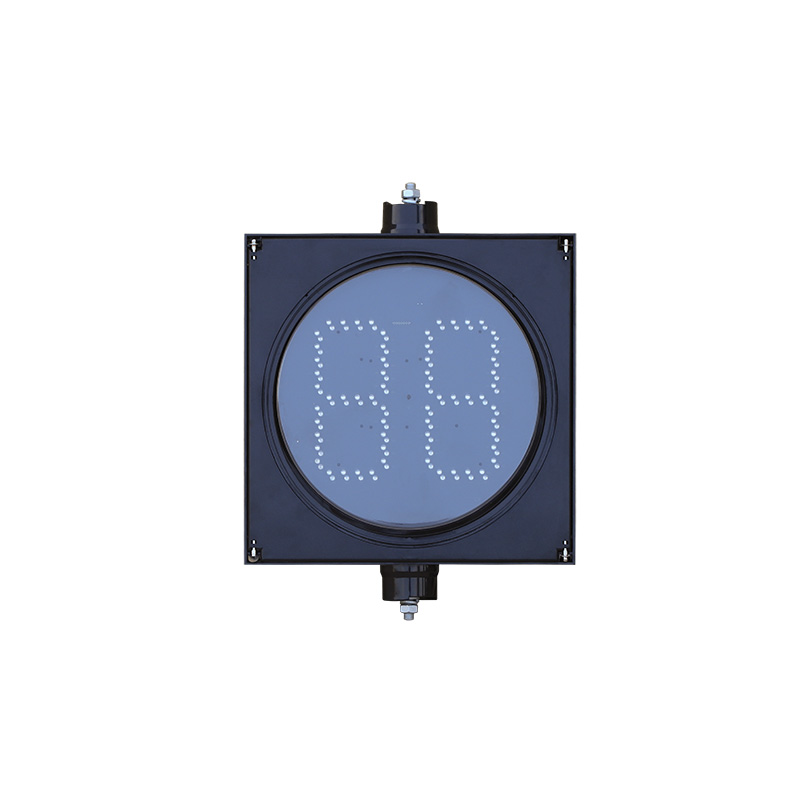
300mm Segment Type Countdown Traffic Light (Core Type)
Yangzhou FAMA Intelligent Equipment Co., Ltd.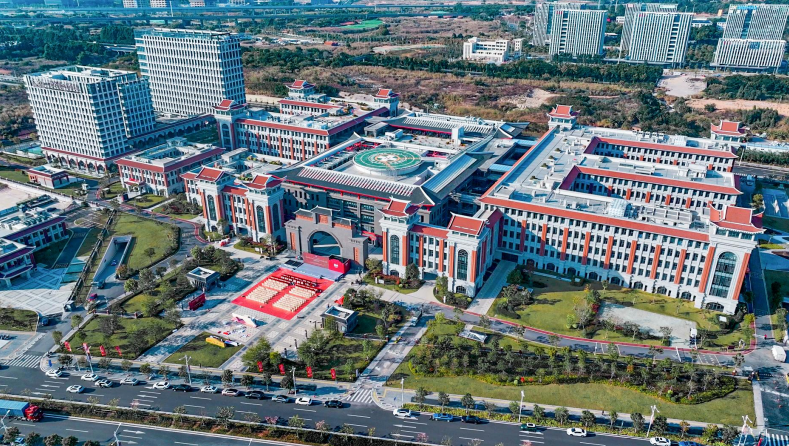
West China Xiamen Hospital of Sichuan University
Wuhan Huakang Century Clean Technology Co., Ltd.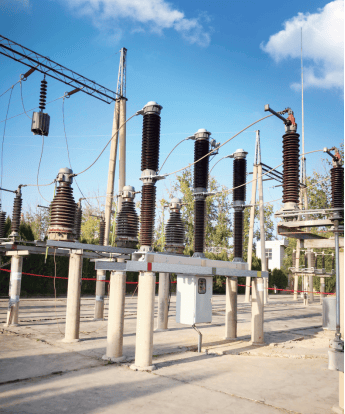
145kV Porcelain Column Type Sulfur Hexafluoride Circuit Breaker
TBEA ZONFA Shanghai High Voltage Switchgear Co., Ltd.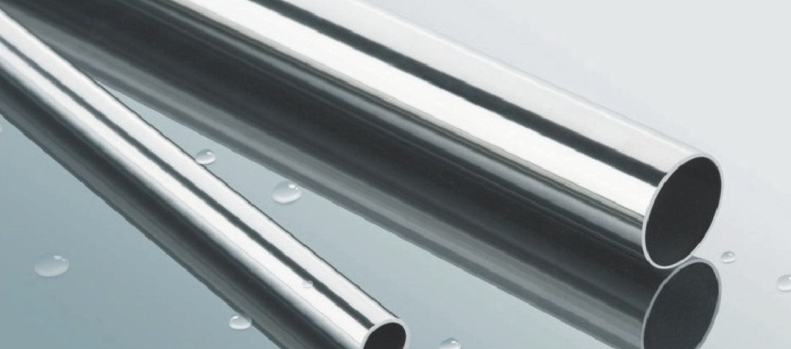
ERW Welded Pipe (Black Pipe and Hot-dip Galvanized Steel Pipe)
Handan Zhengda Steel Pipe Co., Ltd.