Chinese e-bike brand ADO launches first mass-produced millimeter-wave radar bicycle system
en.Wedoany.com Reported - On July 1, 2026, Chinese e-bike brand ADO unveiled the SENSE 3.0 intelligent cycling system at the "Vibrant China Research Tour" event in Guangdong. This system integrates sensors such as LiDAR, millimeter-wave radar, and multi-axis gyroscopes, enabling human-vehicle-environment fusion perception through AI algorithms in the controller. This marks the first mass-production application of millimeter-wave radar in the bicycle industry.
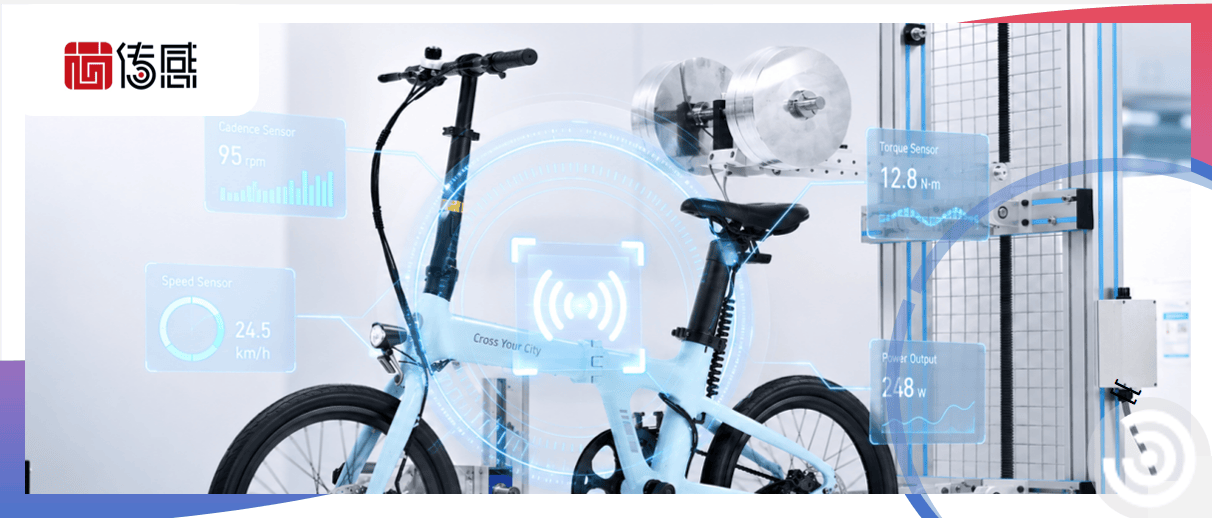
The core functions of SENSE 3.0 include: automatically and smoothly shifting gears after radar detects an uphill slope ahead, sensing vehicles approaching from behind and issuing warnings, detecting nearby pedestrians during startup and proactively issuing safety alerts, and automatically decelerating when a person approaches. The system also records user riding habits and automatically switches to preferred gears and assist modes upon startup, enabling personalized adaptation. Founded in 2021 and headquartered in Huizhou, ADO has sold products to 48 countries and regions worldwide, with cumulative shipments exceeding 200,000 units. In the high-end market segment priced above 200,000 yen in Japan, ADO holds a 60% market share; in the German folding e-bike category, it ranks first in the mid-to-high-end segment. New models equipped with SENSE 3.0 are scheduled for mass production and launch between August and September 2026.
The penetration of millimeter-wave radar into two-wheelers is not unique to ADO. In March 2026, cargo e-bike brand Tarran launched the L1 Series, also equipped with automotive-grade millimeter-wave radar for rear collision warnings. Niu Technologies has also made automotive-grade millimeter-wave radar standard in its AI-powered two-wheelers. According to a report by Zousi Automotive Research, the penetration rate of millimeter-wave radar in the two-wheeler sector is expected to exceed 18% in 2026. Declining costs are the key driver behind this technology's downward shift. According to Hu Yilin, founder of Niu Technologies, the price of millimeter-wave radar modules has dropped from 700-800 yuan six years ago to over 200 yuan during mass production, with core component costs falling by 60% over three years. The scaling effects of the automotive industry chain and breakthroughs in core components such as domestic MMIC chips have jointly accelerated the migration of technology from four-wheelers to two-wheelers.
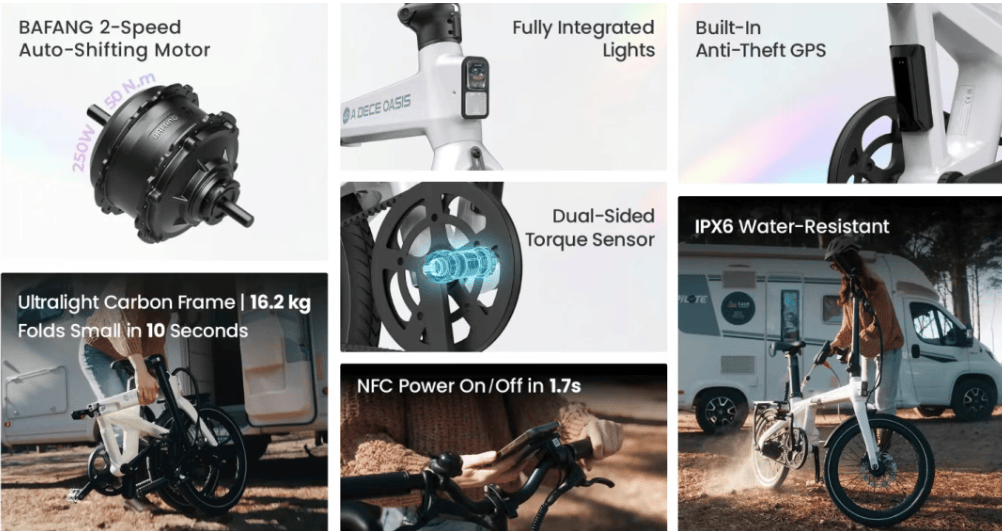
ADO's ability to achieve mass production of SENSE 3.0 first is attributed to the mature two-wheeler manufacturing base in China's Pearl River Delta region and the empowering effect of the new energy vehicle supply chain. The core millimeter-wave radar and LiDAR technologies primarily benefit from breakthroughs in CMOS millimeter-wave radar chips by domestic chip manufacturers such as Calterah and MicroDsp, achieving high integration and low power consumption. In terms of algorithms and control, ADO has adopted a strategy of "self-developed core algorithms + customized general-purpose hardware," with the multi-axis gyroscope and controller partly benefiting from the extreme cost control of the domestic smartphone and drone supply chains.
Currently, the "perception" functions of SENSE 3.0 are mainly limited to basic scenarios such as slope detection and rear vehicle warnings, still lagging behind automotive-grade capabilities like automatic obstacle avoidance and trajectory planning. The product has already received a large number of orders.
Related Products



Industrial and Commercial Point-Type Gas Detector
Jinan Benan Technology Development Co., Ltd.
High-Speed Flexible Fully Automatic Stamping Production Line
JIER Machine-Tool Group Co., Ltd.
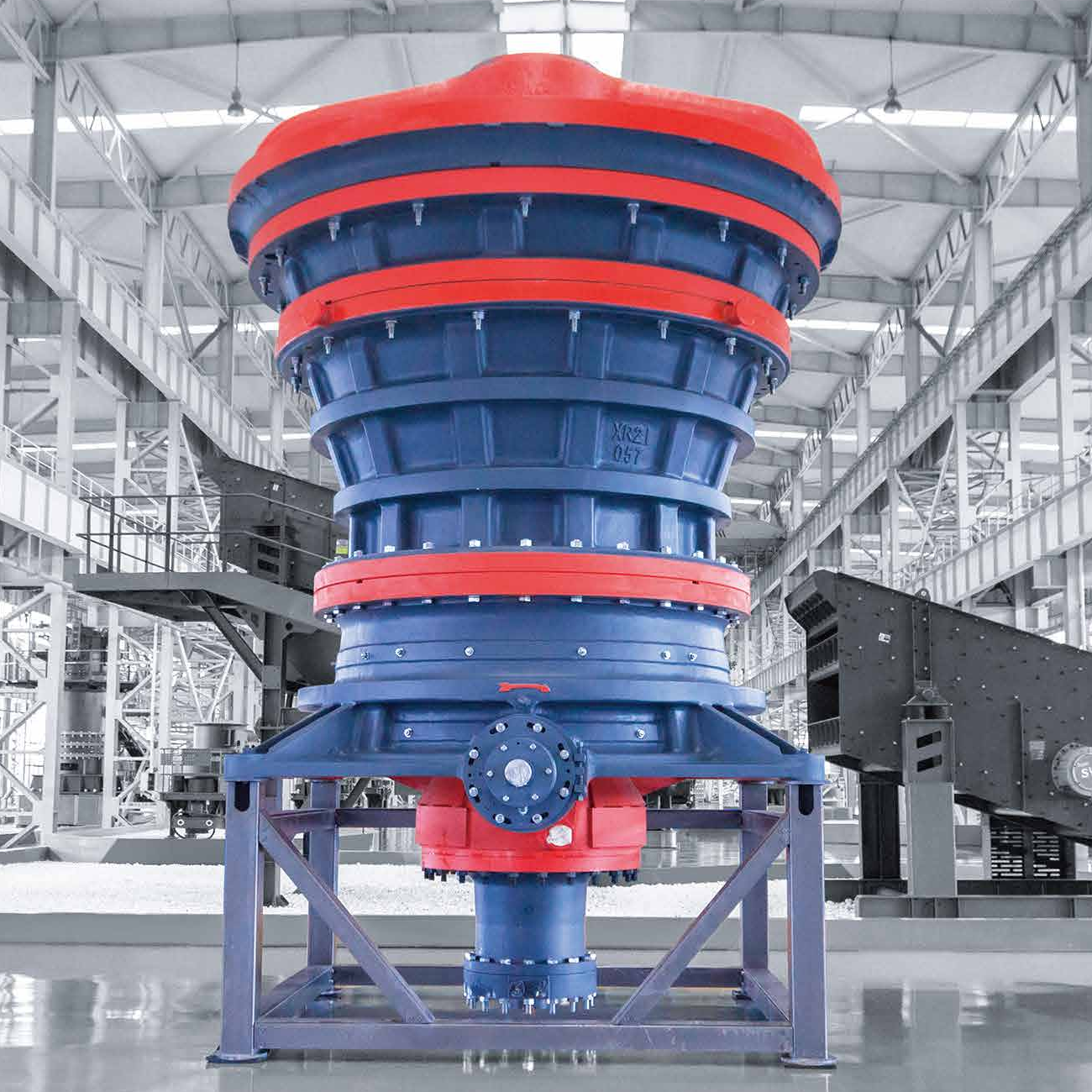
CLX Series Intelligent Hydraulic Gyratory Crusher
Guangdong CHUANGLI intelligent machinery Equipment Co., LTD