UK Space Forge Secures £22.6 Million Funding for Space Semiconductor Manufacturing
en.Wedoany.com Reported - Space Forge, a UK-based company, is dedicated to growing semiconductor crystals in orbital microgravity environments and plans to bring the first space-grown crystals back to Earth later in 2026. CEO Joshua Western stated that space manufacturing could enhance the purity of compound semiconductor crystals by three to five times, and chips made from these materials could reduce size, weight, and power consumption by up to 60% in final system applications.
The concept of growing crystals in space dates back to the Cold War era. On January 24, 1974, the Skylab IV mission electrochemically grew 1-gram and 5-gram silver crystals in orbit. Mission commander Col. Gerald Carr observed that these space crystals exhibited more perfect microcrystalline structures. A 1976 research report noted that differences in deposition behavior, convection, and buoyancy in microgravity led to more uniform crystal size and structure.
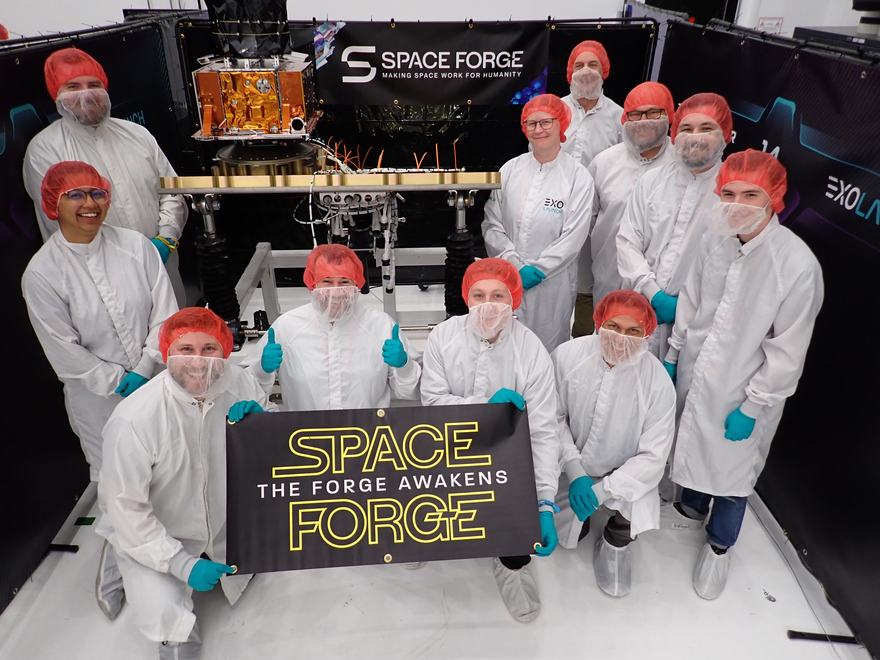
This historical research serves as the scientific basis for Space Forge. The company has secured £22.6 million ($30.5 million) in Series A funding, led by the NATO Innovation Fund, with participation from World Fund and the British Business Bank. This marks the largest Series A round in UK space technology to date. Its first manufacturing satellite, ForgeStar-1, was launched on June 23, 2025, and successfully generated plasma autonomously in orbit in December of the same year.
In terms of physical principles, crystals grown in microgravity have more uniform size and structure, resulting in "purer" crystals. When these space crystals return to Earth, they can serve as seeds to grow approximately ten generations of superior new terrestrial crystals. Western estimated at the UK In-Space Servicing, Assembly, and Manufacturing Conference (ISAM 2025) in Belfast that this could translate into "about 100 million chips per flight."
Space Forge has made it clear that its goal is not to compete with silicon CMOS in the AI hype cycle. Dr. Andrew Griffiths, Chief Chemical Vapor Deposition Engineer, explained that silicon CMOS processes are already highly mature, with the key being process scaling rather than crystal purity. "Where space manufacturing is truly disruptive is in compound and wide-bandgap semiconductors, where material purity still imposes a hard limit on performance. Space-grown crystals offer a step-change opportunity. Even minimal amounts of ultra-high-quality materials, such as diamond, can have a huge impact due to their unparalleled thermal properties."
A major bottleneck for in-orbit manufacturing is return capability. Dave Barnhart, CEO and co-founder of another in-orbit servicing company, Arkisys Inc., noted that current downmass capacity is limited to a few kilograms, with challenges in safe reentry, landing, and cost. Space Forge uses a novel heat shield called Pridwen, which dissipates heat through radiation rather than standard ablation techniques, and has passed microgravity tests during parabolic flights.
On December 31, 2025, Space Forge reported that the ForgeStar satellite had successfully generated plasma autonomously in orbit using a microwave plasma-enhanced chemical vapor deposition (CVD) system. The system operated autonomously via an onboard computer, precisely controlling microwave power, gas flow, chamber pressure, timing, and exhaust. Dr. Griffiths stated that this demonstrated "a complete miniature space factory, powered by solar panels and batteries, capable of autonomously generating semiconductor-grade controlled microwave plasma in orbit without human intervention."
Space Forge expects to bring space crystals back to Earth later in 2026, releasing the Pridwen return capsule after completing the eighth objective of the ForgeStar mission, but has not committed to providing a working semiconductor prototype in 2026. The company's long-term vision is to build dedicated orbital factories capable of receiving raw materials and producing finished wafers, eliminating human interference factors in industrial processes.
Arkisys is also advancing its "Ports" initiative—unmanned service depots for different orbits or planets. The company expects to deploy a full space station by 2030, equipped with three to five port modules, supporting a 90-day operational cadence. Barnhart believes that the key to large-scale space industry lies in the maturity of logistics infrastructure.
As a recipient of NATO Innovation Fund support, Space Forge is considered a developer of dual-use technologies. Dr. Ed Smith, Head of Materials Research, stated: "The support and endorsement from the NATO Innovation Fund for Space Forge underscores the criticality and necessity of what we are building." The company is currently focused on building space material manufacturing capabilities and remains open to either developing into an independent company or becoming part of a larger commercial ecosystem through acquisition.
Related Products


Industrial and Commercial Point-Type Gas Detector
Jinan Benan Technology Development Co., Ltd.

Pneumatic high-pressure wear-resistant ball valve
Zhejiang Deca Control Valve Meter Co., Ltd.

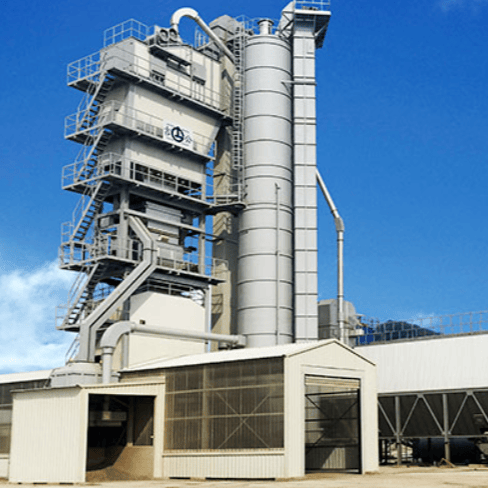
LBH4000 Batch Environmental Protection Asphalt Mixing Plant | Asphalt Batching Plant | Asphalt Mixing Plant
Jilin Province Road Construction Machinery Co., Ltd.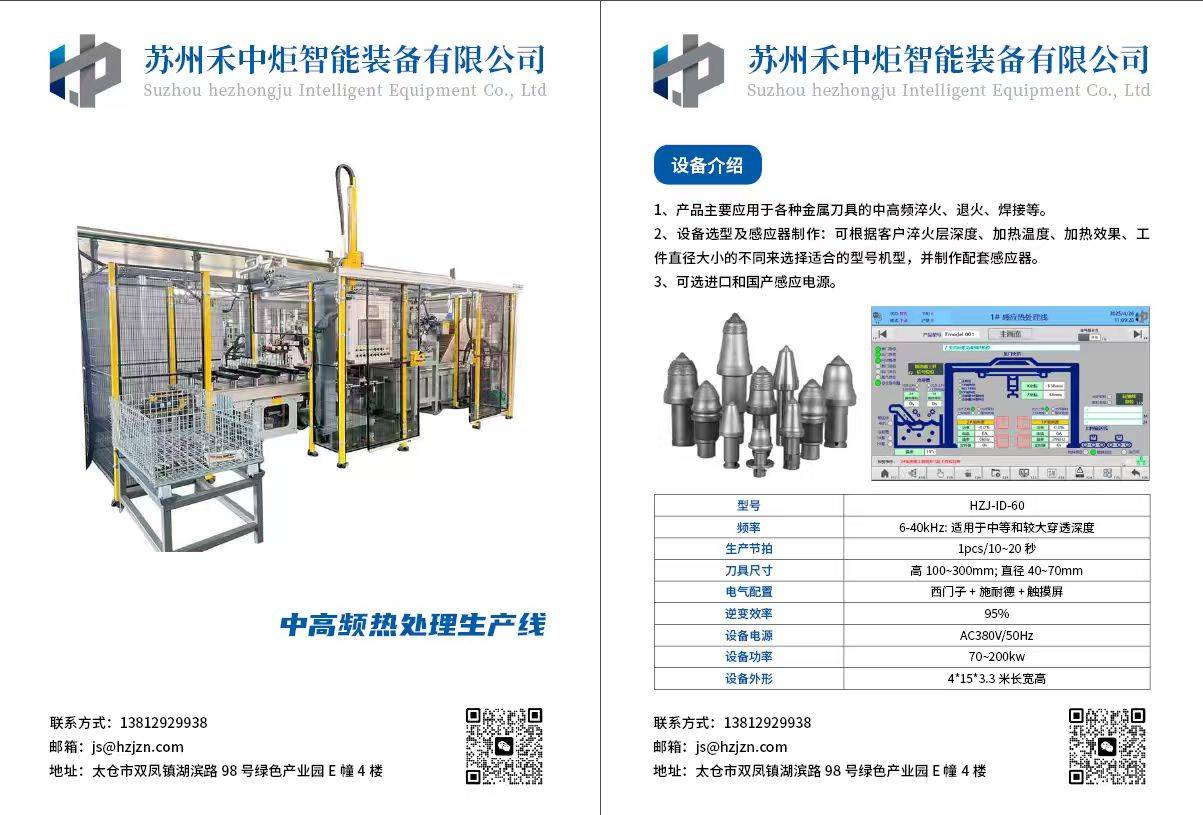
Excavator Bucket Teeth Heat Treatment Production Line
Suzhou Hezhongju Intelligent Equipment Co., Ltd.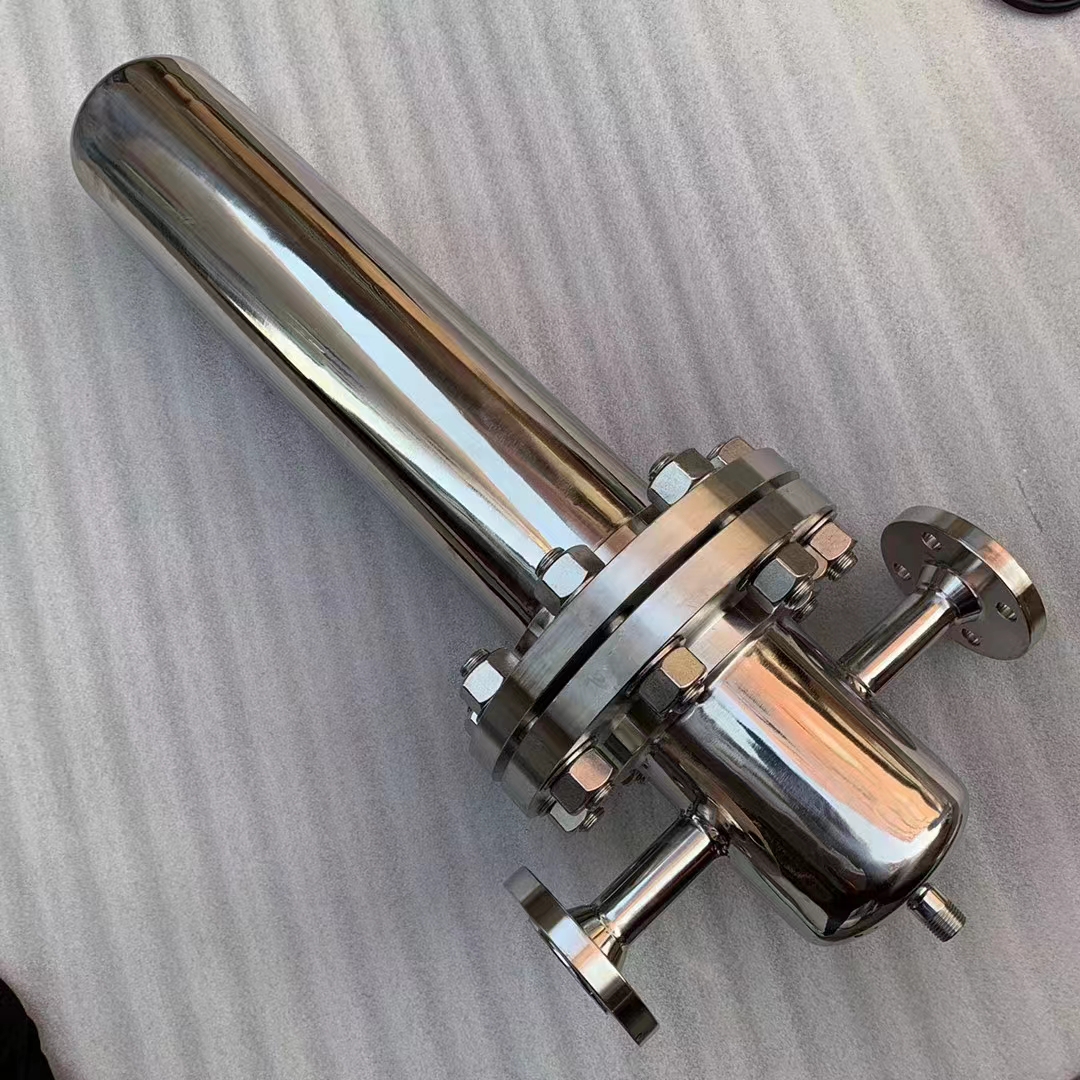
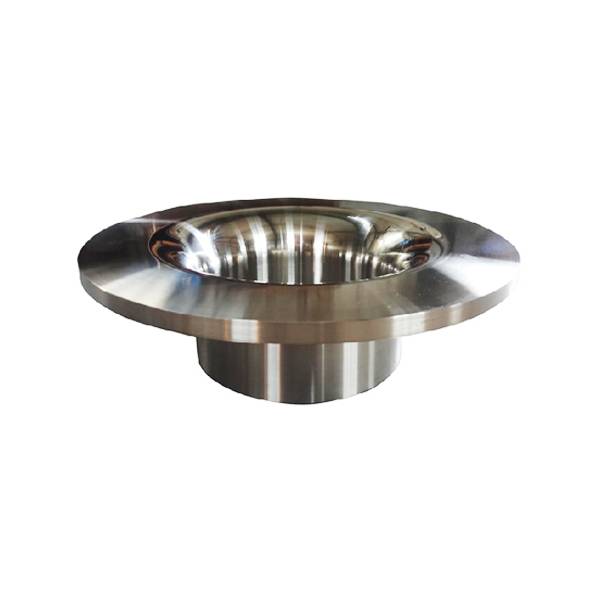
Standard Nozzle Flowmeter
Jinggong Automatic Control Instrument Complete Technology Development Company