High Nitrogen Content in U.S. Natural Gas Drives Demand for Cryogenic Distillation Nitrogen Removal
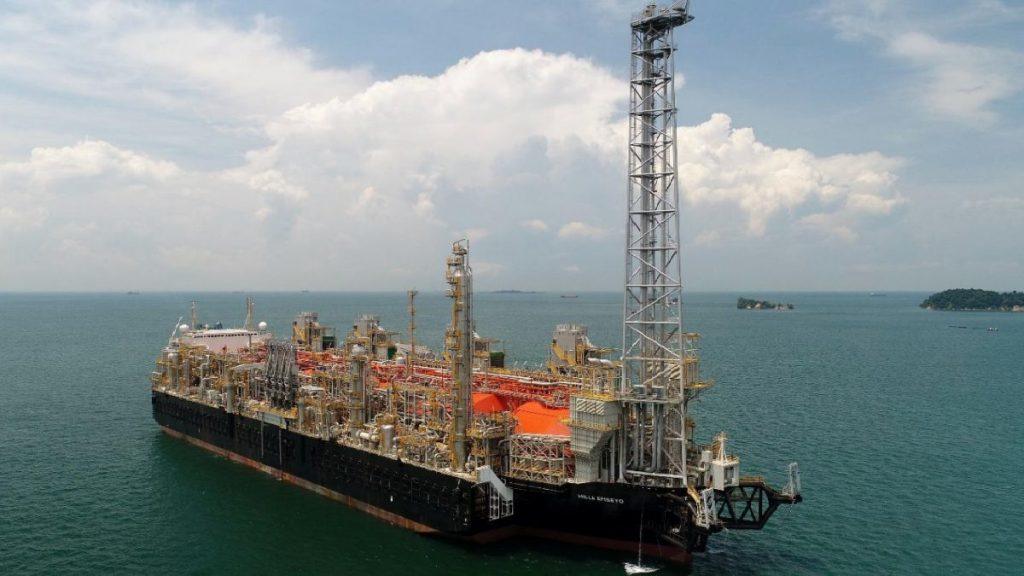
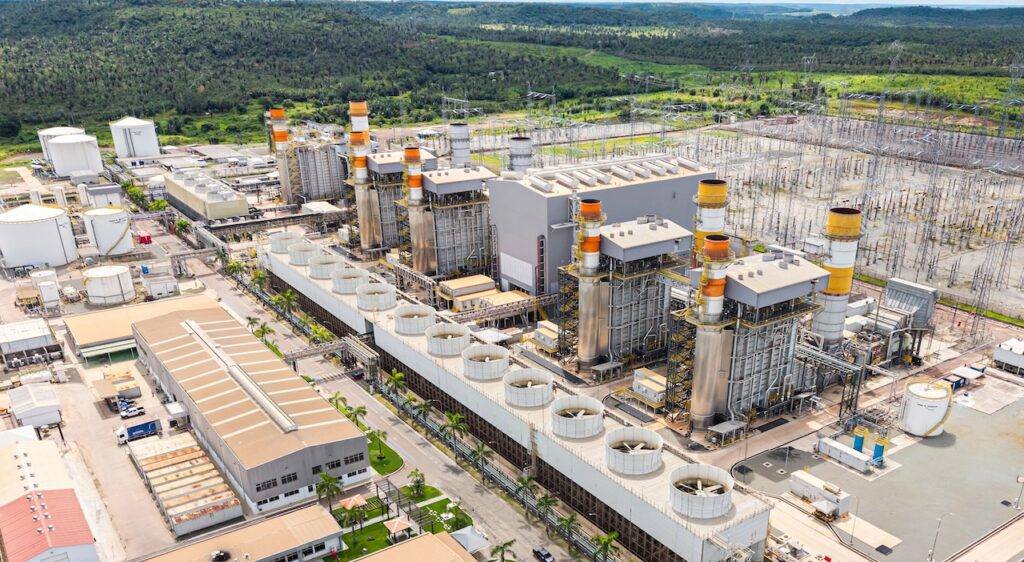
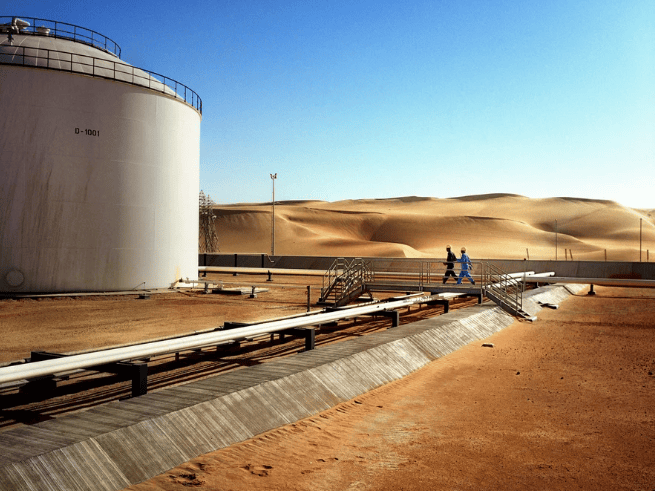
en.Wedoany.com Reported - High nitrogen content in natural gas is emerging as a critical issue affecting gas processing and trading across multiple U.S. production regions, particularly the Permian Basin. Nitrogen is a naturally occurring component in many gas reservoirs. While small amounts can be transported via pipelines, high concentrations fail to meet export specifications. As natural gas production expands and diversifies, the industry faces an increasing number of low-quality gas streams that require specialized treatment before meeting pipeline or liquefied natural gas (LNG) standards.
The rapid growth of LNG exports has further amplified the need for nitrogen removal. LNG facilities impose extremely stringent gas quality specifications. Even moderate nitrogen concentrations can reduce liquefaction efficiency, occupy capacity, and complicate boil-off gas management. Nitrogen levels that were once tolerable in the domestic market have now become a constraint in the global natural gas supply chain. Among existing nitrogen removal technologies, cryogenic distillation has become the primary solution for processing large volumes of high-nitrogen gas.
As an inert gas that does not contribute to heating value, nitrogen presents a series of technical and economic challenges. Most pipeline systems limit nitrogen content to approximately 3-4%, while LNG specifications typically require nitrogen concentrations below about 1%. Gas exceeding these limits must be treated before sale or transport. High nitrogen content can lead to reduced recovery of valuable hydrocarbons, increased methane losses during processing, and higher flaring and venting, while also driving up processing costs and capital expenditures. In LNG production, nitrogen reduces liquefaction efficiency, occupies liquefaction train capacity, and complicates storage and boil-off gas management. Low nitrogen concentrations (below 1% molar) are required to prevent "rollover" events in LNG storage tanks. Rollover is caused by differences in volatility and density between nitrogen and methane, leading to rapid mixing when density differences between layers diminish, resulting in vapor generation and pressure surges. As LNG demand continues to grow, nitrogen removal is becoming increasingly critical for maintaining throughput, product quality, and safe operations.
Related Products
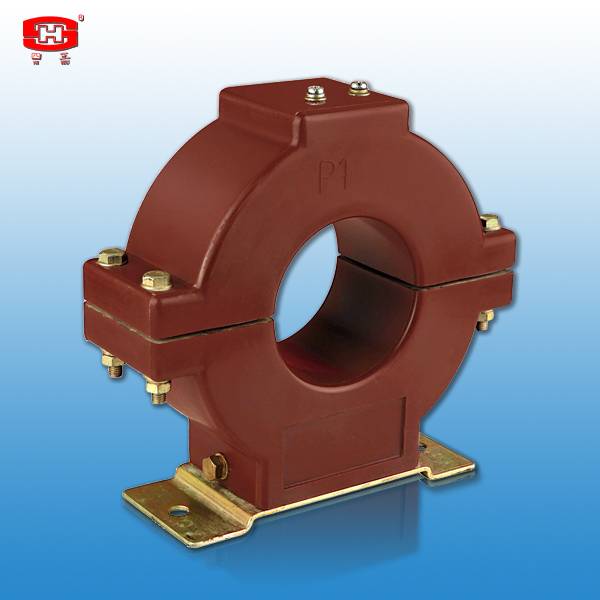

0.66kV Power Supply Instrument Transformer
Guangdong Sihui Instrument Transformer Works Co., Ltd.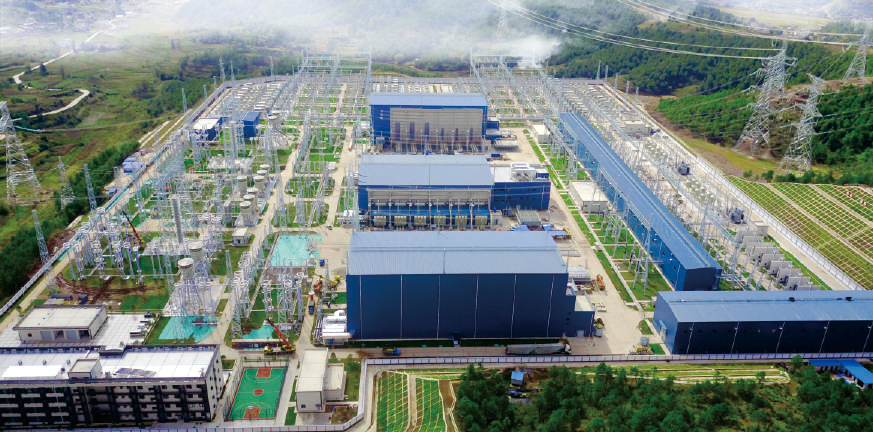
High-voltage Direct Current (HVDC) Transmission System Research and Integrated Design
XI'AN XD POWER SYSTEMS CO., LTD.
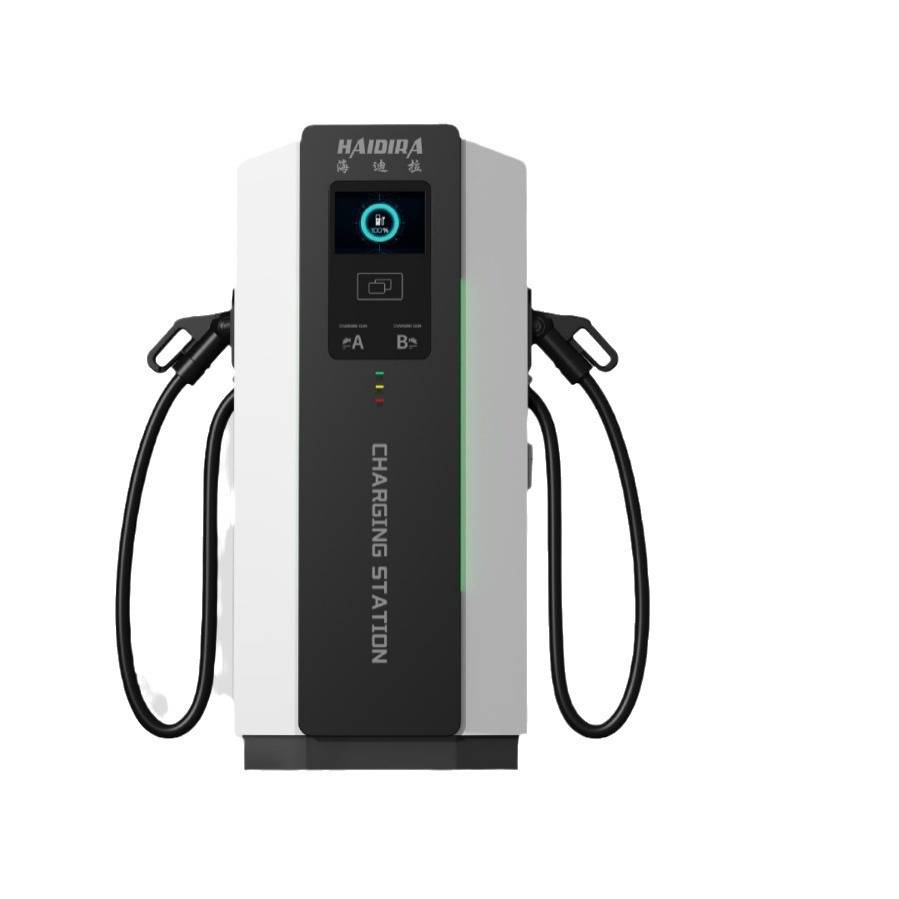
Manufacturer Direct Sales Tesla New Energy Electric Vehicle Universal DC 180kW Dual-gun Charging Pile Commercial Fast Charger
Anhui Haidira Electric Technology Co., Ltd.
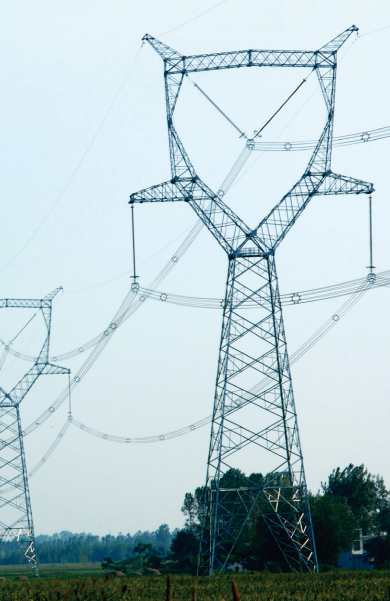
1000kV Jin Southeast-Nanyang-Jingmen UHV AC Transmission and Transformation Pilot Demonstration Project
Anhui Hongyuan Steel Tower Co., Ltd.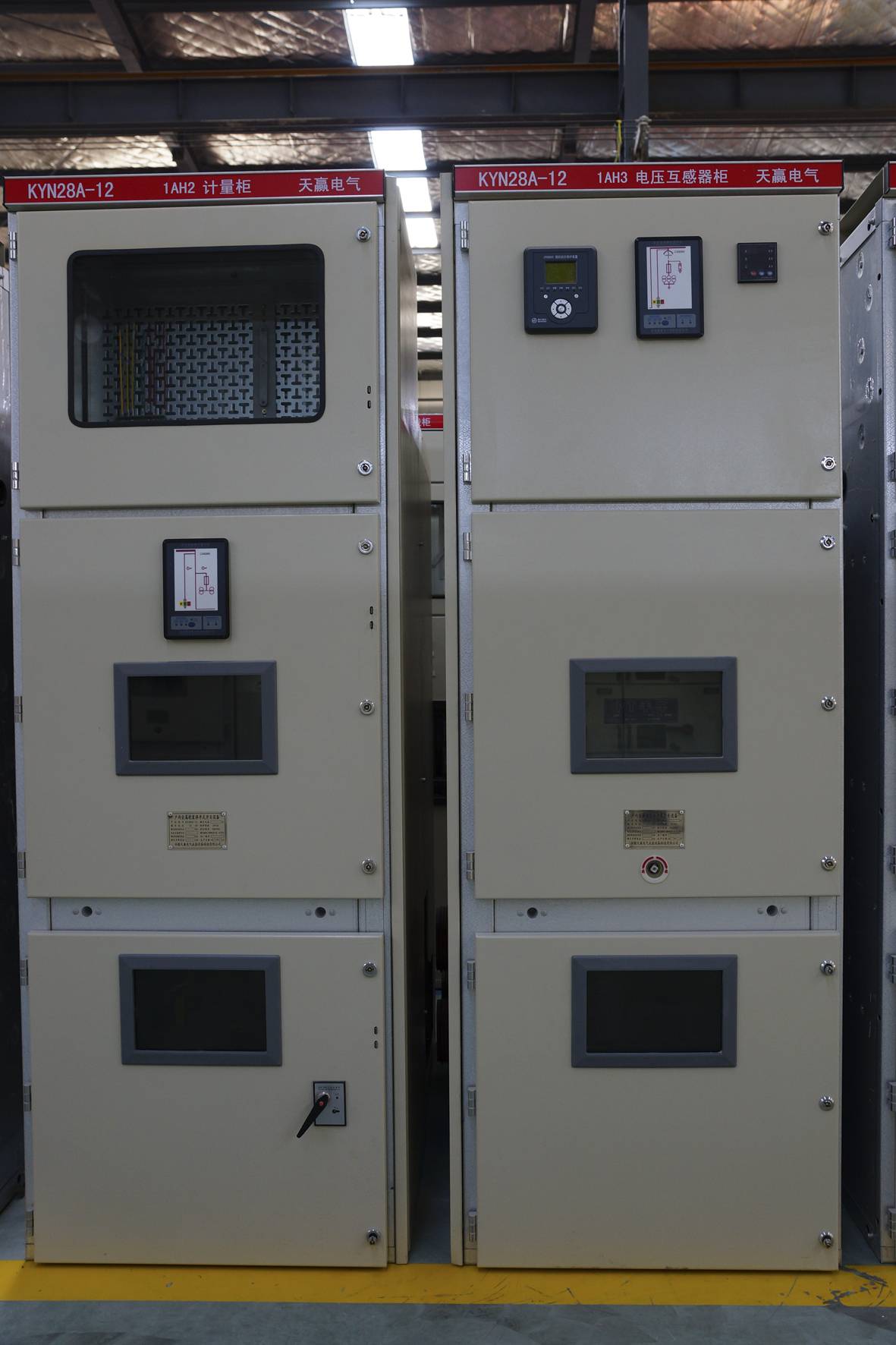
KYN28 - High Voltage Switchgear
Anhui Tianying Electrical Equipment Manufacturing Co., Ltd.
Industrial and Commercial Point-Type Gas Detector
Jinan Benan Technology Development Co., Ltd.
GW4-40.5/72.5/126/145/170/252/363/420 Series Double-column Horizontal Rotary High-voltage AC Disconnect Switch
SHANDONG TAIKAI DISCONNECTORS CO., LTD.
Electromagnetic Fluid Seawater Floating Oil Separation and Recover Equipment
Huate Magnet Group Co., Ltd.