EDF-led Consortium Plans 2GW Pumped Storage Project in Oman
en.Wedoany.com Reported - A consortium comprising EDF Power Solutions, ONEIC-Takhzeen, and Green Universe Enterprise plans to build a 2-gigawatt (GW) pumped storage project in Oman. The project intends to utilize the total head of approximately 940 meters between the existing Wadi Dayqah Dam reservoir and the adjacent Jabal Abyadh plateau. Once completed, it is expected to become the largest energy storage facility in the Middle East and one of the most strategically significant renewable energy infrastructure investments in the region.

The project plans to construct a new upper reservoir at the summit of Jabal Abyadh, forming part of a closed-loop pumped storage system. This reservoir, with an effective water volume of approximately 8 million cubic meters (8 hm³), will be located at an elevation of about 1,130 meters. Interacting with the Wadi Dayqah reservoir below, it will create a total head of approximately 940 meters, making this one of the highest-head pumped storage projects globally. The head height determines the energy that can be stored and recovered per unit of water; high-head systems achieve large-scale electricity storage with relatively small water volumes. Consequently, the project is designed with an installed capacity of 2 GW and an energy storage capacity of approximately 17.9 gigawatt-hours (GWh), enabling continuous power generation at full load for up to 9 hours.
The project's operation is based on shifting surplus renewable energy from daytime to nighttime use. During periods of excess solar photovoltaic generation (typically midday), electricity will be used to pump water from the Wadi Dayqah reservoir through underground tunnels to the Jabal Abyadh upper reservoir. During evening peak demand or when renewable generation declines, the stored water is released downhill through reversible pump-turbines to generate electricity rapidly.
A key feature of the project is its reliance on existing national infrastructure. The lower reservoir is formed by the Wadi Dayqah Dam, which has a total storage capacity of approximately 100 million cubic meters and was originally built for flood control and groundwater recharge. Utilizing the existing reservoir reduces civil engineering requirements, environmental disruption, and capital expenditure. The power station will be housed in large underground caverns excavated within the mountain, accommodating multiple reversible pump-turbines, transformers, and related electromechanical systems. This minimizes the surface footprint while enhancing environmental integration and operational protection.
Dr. Yves-Laurent Beck, Senior Business Developer for Hydropower Projects at EDF Power Solutions Middle East, noted that the project will employ variable-speed pump-turbines. This technology offers a wider operating range compared to conventional fixed-speed units, improving response capability to grid fluctuations. It is particularly suitable for systems with a high share of solar power, helping to more smoothly integrate intermittent generation and enhance grid stability. He also analyzed that approximately 70% of the project's total expenditure will remain within Oman, covering dam engineering, tunnel excavation, and underground construction, generating substantial domestic employment opportunities and local contractor participation. The project's operational lifespan could reach 100 years, with relatively low long-term maintenance requirements and lower lifecycle operating costs compared to gas-fired peaking plants. Upon completion, the project is expected to be the largest pumped storage facility in the Middle East, playing a key role in driving Oman's transition towards a more flexible, low-carbon power system.
Related Products


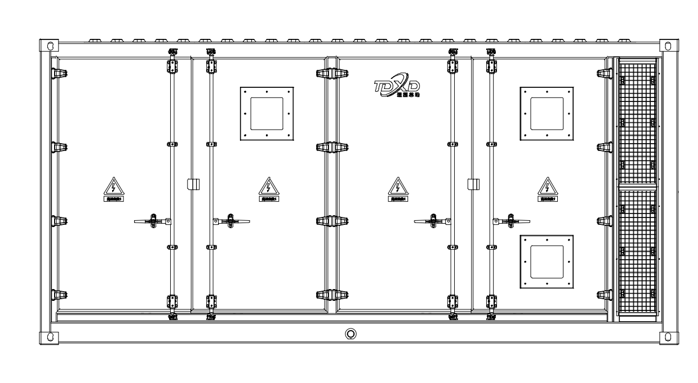
5012kWh DC Energy Storage System TD-EES-5012kWh
Suzhou Tongding Xindong Energy Storage Technology Co., Ltd.
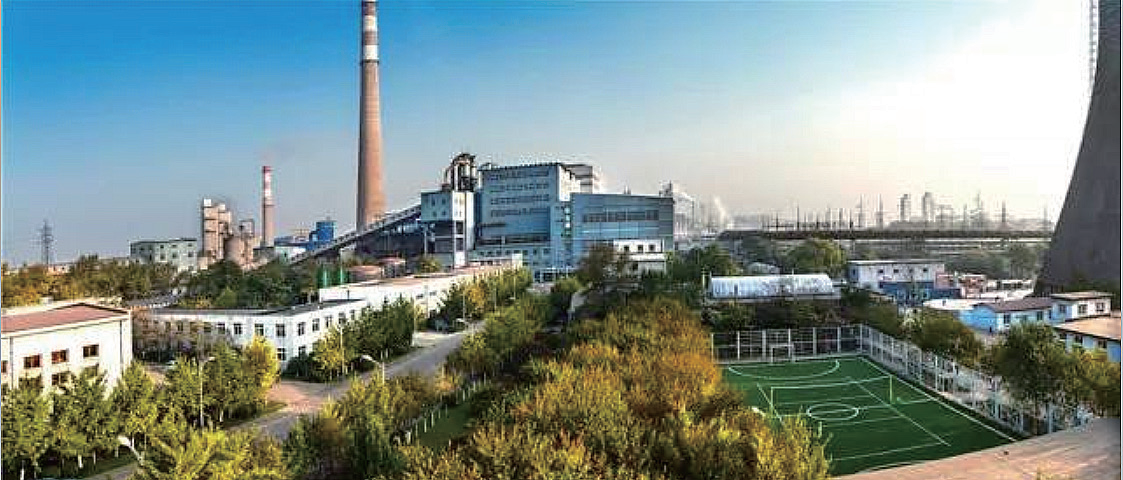
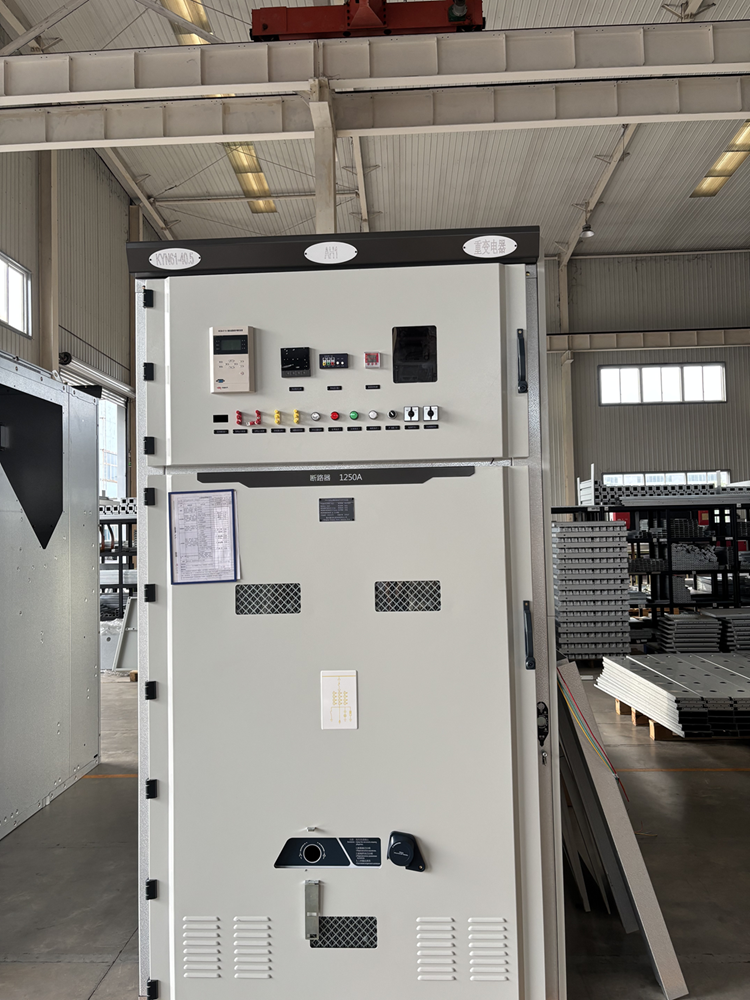
KYN61-40.5 Indoor AC Metal-clad Removable Switchgear
Chongqing Transformer Co., Ltd.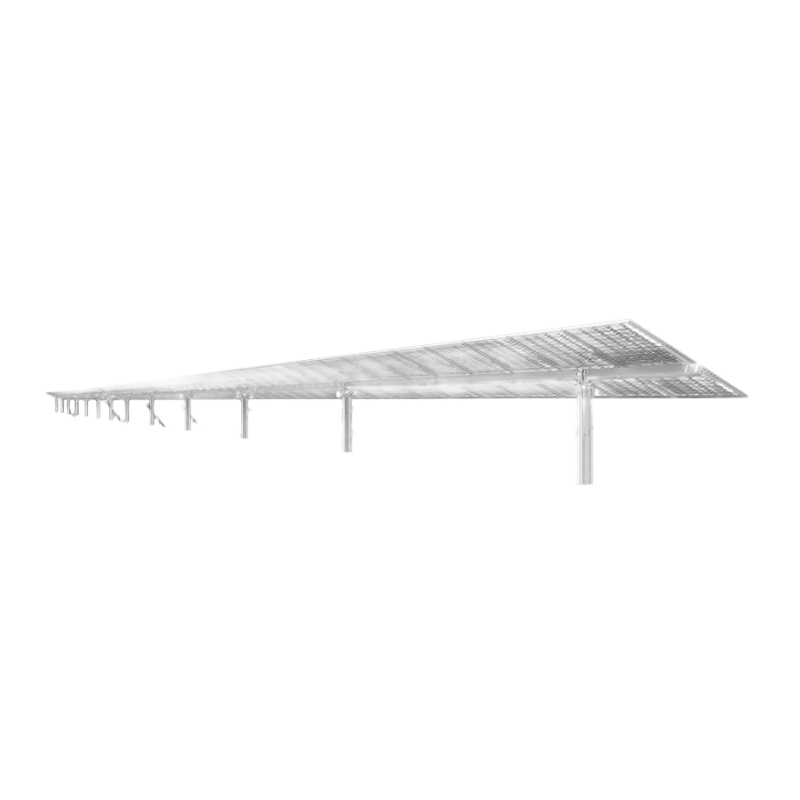
TAI Slew-drive Single-axis Independent 1P Tracking Bracket System
ANTAI TECHNOLOGY CO., LTD.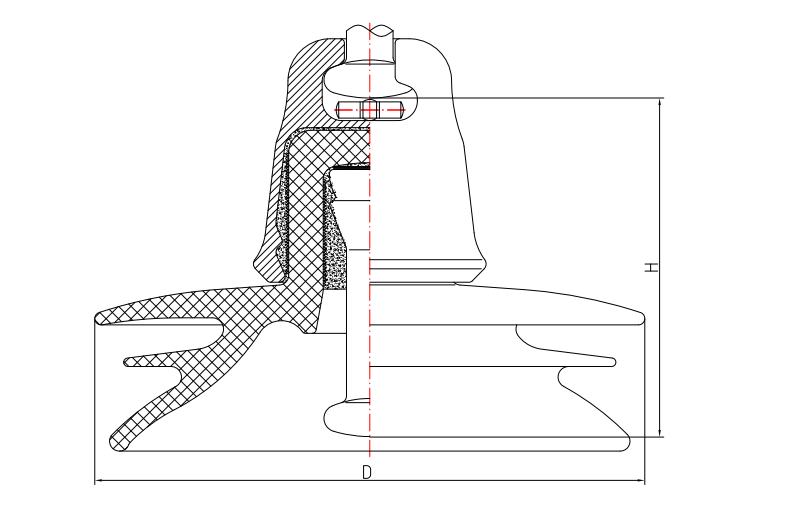
Post-type AC Pollution-resistant Disc Suspension Porcelain Insulator (Triple Umbrella Type)
Shandong High Voltage Insulator Co., Ltd.
Standard Nozzle Flowmeter
Jinggong Automatic Control Instrument Complete Technology Development Company