Reactive Power Compensation Is Becoming a Core Capability for Grid Stability
en.Wedoany.com Reported - As renewable energy integration, industrial load growth, data center expansion and urban distribution upgrades accelerate, Reactive Power Compensation is becoming a fundamental capability for modern power systems. It is no longer viewed only as a way to improve power factor or avoid utility penalties. It is increasingly linked to voltage stability, loss reduction, transformer capacity release and power quality improvement.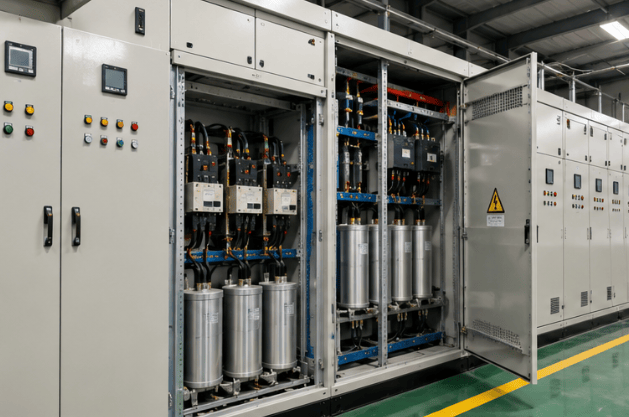
Electric power systems need active power to perform useful work, but they also need reactive power to maintain electromagnetic fields and voltage levels. Motors, transformers, reactors, welding equipment, induction furnaces, compressors and large pumping systems all consume reactive power. If this demand is supplied mainly from distant grid resources, line current increases, voltage fluctuation becomes more serious and the usable capacity of transformers and cables may be reduced.
Local reactive power support is therefore often more economical than simply expanding supply capacity. By compensating reactive power closer to the load, utilities and industrial users can reduce unnecessary current flow, improve voltage profiles and make better use of existing electrical infrastructure.
Common equipment includes shunt capacitor banks, series compensation devices, static var compensators, static synchronous compensators, dynamic var generators and integrated active filtering systems. These technologies serve different operating conditions. For ordinary factories with relatively stable loads, automatically switched capacitor banks may meet basic power factor requirements. For steel rolling mills, mining hoists, port shore power systems, rail transit facilities and electric arc furnaces, dynamic compensation and harmonic mitigation are more important.
The technical focus is shifting from how much reactive power should be compensated to how fast, stable and intelligent the compensation system can be. Conventional capacitor systems have cost advantages, but they can be affected by harmonics, switching transients, overcompensation and aging. Dynamic compensation systems respond faster and adapt better to changing loads, but they require stronger power electronics, control algorithms, thermal design and maintenance capability.
In the future, reactive power compensation will become part of grid flexibility and reliability construction. Suppliers with capabilities in dynamic response, harmonic control, remote monitoring, intelligent control and system integration will gain more opportunities in grid upgrading and industrial power quality projects.
Related Products

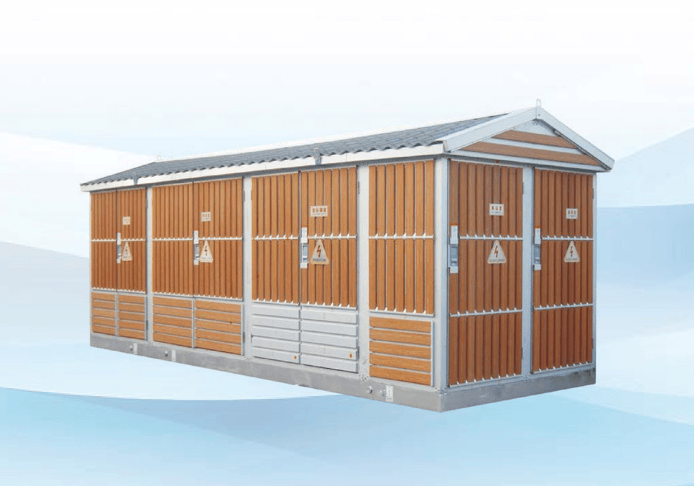
YB □ -12/0.4/1250 Outdoor Prefabricated Substation (European Style)
Shangrao Shangyu Intelligent Electric Co., Ltd.
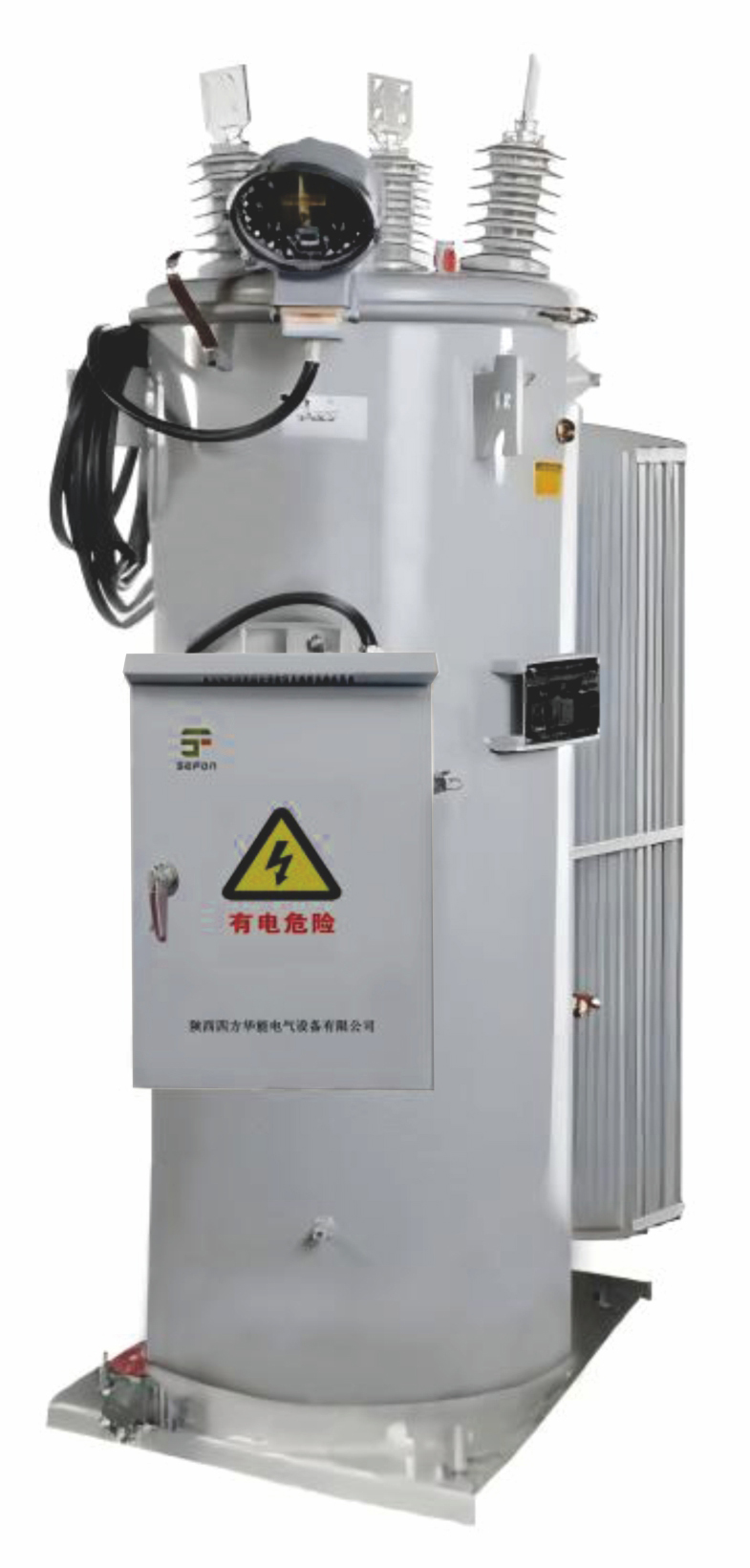
Single-Phase Automatic Voltage Regulator(AVR)
Shaanxi Sefon Electrical Equipment Co.,Ltd.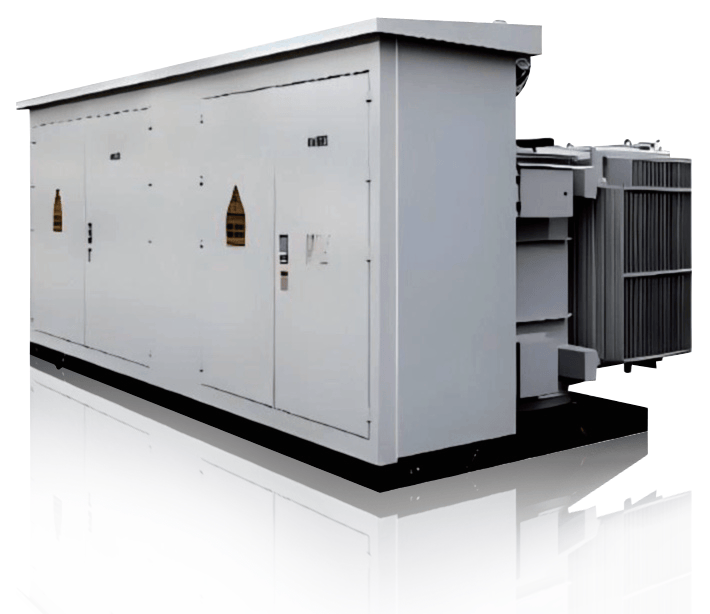
H-40.5/0.4~1.14kV New Energy Power Generation Dedicated High Voltage/Low Voltage Prefabricated Substation
XJ (Xiamen) Intelligent Power Equipment Co., Ltd.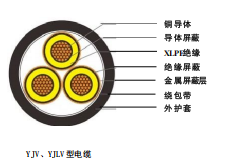
Rated Voltage 6-35kV Cross-linked Polyethylene Insulated Power Cable
TONGDING INTERCONNECTION INFORMATION CO., LTD.
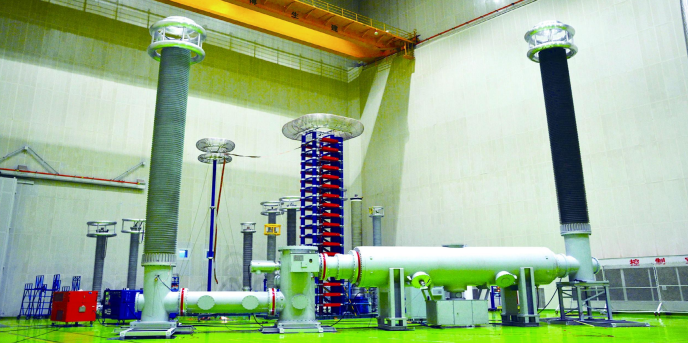
ZF16-1100(L)/Y8000-63 Sulfur Hexafluoride Gas Insulated Metal Enclosed Switchgear
Shandong Taikai High Voltage Switchgear Co., Ltd.