en.Wedoany.com Reported - A feasibility study for the Strait of Gibraltar Tunnel connecting Spain, Gibraltar, and Morocco indicates that its exploratory tunnel is ready for construction. Professor Georgios Anagnostou of the Institute for Geotechnical Engineering at ETH Zurich and Martin Herrenknecht, founder of Herrenknecht AG, stated that after approximately 150 years of discussion, the relevant technology and scientific conclusions have matured enough to support construction.
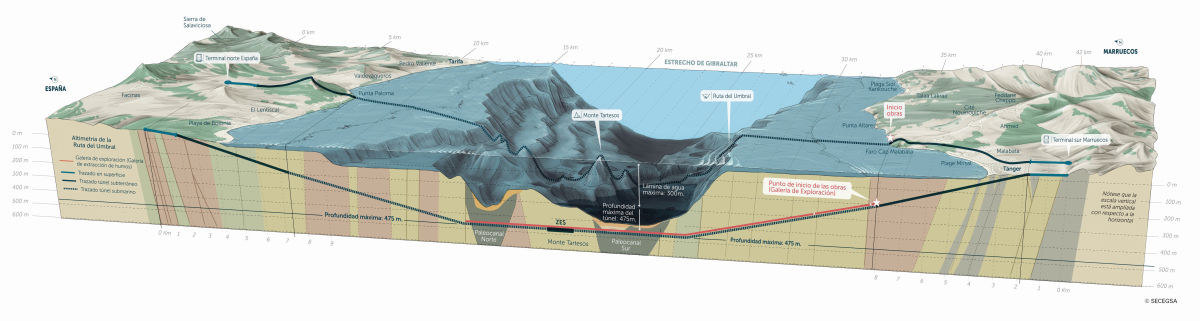
The concept of the tunnel dates back to the mid-19th century, during the era of the Suez Canal and Alpine tunnel construction, aiming to establish a link between Europe and Africa. It was revived in the 1980s and 1990s, drawing on engineering experience from the Channel Tunnel and Japan's Seikan Tunnel. Early studies assumed the strait section consisted entirely of flysch formations; however, offshore drilling discovered breccia in the central part of the sea area, with permeability about 100 times lower than initially assumed, making drainage-based ground reinforcement practically unfeasible.
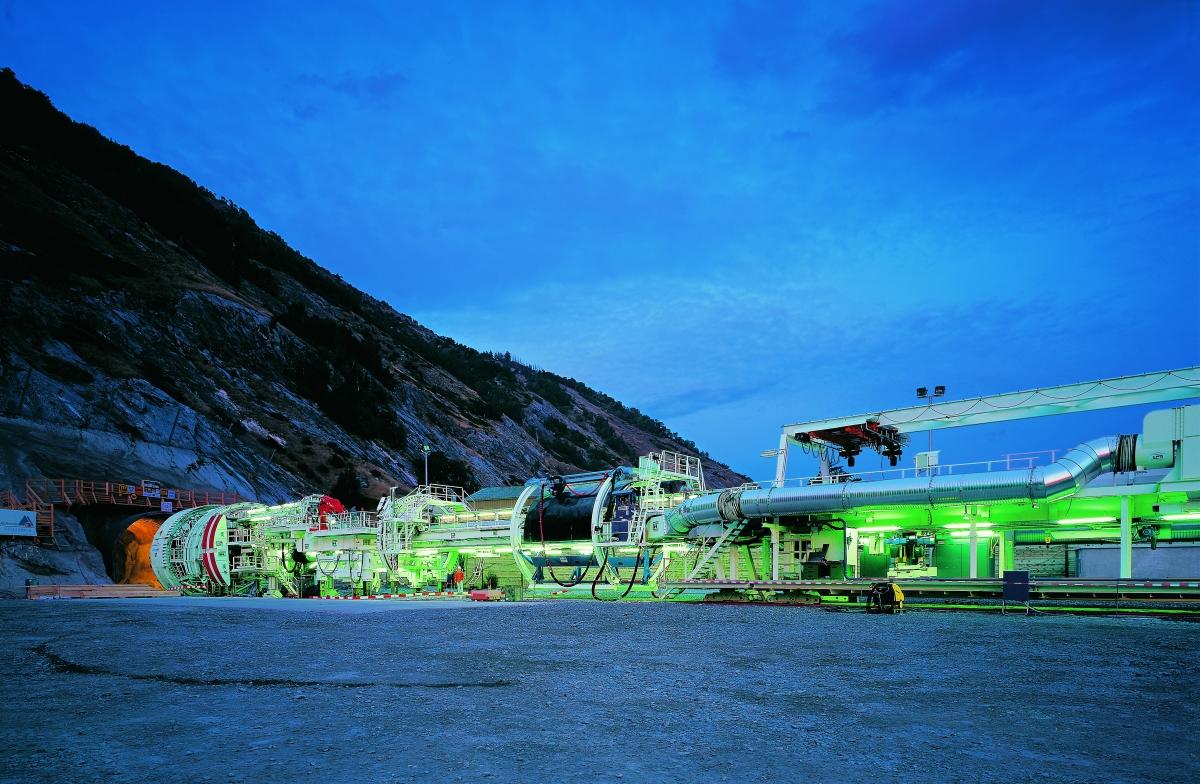
In collaboration with Herrenknecht AG, ETH Zurich reassessed the project's feasibility based on the continuous development of Multi-mode Tunnel Boring Machines (Multi-mode TBMs). Laboratory studies indicate that very large axial deformations are expected in the breccia, potentially increasing additional excavation by 30% to 40%. However, under a support pressure of 20 bar, the additional excavation is significantly reduced, and face stability is correspondingly improved.
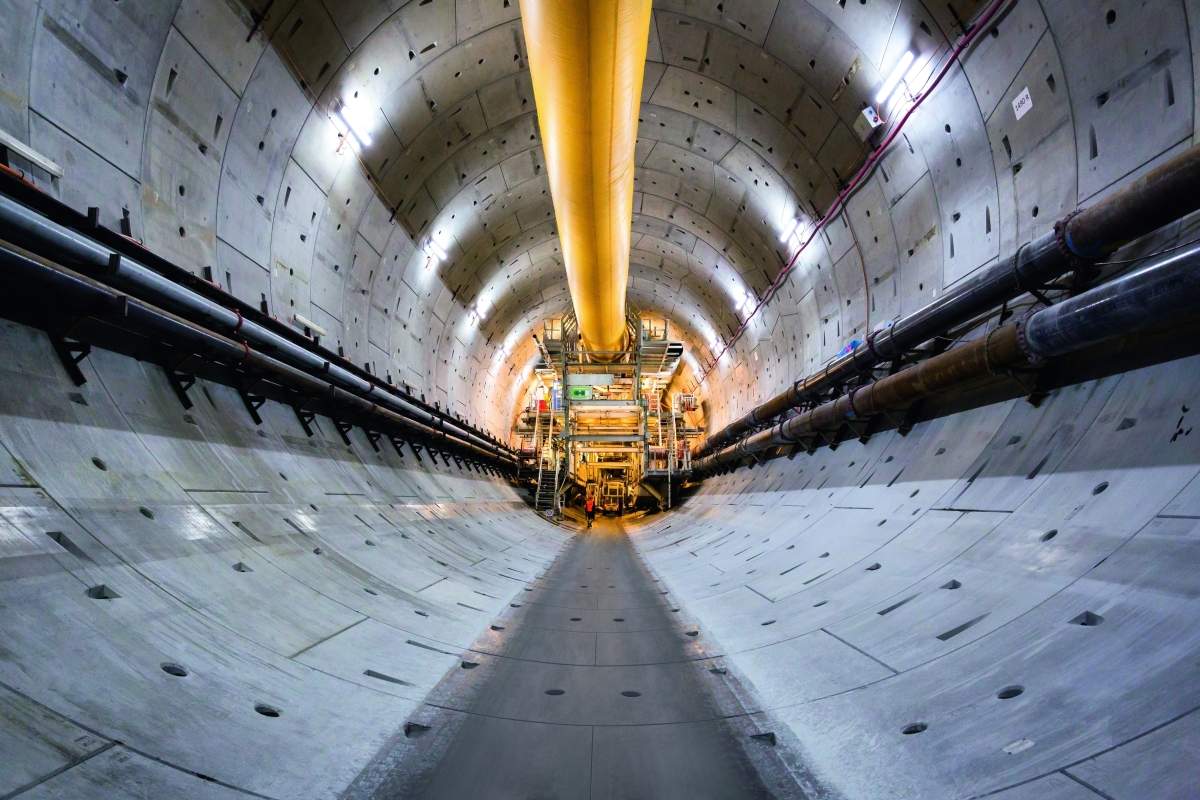
Martin Herrenknecht noted that Sweden's Hallandsås Tunnel and the United States' Lake Mead Tunnel provide key experience for the Gibraltar project. The Hallandsås Tunnel overcame extreme conditions of 13 bar water pressure using a convertible multi-mode TBM; the Lake Mead Tunnel required the machine to operate under 17 bar water pressure, with actual slurry pressure reaching 15 bar. These projects demonstrate that even at pressures up to 20 bar, the Gibraltar project does not require a fundamental technological leap.
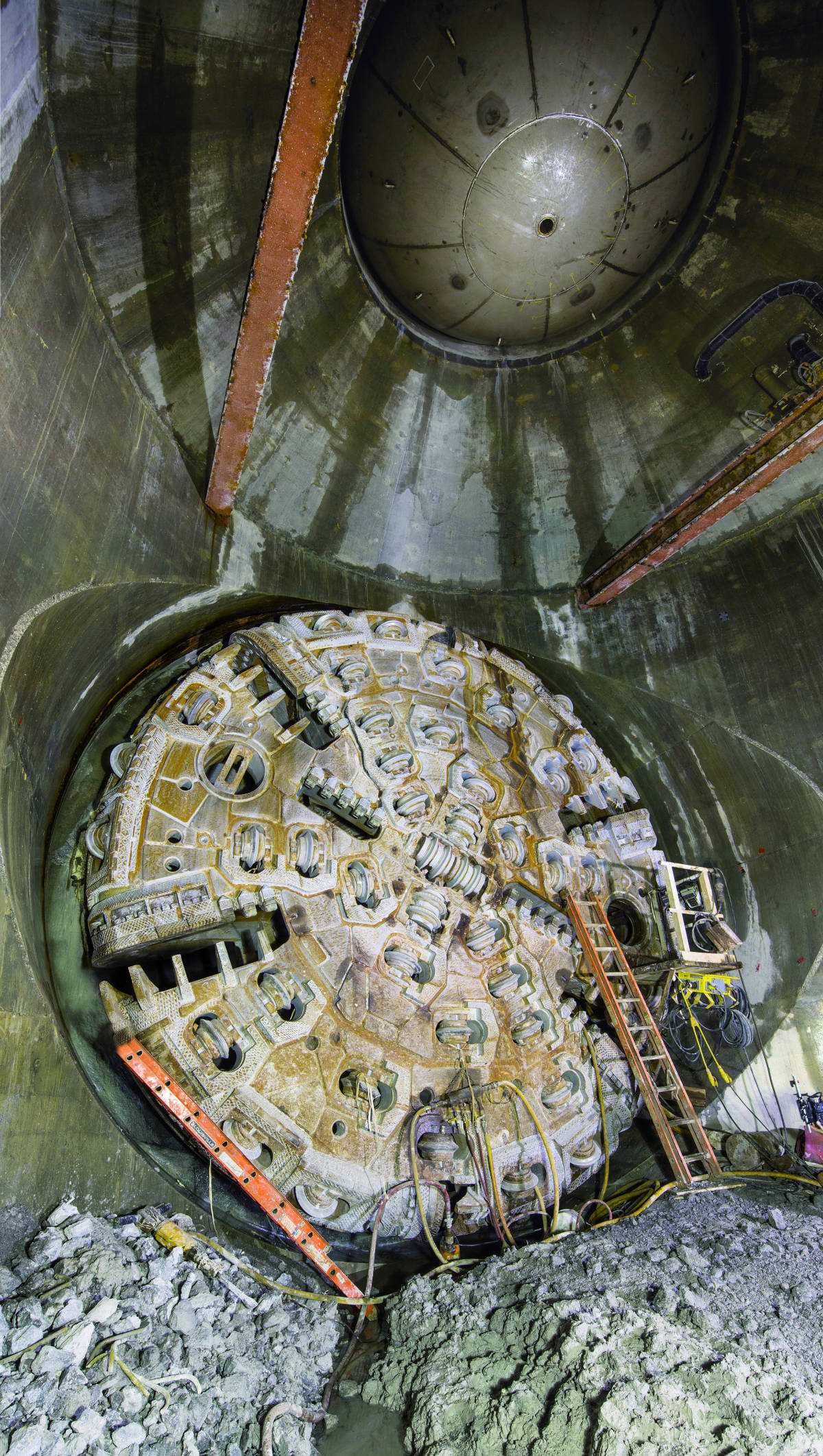
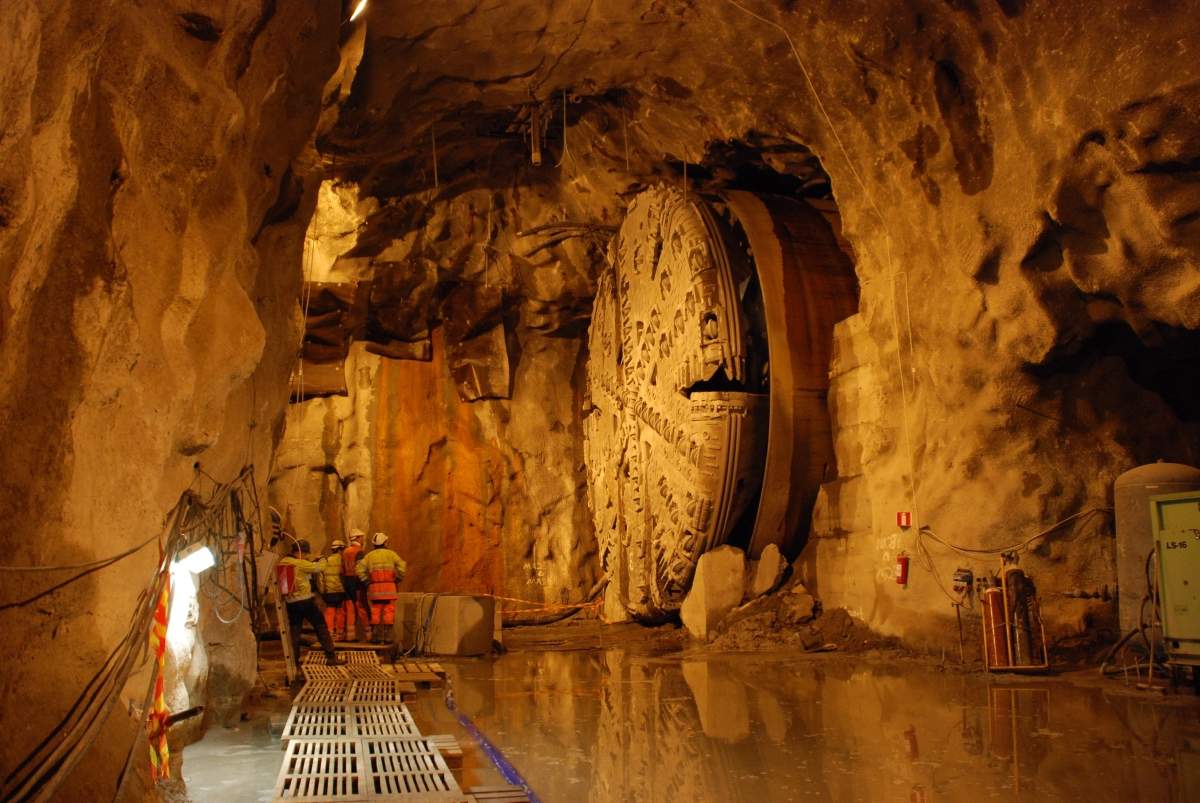
Regarding the specific plan for the Gibraltar Tunnel, Professor Anagnostou stated that the shield design is intended to withstand expected ground pressures, with the machine equipped with a thrust slightly exceeding 300 meganewtons to prevent the shield from getting stuck. The contact between the shield and the ground, as well as the resulting ground pressure, can be estimated more reliably, eliminating the need for the earlier approach of 40 cm oversized over-excavation and drainage-based ground improvement.
When discussing economic feasibility, the two experts believe that the fixed link could bring significant strategic benefits to Europe and Africa, particularly for intercontinental energy networks. The current pressures on trade and transport routes give the Gibraltar Tunnel deeper economic and strategic value.